In brief
Gloria Steinem forged her path from an itinerant childhood in Ohio to becoming the face of second‑wave feminism. Her daring exposé of Playboy and founding of Ms. magazine gave a new platform to women’s stories. A relentless advocate for abortion rights, gender equality and political inclusion, she faced backlash and harassment yet grew her influence. Today she is honoured for her legacy of amplifying women’s voices and changing cultural language.
Gloria Steinem rose from a nomadic childhood in Ohio to become the face of a movement that challenged every industry from journalism to politics. Her career spans undercover journalism, magazine publishing, public oratory and policy advocacy, each phase shattering gendered limits of her era.
Born March 25 1934, she spent early adolescence in a travelling caravan, his father leaving and her mother battling mental illness. Steinem began schooling at 12 and later travelled to India on a scholarship, where she learned grassroots organising and the power of collective action.
In 1963 she infiltrated a Playboy Bunny unit, living as a waitress under the alias Marie. Writing “A Bunny’s Tale” for Show magazine exposed sexism and exploitation, turning the story into a catalyst for her broader voice with the New York Times and New York Magazine.
The breakthrough came with her 1968 column “After Black Power, Women’s Liberation” that thrust her into national headlines. A year later she co‑founded Ms. magazine, the first periodical founded and operated purely by women, rejecting the domestic and fashion focus of mainstream titles.
Steinem’s activism deepened during the late 1960s abortion rally in London where she revealed a past termination. Her public testimony framed the phrase “reproductive freedom” and helped shift abortion debate toward a language that was less judgmental and more politically viable.
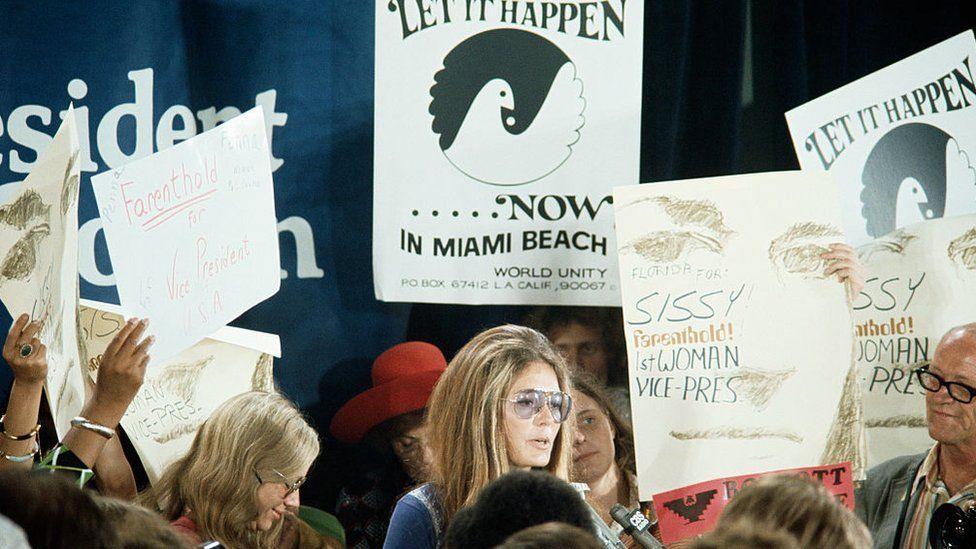
She co‑founded the National Women’s Political Caucus after the 1970 failure of the Equal Rights Amendment and testified at Senate hearings, describing how she had been denied service and housing solely as a woman. Her advocacy for same‑sex marriage, transgender rights and careful reassessment of her own stance on identity issues broadened the movement’s inclusivity.
Critics from both left and right questioned her glamourous appearance, claiming she used her image to profit from feminist causes. Yet her public statements did not shy from critique, stating she was forced to maintain visibility in a male‑dominated media landscape.
Steinem famously joked that she would not marry in captivity, underscoring her belief in autonomy. In 2000 she married David Bale, a partner who matched her commitment to social activism and helped her navigate legal issues related to residency. Bale’s death three years later from brain lymphoma marked a personal tragedy that was later balanced by her own health battles, including a breast cancer diagnosis in 1986 which she successfully overcame.
In 2013 she received the Presidential Medal of Freedom, the highest civilian award, recognising her role in restoring dignity and opportunity to women. Now 90, she reflects that her legacy can empower individuals to become “unique, valuable and loving” in their own right.
Her story demonstrates that speaking truth to power, reshaping language and keeping voices on the right path can create generational change. The influence of her work continues as Ms. magazine remains in circulation, and her championing of women’s rights echoes in modern movements for equality worldwide.