In brief
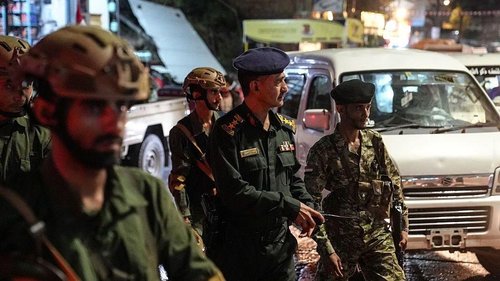
The U.S. State Department has ordered non‑emergency diplomats and their families to leave Saudi Arabia following a string of Houthi‑backed attacks that have killed three people and injured several others. A drone intercepted near a Shaybah oil field killed two, while a strike on King Fahd International Airport in Dammam injured eight. The escalating violence reflects a breakdown of a four‑year unofficial cease‑fire, with the Houthis targeting airports, oil facilities and military bases in response to what they call a Saudi blockade and an earlier air strike on Sanaa airport. The conflict threatens regional stability, with the maritime embargo in the Bab al‑Mandab Strait already contributing to rising global oil prices. The U.S. warns that hostilities could intensify further, urging local and international stakeholders to seek a durable resolution.
The United States has instructed non‑emergency diplomats and their families to leave Riyadh following a surge in Houthi‑driven attacks that have claimed three lives across Saudi Arabia.
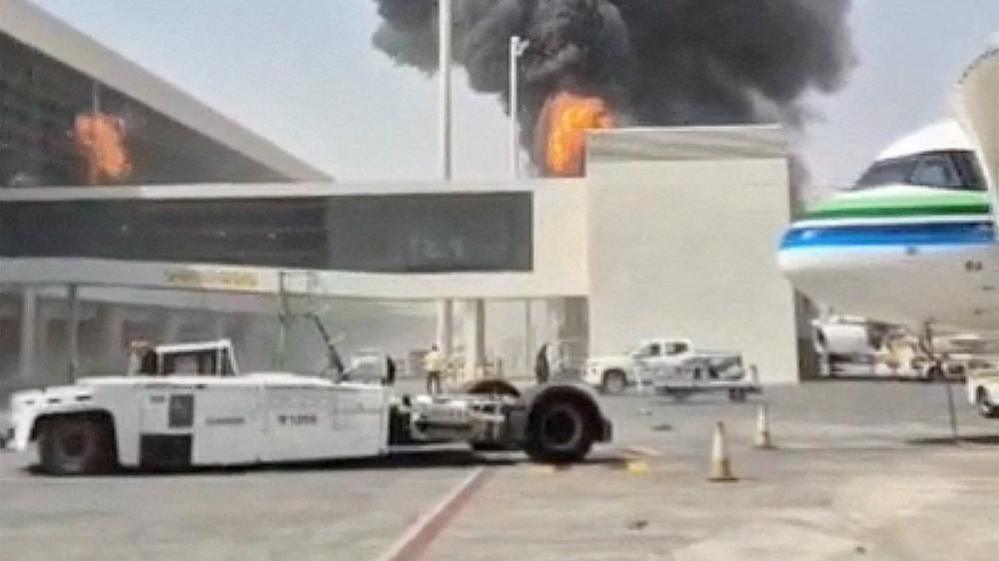
Saudi authorities reported that debris from a drone intercepted near a Shaybah oil field caused two fatalities, while a strike on the King Fahd International Airport in Dammam left eight people injured, ranging from minor to serious.
Since the Houthis launched a maritime embargo and bombarded Saudi airports, oil facilities and military bases, the region has seen a rapid escalation of hostilities. A recent deadly strike on Riyadh’s international airport marked the worst attack in the kingdom in years.
The conflict, which began when the Houthis ousted Yemen’s government in 2014 and worsened in 2015 with a Saudi‑led coalition, had been in a fragile four‑year cease‑fire until July when it broke down. The hijacked nautical lanes through the Bab al‑Mandab Strait have also pushed global oil prices higher.
A State Department spokesperson warned that “the hostilities have the potential to escalate rapidly” and urged diplomatic caution while calling for a sustained resolution to prevent further regional destabilisation.