In brief
U.K. Prime Minister Ed Miliband has announced a sweeping ban on goods, services and financing linked to Israeli settlements, citing the International Court of Justice ruling that the occupation is unlawful. Israel reacted with unprecedented severity, closing the London consulate in East Jerusalem, removing British staff from the Gaza Support Centre and calling the U.K. “unlawfully hostile.” Miliband’s heartfelt, personal indictment of settler terrorism and the occupation’s “ethnic cleansing” declares a reset of U.K. policy and sets British-Israeli ties at their lowest point in decades. While the move aims to support a future Palestinian state, the practical impact on the West Bank and the broader Middle‑East dynamics remains uncertain.
Britain’s new trade ban on Israeli settlement goods has shattered a decades‑old tolerance, plunging British-Israeli relations into a frigid low.
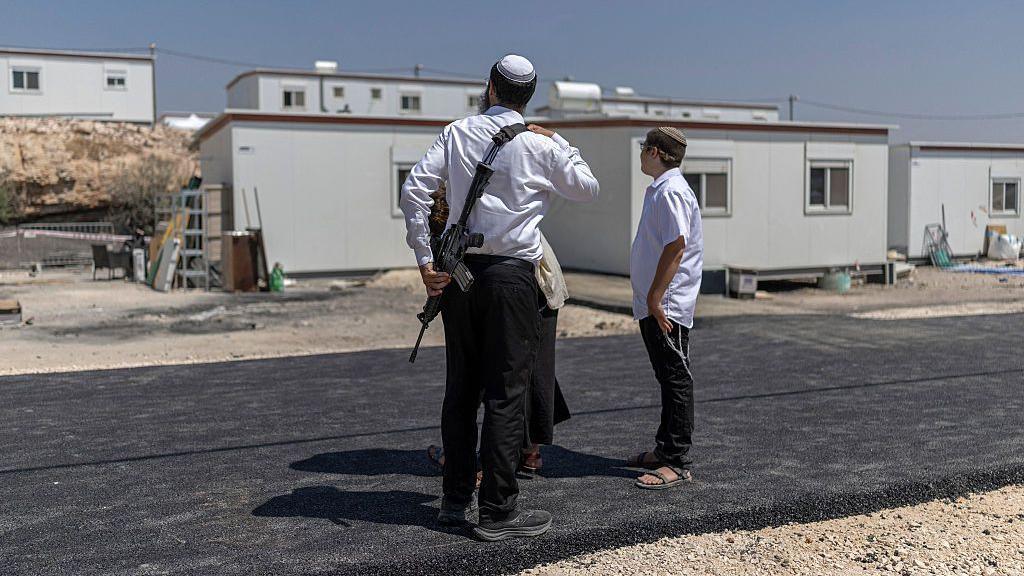
Foreign Minister Ed Miliband announced that the United Kingdom would impose a complete ban on goods, services and financing linked to settlements in the West Bank, following the International Court of Justice’s 2024 ruling that the occupation is unlawful. The decision also includes restrictions on arms sales that materially support the occupation, a move that goes beyond the expectations of many observers.
Israel’s response has been swift and scorched. The Israeli Defence Forces closed the U.K. consulate in East Jerusalem, whose staff had worked closely with the Palestinian Authority in Ramallah. They also removed British representatives from the International Gaza Support Centre, signalling a break in diplomatic cooperation.
Miliband’s announcement was so personal that it stunned many. Identifying himself as a "proud British Jew," he called settler terrorism "rampant" and accused the Israeli government of "turning a blind eye" to the continued “injuries and ethnic cleansing” against Palestinians.
The ban could play a pivotal role in pressuring Israel, but many caution that it will have limited effect without a global coalition, especially the U.S., which has historically supported settlement expansion. The United Nations and Allied Nations’ sanctions have opened a door, yet the practical prospects for establishing a sovereign Palestinian state remain dim.
The Palestinian leadership has hailed the move as a turning point, calling for concrete measures to halt the settlement enterprise and foreseeing a future state on 1967 borders with East Jerusalem as its capital. Meanwhile, Israeli public sentiment is divided between those who see the settlements as a national betrayal and those adamant that their demolition would be catastrophic.
While the U.K.’s ban may enact a powerful symbolic stance, critics argue it could harden Israel’s stance and fanned settler aggression, escalating tensions in the West Bank and producing unprecedented diplomatic friction.
The cooling of Britain’s diplomatic engagement with Israel marks the most striking downturn in the bilateral relationship since the war of 1983. Whether the U.K. can still sustain influence in a volatile regional environment remains to be seen; but the move undeniably rewrites the diplomatic script for the decade ahead.