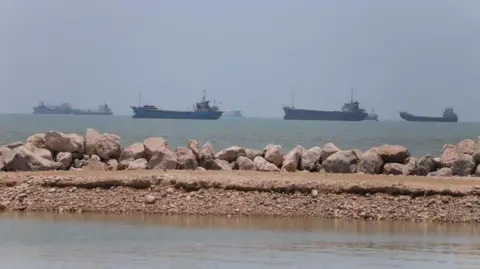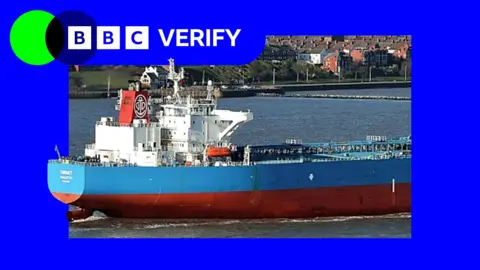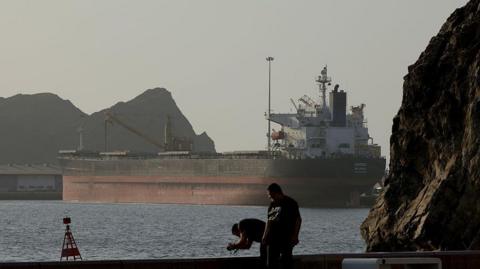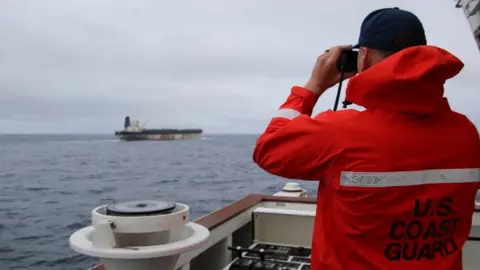
The United States has escalated its measures against Venezuelan oil exports by seizing two tankers allegedly linked to illegal activities involving Venezuelan crude oil. In a series of synchronized operations in the North Atlantic and Caribbean regions, U.S. forces successfully boarded the Marinera, a Russian-flagged tanker, which had been pursued for nearly two weeks.
The Marinera, previously known as Bella 1, was captured while traversing waters between Iceland and Scotland, with the UK Royal Navy providing logistical support. Concurrently, another tanker, the M/T Sophia, was intercepted in the Caribbean under accusations of engaging in illicit activities.
This dramatic action aligns with the U.S. strategy to suppress Venezuelan oil exports, following recent developments including the reported capture of Venezuelan President Nicolás Maduro in a targeted raid by U.S. special forces.
Defence Secretary Comments
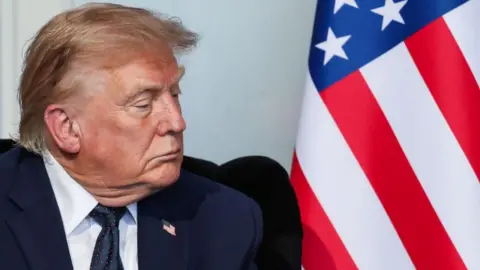
Defence Secretary Pete Hegseth reaffirmed the U.S.'s stance on enforcing sanctions against Venezuelan oil, stating, 'The blockade of sanctioned and illicit Venezuelan oil remains in FULL EFFECT - anywhere in the world.'
Moscow has condemned the seizure of the Marinera, calling on the U.S. to respect the rights of the Russians aboard and expedite their return home. The Russian transport ministry has issued a statement articulating its position, claiming the U.S. acted unlawfully against a vessel legally registered under its flag.
Operational Details
U.S. officials reported that the Marinera was allegedly masquerading under the Guyanese flag, rendering it stateless at the time of boarding. Legal experts noted that international maritime law permits authorities to take action against stateless vessels. The second tanker, the M/T Sophia, was also claimed to be conducting illicit operations while journeying through international waters.
U.S. Secretary of State Marco Rubio mentioned cooperation from certain factions within Venezuela, indicating an understanding that collaboration with the U.S. might be vital for their economic stability.
In Washington, the Senate is preparing to vote on a bipartisan resolution concerning military engagement in Venezuela. Lawmakers are debating the implications of continued operations amidst concerns about troop involvement and fiscal expenditures.
As the U.S. continues to navigate complex international waters and economic concerns centered around Venezuelan oil, the geopolitical landscape remains precarious, drawing attention from various global stakeholders, including China, which has criticized U.S. actions.