In brief
The article explores the alarming increase in abandoned oil tankers and their impact on merchant sailors. Highlighting the plight of a crew member, Ivan, the piece discusses the challenges and risks associated with maritime abandonment, exacerbated by global conflicts and shadow fleets. As governments and organizations fight to improve conditions for sailors, the article sheds light on the consequences of neglect and the urgent need for reform in maritime regulations.
Over the past year, there has been a dramatic increase in the number of oil tankers and commercial ships abandoned worldwide, driven by various factors including geopolitical instability and economic challenges. This article dives into the story of one such vessel, highlighting the plight of its crew and the broader implications for global trade.
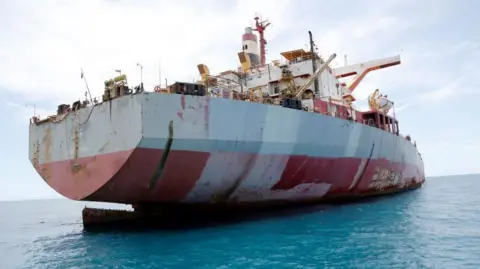
Ivan (not his real name), a senior deck officer on an abandoned oil tanker outside China's territorial waters, spoke about the dire conditions on board: We had a shortage of meat, grain, fish, simple things for survival. It's affected our health and our operational atmosphere. With nearly 750,000 barrels of oil onboard, valued at approximately $50 million, the vessel has become a symbol of the maritime abandonment crisis.
Reports indicate that the number of abandoned ships shot up from 20 in 2016 to 410 in 2025, with a staggering 6,223 merchant seamen affected. The increase has been attributed to geopolitical tensions, particularly following the Covid pandemic which disrupted supply chains and led to fluctuations in shipping costs.
The situation has been exacerbated by the emergence of so-called 'shadow fleets'—aged, often uninsured vessels sailing under flags of convenience and easily slipping through regulatory gaps. These fleets, often linked to nations facing sanctions, have become a troubling aspect of the global oil market.
As Ivan's story illustrates, crew members left stranded on these ships often face dire conditions. While some organizations, like the International Transport Workers' Federation (ITF), have stepped in to assist, many remain trapped at sea, waiting for resolution that often seems elusive.
The issue is not just about ships and oil; it's about the people behind them. Seafarers like Ivan are at the mercy of contracts and regulations that do not always protect their rights. With growing international attention on maritime abandonment, there are calls for stronger oversight and better conditions for seafarers worldwide.