In brief
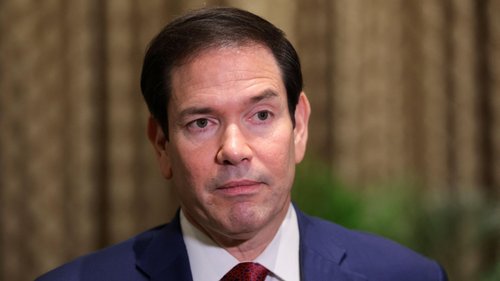
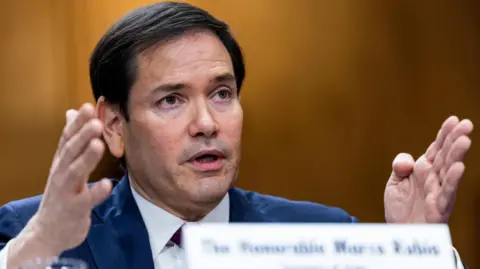
In a tense Senate hearing, Secretary of State Marco Rubio defended the US military intervention in Venezuela following the removal of Nicolas Maduro. The hearing, highly anticipated by Foreign Relations Committee members, tackled the legality and implications of US military actions in the region. Rubio argued that the intervention will lead to a prosperous Venezuela, while critics raised concerns over the administration's handling of the situation and the narrative of military action.
Many members of the Senate Foreign Relations Committee have wanted an opportunity to question the US Secretary of State on Venezuela for some time.
They have called for a hearing since well before the unprecedented US airstrikes on Caracas and the removal of Nicolás Maduro from power in the early hours of January 3. Their wish was finally fulfilled.
Finally, a public hearing, said Tim Kaine of Virginia, a Democrat, who recounted how the Trump Administration had reached this point on Venezuela where Maduro is now in a US jail and the country is being led by Interim President Delcy Rodriguez.
Kaine pointed out that the first US strike on alleged drug boats in the Caribbean took place on September 2, 2025, some five months prior and expressed disappointment that discussions on the legality of those strikes had been classified and took place behind closed doors.
However, the hearing primarily focused on the events of this year when Delta Force troops forcibly removed Maduro from Venezuelan soil to confront drug trafficking charges in New York.
Secretary Rubio stressed that the US was not at war with Venezuela, stating: We did not occupy a country. There are no US troops on the ground, aiming to combat arguments that the Trump administration has bypassed Congress in the military actions, which some say is a violation of the War Powers Act.
Instead, Rubio characterized the US military action in Caracas as a law enforcement operation. A comparison he made was contested by Senator Rand Paul, a Republican, who argued that the military action's justifications were lacking. Nevertheless, Rubio firmly defended the administration's position amidst criticism regarding the wisdom and legality of its actions in Venezuela.
Rubio insisted the Trump administration's actions would eventually improve the situation in Venezuela, which he described as a critically ill patient, and enhance regional security and prosperity.
The secretary outlined Washington's plan to maintain control over Venezuela's oil industry, emphasizing that the funds from sales of Venezuelan crude were to be initially kept in an offshore account in Qatar, eventually shifted to a blocked account in the US Treasury. Rubio stated that the Venezuelan government would have to request the use of those funds for defined needs, with Washington deciding on their release.
Rubio determined that such an arrangement would ensure Venezuelan oil profits are redirected towards US-made goods rather than benefitting adversaries like Russia or servicing debts to China. In conclusion, while Rubio kept the option of military action open, he reiterated that they hope not to resort to that.
Rubio's unwavering confidence in addressing the Senate about US operations in Venezuela sparked discussions on the potential impacts on US-Cuba relations, especially considering Rodriguez's pledge to cut off oil supplies to the Cuban regime amidst changing dynamics in the region.