In brief
The United Nations General Assembly has passed a resolution recognizing the transatlantic slave trade as 'the gravest crime against humanity'. The UN Secretary-General emphasized that the wealth of many Western nations rests on the exploitation of stolen lives. Although the resolution is not legally binding, it aims to increase acknowledgment and support discussions on reparations for affected communities. With overwhelming support amongst 123 countries, the decision highlights the need for meaningful dialogue about the historical injustices stemming from slavery.
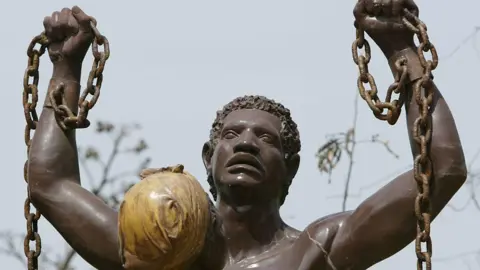
The United Nations General Assembly voted overwhelmingly this week to declare the transatlantic slave trade as 'the gravest crime against humanity.' This historic resolution, which has garnered support from African and Caribbean nations, was met with a warm reception from UN Secretary-General Antonio Guterres, who emphasized that the wealth of many Western nations is built on the exploitation of enslaved individuals. Guterres pointed out that the historical context involves barbaric punishments used to control the enslaved, and he stated that the impacts of this exploitation continue to be recognized only inadequately. While the resolution does not impose legal obligations, it holds significant political weight. Analysts believe that it could be a catalyst for further discussions on reparations or compensation for the descendants of those affected by slavery.The vote recorded 123 affirmations, three dissenting votes, and 52 abstentions, with notable resistance from the United States, Argentina, and Israel. Activists and scholars view this resolution as a significant step, encouraging the UN to facilitate reparative justice discussions as various nations begin acknowledging their historical wrongs. Experts like Dr. Erieka Bennett have articulated the personal significance of this resolution for descendants of the enslaved, describing it as a long-awaited recognition. The discourse around reparations, which has intensified in recent years, is underpinned by the legacies of slavery that continue to affect populations today.In response to the ongoing impacts of the transatlantic slave trade, there remain debates about potential reparations, with calls from several nations, including CARICOM, advocating for substantial discussions around compensation and apologies from nations historically benefitting from slavery. The UN's declaration emphasizes the importance of remembering the past in order to forge a more equitable future and establish true reconciliation.