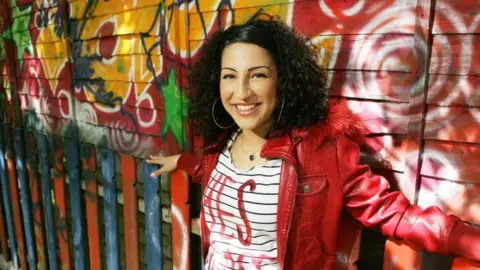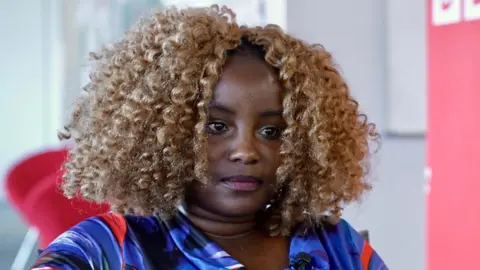
On Valentine's Day, Joy Kalekye received a worried call from a friend who had seen a video of her circulating on social media. The clip, captured without her knowledge, featured the young student being approached by a man in Nairobi who commented on her appearance, initiating a viral trend of filming women without consent. Kalekye's story is echoed by many women in Kenya and Ghana who have fallen victim to similar situations, facing online ridicule and abuse as a result.
These non-consensual videos show women being approached, touched, and filmed, and are often posted by men who monetize this content through social media. The situation has led to widespread outrage among activists and calls for legal action against the perpetrators. However, the backlash has not only targeted the filmers but also the victims, who endure harsh criticism and misogynistic comments online, highlighting a troubling societal shift where the focus is redirected from the wrongdoing of the men to that of the women involved.
Kalekye states, 'It's like being a celebrity, but not in such a good way,' while experts emphasize that this environment increases the harm caused to women and discourages them from speaking out. As the online discourse continues to evolve, the need for accountability and the protection of individuals' rights in the face of non-consensual filming becomes paramount.
These non-consensual videos show women being approached, touched, and filmed, and are often posted by men who monetize this content through social media. The situation has led to widespread outrage among activists and calls for legal action against the perpetrators. However, the backlash has not only targeted the filmers but also the victims, who endure harsh criticism and misogynistic comments online, highlighting a troubling societal shift where the focus is redirected from the wrongdoing of the men to that of the women involved.
Kalekye states, 'It's like being a celebrity, but not in such a good way,' while experts emphasize that this environment increases the harm caused to women and discourages them from speaking out. As the online discourse continues to evolve, the need for accountability and the protection of individuals' rights in the face of non-consensual filming becomes paramount.