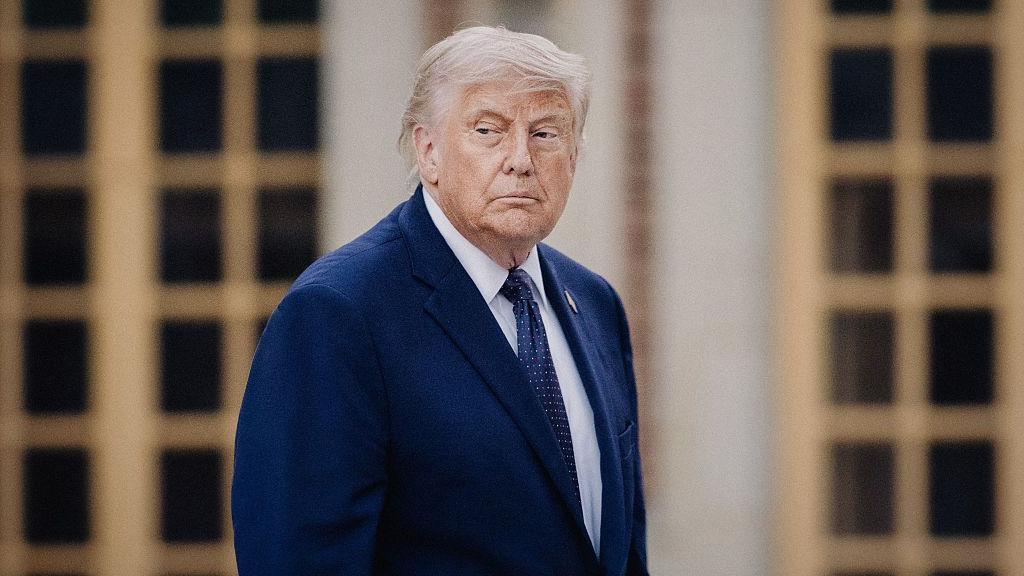
When Donald Trump strode onto a stage at a campaign rally in Indiana in 2016, he declared: China was America's chief economic antagonist.
Trump's anti-China rhetoric persisted throughout his presidency and into the 2024 campaign, often echoing a narrative that accused China of economic aggression.
Upon returning to the White House after a recent trip to Beijing, Trump appeared alongside key allies known for their hardline stance against China, accusing Beijing of stealing American technology and contributing to a crisis of fentanyl in the U.S.
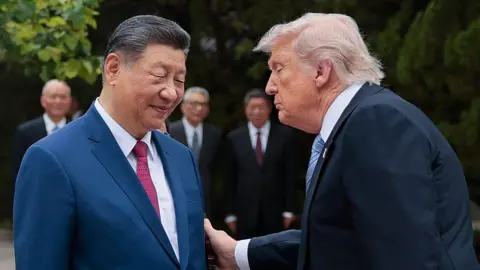
In a dramatic escalation, tariffs on Chinese goods soared from 10% to 145%, sparking a full-blown trade war. However, during his latest Beijing visit, Trump warmly greeted President Xi Jinping, stating, It's an honor to be your friend, and the relationship between China and the US is going to be better than ever before.
The trip’s highlights included Trump's recognition of fantastic trade deals, although concrete agreements remained elusive. Notable developments included Nvidia's approval to sell chips to several Chinese companies and Boeing securing an order for new aircraft.
Despite these diplomatic overtures, Trump's traditional allies, including some of the MAGA movement's staunch supporters, expressed alarm at Xi's firm stance on Taiwan. Former strategist Steve Bannon remarked on the threat emanating from Xi, likening it to a blatant act amidst negotiations.
The conflicting narratives raise questions about the trajectory of U.S.-China relations, especially as Taiwan remains a contentious issue. Trump revealed he made no commitments on the delayed arms sale to Taiwan, prompting criticism from both parties. Experts remain skeptical about the potential for a reset in U.S.-China dynamics, pointing out longstanding issues remain unresolved.
Despite the warm exchanges, analysts suggest that Trump's softer tone may be a tactical shift reflecting the ineffectiveness of previous hardline measures. Moving forward, the implications of these diplomatic maneuvers will continue to unfold, particularly concerning Taiwan as pressure builds on Trump to address the pending arms deal.