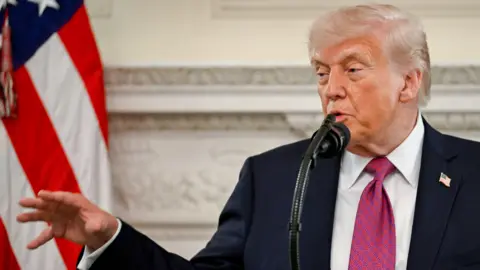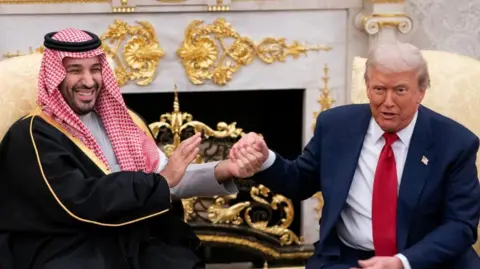
Seven countries including Saudi Arabia, Turkey, and Egypt have announced their agreement to join U.S. President Donald Trump's Board of Peace, following a joint statement confirming their participation. This new development adds to Israel's prior confirmation, marking a substantial coalition aimed at addressing the complex issues surrounding the ongoing conflict in Gaza.
On Wednesday evening, Trump mentioned that Russian President Vladimir Putin had also indicated a willingness to join, although Putin later clarified that Russia was still assessing the proposal.
Initially conceived to assist in resolving the two-year conflict between Israel and Hamas and to oversee reconstruction efforts, the board's proposed charter notably omits references to Palestinian territories, indicating a potential shift towards replacing existing UN functions.
Despite criticisms, Saudi Arabia has affirmed the aim of the alliance to establish a long-term ceasefire in Gaza, foster reconstruction efforts, and pursue a just and lasting peace.
At the World Economic Forum, Trump reported Putin’s acceptance of the invitation, further asserting that many countries had confirmed their participation. However, Putin later downplayed the acceptance, affirming that the invitation was still under consideration.
The invitation extends beyond these initial nations, with Canada and the UK among other countries approached but yet to respond. Other reported participants include the UAE, Bahrain, Albania, and several others.
The Vatican also received an invitation, with Pope Leo’s representatives stating the need for careful deliberation regarding potential participation. Meanwhile, the Prime Minister of Slovenia revealed a refusal to join, citing concerns over the body’s interference with global diplomatic frameworks.
Following the leaked charter details, it indicates that the Board of Peace will require three member states to officially commit to its terms before coming into effect, allowing for renewable terms and permanent positions for those contributing significant financial resources.
With its chairman being Trump, the authority of selecting executive members lies with him, alongside oversight responsibilities typically held by international statutes.
The board's establishment and its future operations remain under scrutiny as many global entities evaluate its implications for peace and stability in the Middle East.