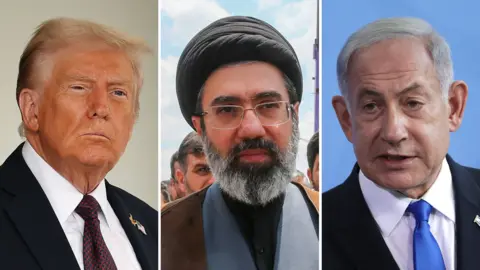
The United States
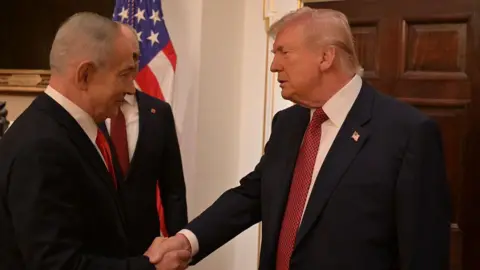
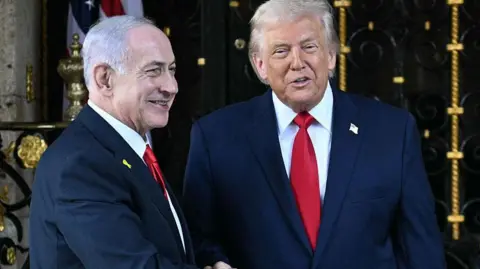
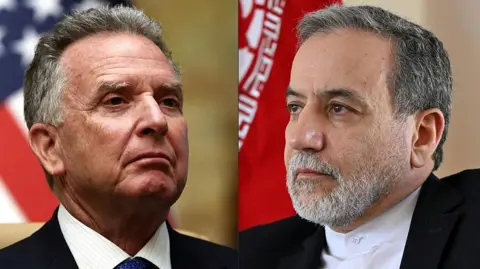
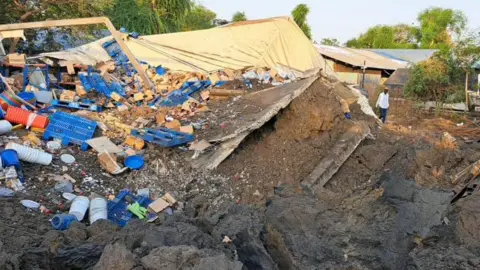
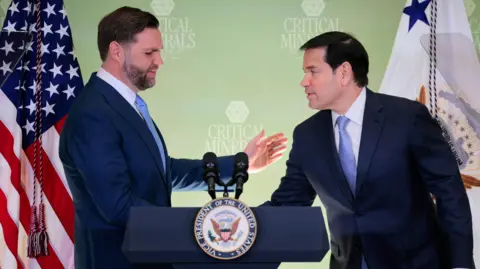
President Donald Trump's objectives in the war seem to fluctuate between curbing Iran's nuclear ambitions, enforcing compliance with U.S. and Israeli demands, and ultimately dismantling the Islamic Republic. Despite significant military actions weakening Iran, including 16 days of precision bombing, the regime remains resilient.
Indirect negotiations mediated by Oman indicated Iran might agree to major concessions regarding its nuclear program but resisted discussions about curtailing its ballistic missile efforts and support for militant proxies across the region.
While Washington ideally seeks the collapse of Iran's ruling authorities for a democratic alternative, the anticipated scenarios suggest minimal chances of such outcomes. Options to encourage behavior modifications from the Islamic Republic are further dampened by the recent appointment of Mojtaba Khamenei as the new supreme leader.
Compounding these issues, global oil prices surge amid rising tensions. The regime's survival poses a dilemma for Trump, who risks being perceived as unsuccessful if negotiations yield no major concessions.
Iran
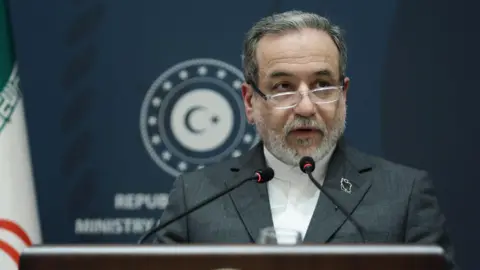
Iran's desire for a swift end to hostilities is matched by its unwillingness to acquiesce to what it sees as U.S. and Israeli overreach. The nation, equipped with significant geographical advantages, appears poised to endure prolonged conflict, relying on its strategic position to influence oil shipping through critical channels.
Despite mounting challenges from relentless bombardment, Iran's leadership is adamant that any discussions regarding cessation must provide assurances against future attacks and address reparations for damages inflicted. Given these demands, it is unlikely Iran will achieve satisfactory terms.
Israel
In contrast, Israel exhibits little urgency to conclude the conflict, focusing instead on comprehensively dismantling Iran's military capabilities. The Israeli government perceives threats from Iran's missile capabilities and nuclear advancements as existential, pushing for sustained military pressure to deter future threats.
The ongoing strikes are intended not only to disable Iran's arsenal but also to send a clear message about the potential consequences of Iran's military ambitions.
The Gulf States
The Gulf nations, initially accepting a coexistence with Iran, now find themselves embroiled in the conflict due to unprovoked attacks with Iranian drones and missiles. Their recent experiences have significantly shifted perceptions, leading to heightened regional tensions and a breakdown in trust toward Tehran.
As attacks escalate, the collective stance among Gulf states indicates a transformation where they cannot pursue ordinary relations with Iran post-conflict, reflecting a significant shift in regional dynamics.