In brief
President Donald Trump is set to celebrate his 80th birthday and joins a growing cohort of senior citizens working well into their 80s. The article contrasts Trump’s case with examples from an 95‑year‑old doctor and a 93‑year‐old lawyer, exploring motives for extended careers—from financial necessity to the desire for social interaction and purpose. Experts highlight the role of health care access, lifestyle choices, and genetic factors in enabling longevity. While Trump’s physician reports “excellent health,” political concerns about his fitness for office echo broader anxieties about ageing leaders and the pace at which stress can accelerate ageing.
President Donald Trump is poised to celebrate his 80th birthday on Sunday, joining a growing group of senior citizens who are still active in the workforce.
A New Phase of Life
Remains far from the usual retirement age of 67 in the United States. It is one of the oldest leaders in history, according to data from the Pew Research Center, and a topic that has resurfaced in Congressional discussions.
People Staying in the Workforce
Pew reports that the percentage of people aged 65 and older in the U.S. workforce has quadrupled since the 1980s, now at about 19%. Working younger adults includes high‑profile positions—lawmakers, presidents and company executives—such as Senator Chuck Grassley who is 92 and a handful of Congress members over 80.
Among the reasons for staying active are increased life expectancy, rising costs of living, and a shift in attitudes about age and expertise. A survey from Indeed Flex found that 30% of retirees consider part‑time or temporary work, with 60% citing the cost of living.
Living Long in the Spotlight
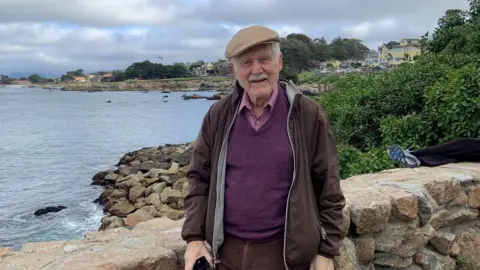
The 95‑year‑old Michigan doctor Arthur Rose entered his office for the last time in February, after 65 years of practice. His retirement was a “birthday gift” to himself and a tribute to his brother who also died at 95 during the Covid pandemic. He said the job was no longer “pleasing him” and that his patients rarely commented on his age.
Another example is 93‑year‑old matrimonial lawyer Harriet Newman Cohen who, after founding a law firm with her daughter at 88, said working keeps her “young, vigorous, energetic, knowledgeable, fun.” She credited 8‑hour nights, reading, and conversation as part of her longevity.
Health and Age‑Related Challenges
While senior workers bring experience, concerns about cognitive decline and stamina surface. Biden’s withdrawal from the 2024 race amid allegations of cognitive decline underscored the political stakes. In his case, lawmakers aired fears about a possible decline in executive function.
In a Congressional hearing, Democratic Rep. Ted Lieu presented videos suggesting Trump falls asleep in meetings, a claim the Republican Senator Marco Rubio dismissed as “absurd.” Trump’s physician said bruising on his hands resulted from regular handshaking and aspirin use, and a recent patient exam at Walter Reed suggested “excellent health.”
Experts like Professor Gordon Lithgow emphasize that work can promote wellbeing, but stress, lack of sleep, and other lifestyle factors may countervail by accelerating biological ageing. Lithgow argues that “qualified for the job, not age” and that the best protection is good health care, diet, exercise and rest.
Why They Stay
For both Rose and Cohen, the sense of purpose is vital. “Work has kept me young” Cohen said, while Rose felt he could not be left unused. Their stories hint at a broader narrative: senior professionals may find fulfilment, social interaction and the use of their accumulated knowledge as a driving force for prolonged careers.
Even when asking what he attributed to this longevity, Rose answered that he “doesn’t smoke” and has only a “schnapps every now and then.” Cohen credits sleeping more than eight hours nightly, regular exercise and continued learning.