In brief
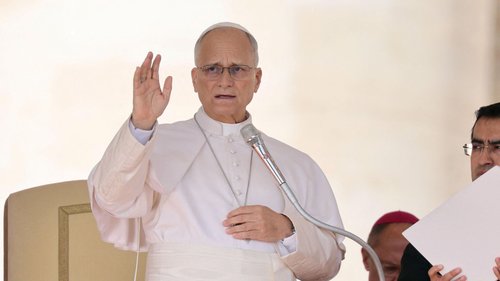
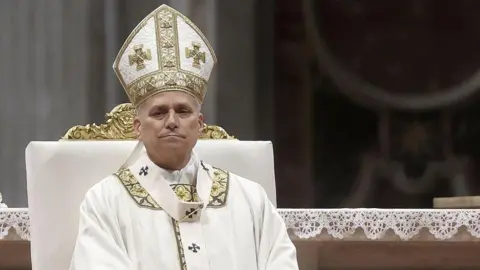
The relationship between Pope Leo XIV and the Trump administration appears to be increasingly strained, particularly concerning immigration policies. Supporters of Trump have criticized the Pope's calls for humane treatment of migrants, viewing it as governmental overreach. The divide is evident as conservative elements within the Church push back against the Pope's messages of compassion for immigrants, highlighting a significant schism among American Catholics themselves. Meanwhile, bishops have rallied to support the Pope's stance against indiscriminate deportations, arguing it contradicts the Church's values.
The tensions between Pope Leo XIV and the Trump administration have reached a notable peak as the Pope openly criticizes the government's immigration policies. Conservative Catholic figures, such as Jesse Romero, have publicly declared their disapproval of the Pope's stance, stating that the pontiff should focus only on spiritual matters.
Romero's words resonate with a segment of the American populace, many of whom are anxious about the Pope's vocal opposition to Trump's mass deportation policies. The American Catholic community, which constitutes about one-fifth of the US population, finds itself divided on these issues, with opinions strongly swayed by political affiliations.
Key figures in Trump’s administration, including Vice President JD Vance, have ties to the Catholic Church and have been instrumental in Trump’s electoral strategy. Many recognize the Church's influence in American life, yet feel that immigration has become a contentious issue, creating a rift between Church leadership and the government.
During recent papal addresses, Pope Leo XIV emphasized the importance of treating migrants with dignity, invoking biblical principles that stress compassionate treatment for foreigners. This call for compassion was echoed by the United States Conference of Catholic Bishops (USCCB) in a rare formal statement expressing concern over the treatment of immigrants in the country.
Such statements have caused significant backlash from conservative Catholic circles, which believe that the newfound assertiveness from the Vatican should stop at spiritual guidance rather than political discourse.
Political analysts suggest that the relationship between the Trump administration and the Pope reflects an unprecedented political calculation aimed at solidifying support among American Catholics, particularly those who lean towards Trump.
As disagreements escalate, statements from the Catholic hierarchy continue to advocate for humane treatment of immigrants, challenging the administration’s hardline policies and emphasizing that these policies are inconsistent with the fundamental teachings of the Church.