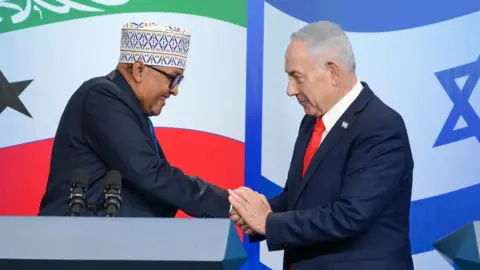
Somaliland, a self‑governing region of Somalia since 1991, has opened an embassy in Jerusalem — a bold claim to diplomatic legitimacy that follows Israel’s historic recognition of its independence in December last year.
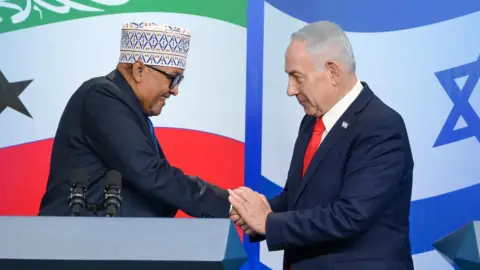
The embassy, situated in a technology park in West Jerusalem, opened during President Abdirahman Mohamed Abdullahi’s official visit to Israel. Prime Minister Benjamin Netanyahu welcomed the development in a statement that underscored a “deep spiritual bond between our peoples.”
The move is contentious. Somalia, which considers Somaliland to be part of its territory, called any engagement with the secessionist regime a violation of its sovereignty. Meanwhile, the Palestinian Authority condemned the opening as a “flagrant violation of international law.”
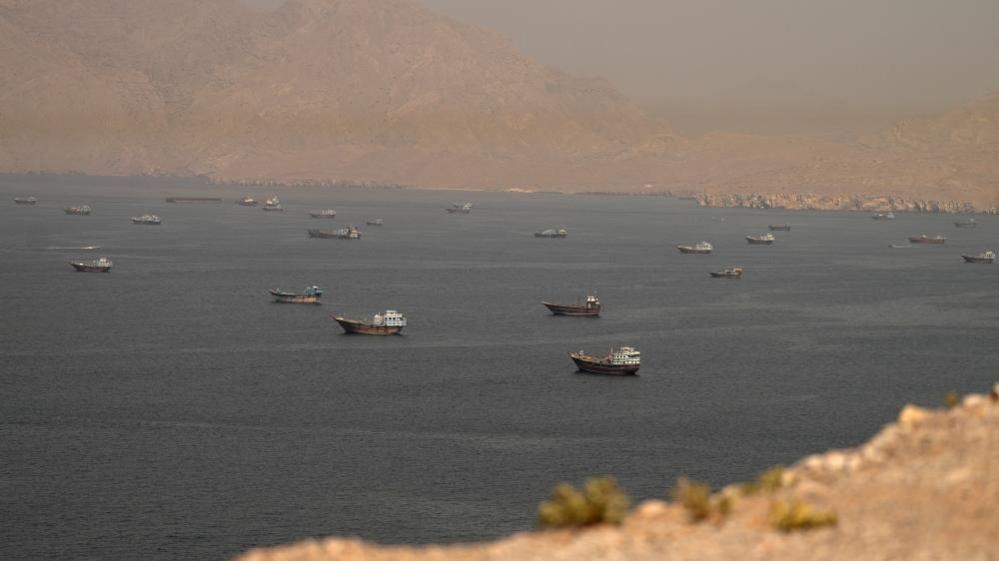
Israel’s decision to recognise Somaliland broke with the status quo of diplomatic recognition, which had not included the region until Israel’s late‑2025 move. This unprecedented alignment has galvanized Somaliland’s foreign policy, prompting visits from Israeli officials to the region’s capital, Hargeisa, and discussions over cooperation in areas such as rare‑earth mining and strategic maritime access near the Red Sea.
Netanyahu, in his praising remarks, compared Somaliland’s bid for recognition with Israel’s own historical claims to Jerusalem, framing it as an early act of acknowledgment by other nations of a city he asserts has been Jewish since King David’s reign. The exchange underscores a delicate interplay of historic, religious, and political narratives that shape contemporary diplomacy in the region.
The case of Somaliland’s embassy illustrates a new chapter in diplomatic relations: a small, largely unrecognised state now vying for a voice within a contested capital, while calling for cooperation and stability in a fragile geopolitical landscape.