In brief
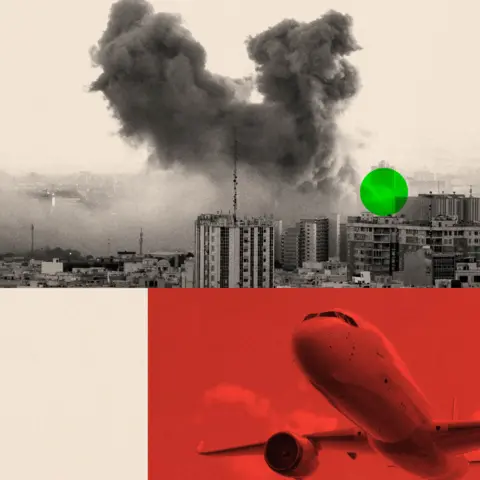
The recent Middle East conflicts have paralyzed major air traffic routes, grounded aircraft, and left tens of thousands of passengers stranded. With fuel supplies dwindling and increased tensions affecting airspace security, the Gulf aviation hubs' operational efficiency is under threat. Industry experts ponder the long-term implications of these disruptions on the aviation landscape, particularly for the Gulf carriers which have dramatically reshaped international air travel in recent decades.
Preparing for Turbulence: The Impact of Ongoing Conflicts in the Middle East on Global Aviation
As political unrest grips the Middle East, the aviation industry is grappling with unprecedented challenges. These tensions have not only grounded flights but have also resulted in increased air travel costs, leaving passengers stranded and questioning the security of traveling through Gulf hubs.
Dubai International Airport (DXB) has been a key player in global aviation, handling more international passengers than any other airport. Yet, due to the current conflicts, the operational stability of DXB and its regional counterparts in Abu Dhabi and Doha are now under severe threat.
Since February, when airstrikes started impacting Iran, air traffic has been heavily disrupted. Infrastructure that once allowed for an influx of over 3,000 daily flights is now facing paralysis. As thousands of travelers remain grounded amid ongoing military actions, the ripple effects are felt across the globe.
Fuel supply issues have emerged as a major concern, especially with the Gulf region accounting for a significant portion of Europe's jet fuel imports. The crisis has driven fuel prices up, forcing airlines to reconsider their flight operations, potentially leading to flight cancellations and increased fares.
Industry insiders are actively discussing the long-term repercussions these disruptions may have. The 'Gulf model' of air travel, which has made flights to distant destinations more accessible and affordable, stands on shaky ground as passenger confidence wavers due to the uncertainties of traveling through conflict zones.
Despite the chaos, Gulf carriers like Emirates, Qatar Airways, and Etihad have started limited operations to manage the return of stranded passengers. However, with ongoing disruptions and the potential for future conflicts, many travelers, like Ian Scott, are now reconsidering their travel routes, wary of future crises.
Despite the daunting challenges, some experts believe the Gulf carriers will rebound swiftly once stability returns, flooding the market with competitive fares. Nonetheless, for today’s travelers, the way they approach air travel in and out of the Gulf has forever changed with lasting implications for the vibrant region’s economy.