In brief
On Friday, Louisiana lawmakers approved a new U.S. congressional map that moves Democratic Rep. Cleo Fields’ district into predominantly white communities while pulling Baton‑Rouge seats into a heavily Democratic, majority‑Black district. The decision follows the Supreme Court’s April 30 ruling that the 2024 Voting Rights Act‐compliant map was an illegal racial gerrymander. Governor Jeff Landry is expected to sign the map into law, while Democrats warn this could still be a racial gerrymander that disproportionately packs Black voters. The move is part of a broader Southern redistricting push in the wake of the Court’s decision to weaken the 1965 Voting Rights Act, with neighboring states like Florida, Tennessee, Alabama and South Carolina also reshaping their congressional lines to benefit Republican fortunes heading into the November midterms.
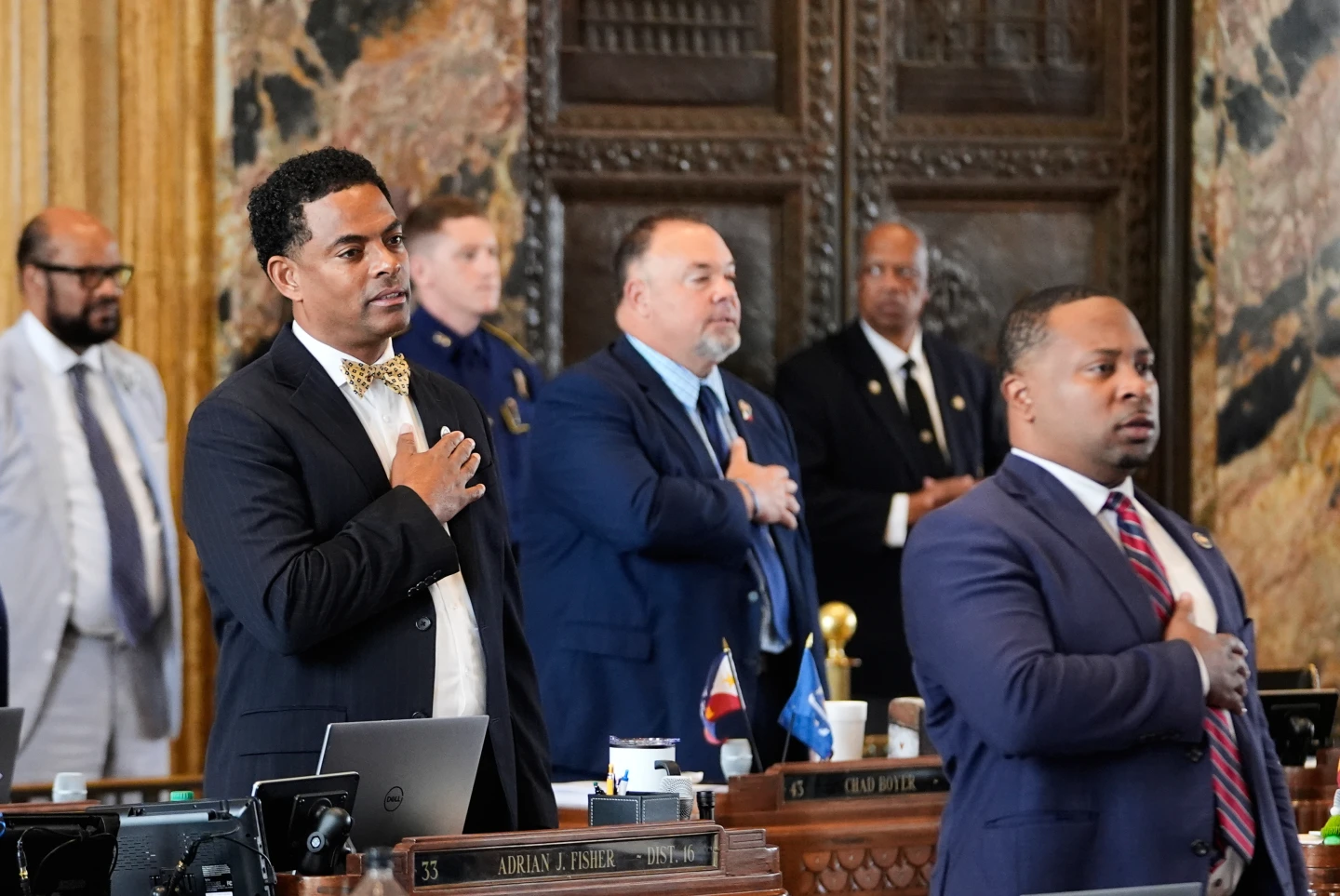
BATON ROUGE, La. – Louisiana lawmakers passed a new congressional map on Friday that could leave the state’s only remaining majority‑Black district in the House represented by a Democrat while giving the GOP a clear path to secure a sixth seat.
The decision comes a month after the U.S. Supreme Court struck down Louisiana’s 2024 map as an illegal racial gerrymander, a ruling that effectively weakened the landmark 1965 Voting Rights Act. The Court’s action has intensified a national redistricting battle sparked by President Donald Trump’s push to protect Republicans’ slim House majority in upcoming midterm elections.
Republican lawmakers had previously considered a “5‑1” map that would give the GOP a shot at all six seats—one that would inevitably add more Black voters to Republican‑held districts and risk back‑firing with losses. Some officials argued that a map skewed toward Republican seats would better protect U.S. House Speaker Mike Johnson from a challenging reelection. The newly approved map does just that, choosing to pair Democrat‑led districts with heavily Democratic, predominantly Black populations in New Orleans and Baton Rouge.
Governor Jeff Landry is expected to sign the new map into law, following a postponement of the state’s U.S. House primary from May 16 to later in the summer to allow Republicans to redraw the districts.
The new boundaries would reallocate Democratic Rep. Cleo Fields’ district, clustering it around predominantly white communities in the Baton Rouge area and southern Louisiana. It would also add part of Baton Rouge to a heavily Democratic, majority‑Black district based in New Orleans currently represented by Rep. Troy Carter.
Democrats warn that this plan could still amount to a racial gerrymander by concentrating Black voters into a single district. The lawsuit that led to the Supreme Court’s decision criticized the Legislature’s previous map for leaving a majority‑Black district intact. Now the new map faces potential legal challenges from plaintiffs in the court and new” national redistricting controversy that will provide fresh evidence for future litigation.
Other Southern states are taking advantage of the Court’s ruling. Florida’s Legislature passed new congressional districts hours after the decision, potentially yielding four additional seats for Republicans in the midterms. Tennessee adopted new U.S. House districts a week later, carving up a majority‑Black district based in Memphis to secure an additional seat for the GOP. Alabama is attempting to pick up another seat by redrawing two districts that have a majority or near‑majority of Black residents. Meanwhile South Carolina’s Senate declined a redistricting proposal amid pressure from the Trump administration.
At this point, Republicans appear to be winning the redistricting contest. They say that their efforts could add up to fourteen seats in the 2026 election, while Democrats estimate they could gain six seats from new districts in California and Utah. The Louisiana motion demonstrates how the Supreme Court’s decision and the current political climate are reshaping congressional mapmaking across the country.
Image Alt Text: Members of the public who oppose a redistricting plan to eliminate a majority‑Black congressional district in response to a U.S. Supreme Court ruling, listen to House members prior to a vote on it, in Baton Rouge, La., Thursday, May 21, 2026.