As Sandra Ramirez watched footage of immigration officers cracking down on migrants over the past year, she knew her 2024 vote for Donald Trump was a mistake. 'There are a lot of people who are being harassed for the color of their skin, and that’s not right,' said Ramirez, who broke from her Democrat-voting family to cast a ballot for Trump. 'I’ll never go Republican again.'
Trump made significant inroads with Latino voters like Ramirez during the 2024 elections, earning support that propelled him to a second term. Yet as Republicans gear up for midterms this fall and look ahead to 2028, the administration's aggressive immigration crackdown and economic pressures are eroding that critical bloc. Recent Pew Research Center polling shows support for Trump has fallen to 66% among Latino voters who voted for him in 2024—down from 93% at the beginning of his second term—while approval among non-Latino voters dropped from 95% to 79% over the same period.
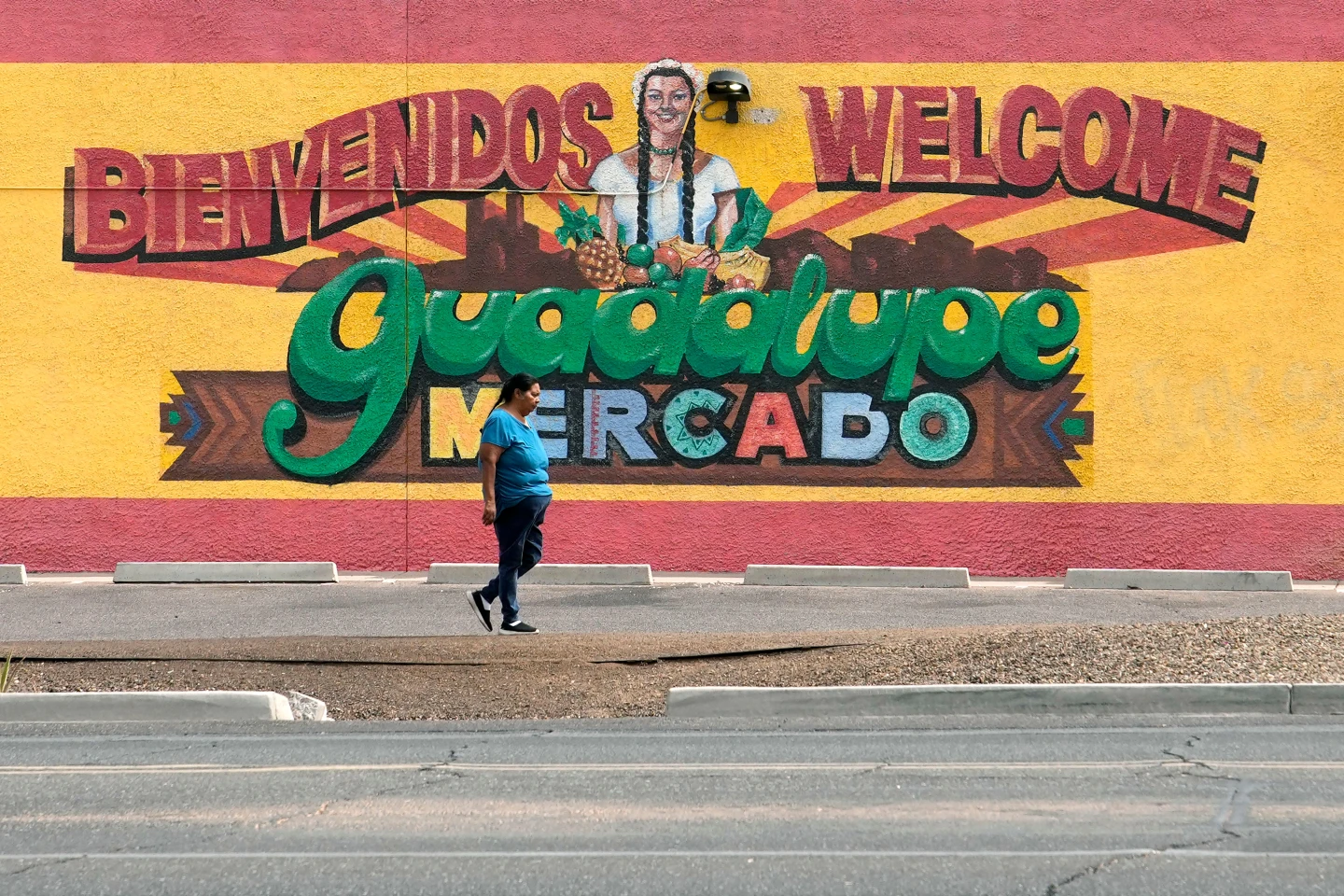
This trend could prove decisive in swing counties like Maricopa, which encompasses Phoenix and its suburbs. A third of Maricopa County residents are Latino, with one in four being an immigrant, according to UCLA's Latino Data Hub. Arizona, where Latino support for Trump grew slightly in 2024, has long been a flashpoint in immigration debates. Maricopa County Sheriff Joe Arpaio conducted high-profile raids in Latino communities during his tenure, and the state saw large migrant influxes during the Biden administration.
In South Phoenix, opinions reflect deep divisions. Albert Rodriguez, a tattoo artist, said he once supported Trump but now regrets it after seeing ICE operations target 'paleta man'—ordinary vendors selling frozen treats. 'Big time, I regret it,' he said. Meanwhile, Ronnie Martinez, an Army veteran, backs Trump's border security efforts: 'The border is only a hop, skip and a jump to our south. I don’t want illegal alien criminals coming from Guatemala, Venezuela, Central America.' Yet he also sympathizes with ICE officers who 'were doing the best they could in difficult situations' and blames Democratic officials for lack of cooperation.
The erosion of Latino support threatens GOP dominance in Arizona, where both senators and the top three state officials are now Democrats. Winning back voters who shifted to Trump will be crucial for Governor Katie Hobbs, Secretary of State Adrian Fontes, and Attorney General Kris Mayes. Historically, the GOP's control in Arizona was built on policies like SB1070—a 2010 law requiring police to check immigration status—and Sheriff Arpaio's raids. 'We were the lab where they implemented a lot of this with Sheriff Joe and now it’s all over the United States,' said Salvador Reza, a longtime Phoenix activist. Arpaio was convicted of criminal contempt for defying court orders on racial profiling allegations, later pardoned by Trump.
Former Republican Governor Jan Brewer cited economic pressures as a potential driver: 'With the inflation and the cost of living and the gasoline and the wars, I don’t know if they can afford to be a Trump Republican.' Earl Wilcox, a restaurant owner in Phoenix, added: 'I don’t think the Republican Party will have the support it did the second time around,' linking it to 'the raids.' While Trump's policies like tax cuts on tips and overtime initially won Latino support, rising costs of living have shifted opinions. As midterm elections approach, Republicans face a critical choice: retain the fragile Latino support gained in 2024 or risk losing ground in swing states where these voters are pivotal.}
Trump made significant inroads with Latino voters like Ramirez during the 2024 elections, earning support that propelled him to a second term. Yet as Republicans gear up for midterms this fall and look ahead to 2028, the administration's aggressive immigration crackdown and economic pressures are eroding that critical bloc. Recent Pew Research Center polling shows support for Trump has fallen to 66% among Latino voters who voted for him in 2024—down from 93% at the beginning of his second term—while approval among non-Latino voters dropped from 95% to 79% over the same period.
This trend could prove decisive in swing counties like Maricopa, which encompasses Phoenix and its suburbs. A third of Maricopa County residents are Latino, with one in four being an immigrant, according to UCLA's Latino Data Hub. Arizona, where Latino support for Trump grew slightly in 2024, has long been a flashpoint in immigration debates. Maricopa County Sheriff Joe Arpaio conducted high-profile raids in Latino communities during his tenure, and the state saw large migrant influxes during the Biden administration.
In South Phoenix, opinions reflect deep divisions. Albert Rodriguez, a tattoo artist, said he once supported Trump but now regrets it after seeing ICE operations target 'paleta man'—ordinary vendors selling frozen treats. 'Big time, I regret it,' he said. Meanwhile, Ronnie Martinez, an Army veteran, backs Trump's border security efforts: 'The border is only a hop, skip and a jump to our south. I don’t want illegal alien criminals coming from Guatemala, Venezuela, Central America.' Yet he also sympathizes with ICE officers who 'were doing the best they could in difficult situations' and blames Democratic officials for lack of cooperation.
The erosion of Latino support threatens GOP dominance in Arizona, where both senators and the top three state officials are now Democrats. Winning back voters who shifted to Trump will be crucial for Governor Katie Hobbs, Secretary of State Adrian Fontes, and Attorney General Kris Mayes. Historically, the GOP's control in Arizona was built on policies like SB1070—a 2010 law requiring police to check immigration status—and Sheriff Arpaio's raids. 'We were the lab where they implemented a lot of this with Sheriff Joe and now it’s all over the United States,' said Salvador Reza, a longtime Phoenix activist. Arpaio was convicted of criminal contempt for defying court orders on racial profiling allegations, later pardoned by Trump.
Former Republican Governor Jan Brewer cited economic pressures as a potential driver: 'With the inflation and the cost of living and the gasoline and the wars, I don’t know if they can afford to be a Trump Republican.' Earl Wilcox, a restaurant owner in Phoenix, added: 'I don’t think the Republican Party will have the support it did the second time around,' linking it to 'the raids.' While Trump's policies like tax cuts on tips and overtime initially won Latino support, rising costs of living have shifted opinions. As midterm elections approach, Republicans face a critical choice: retain the fragile Latino support gained in 2024 or risk losing ground in swing states where these voters are pivotal.}