Is Trump's $5,000 Midterm Pledge Legal?
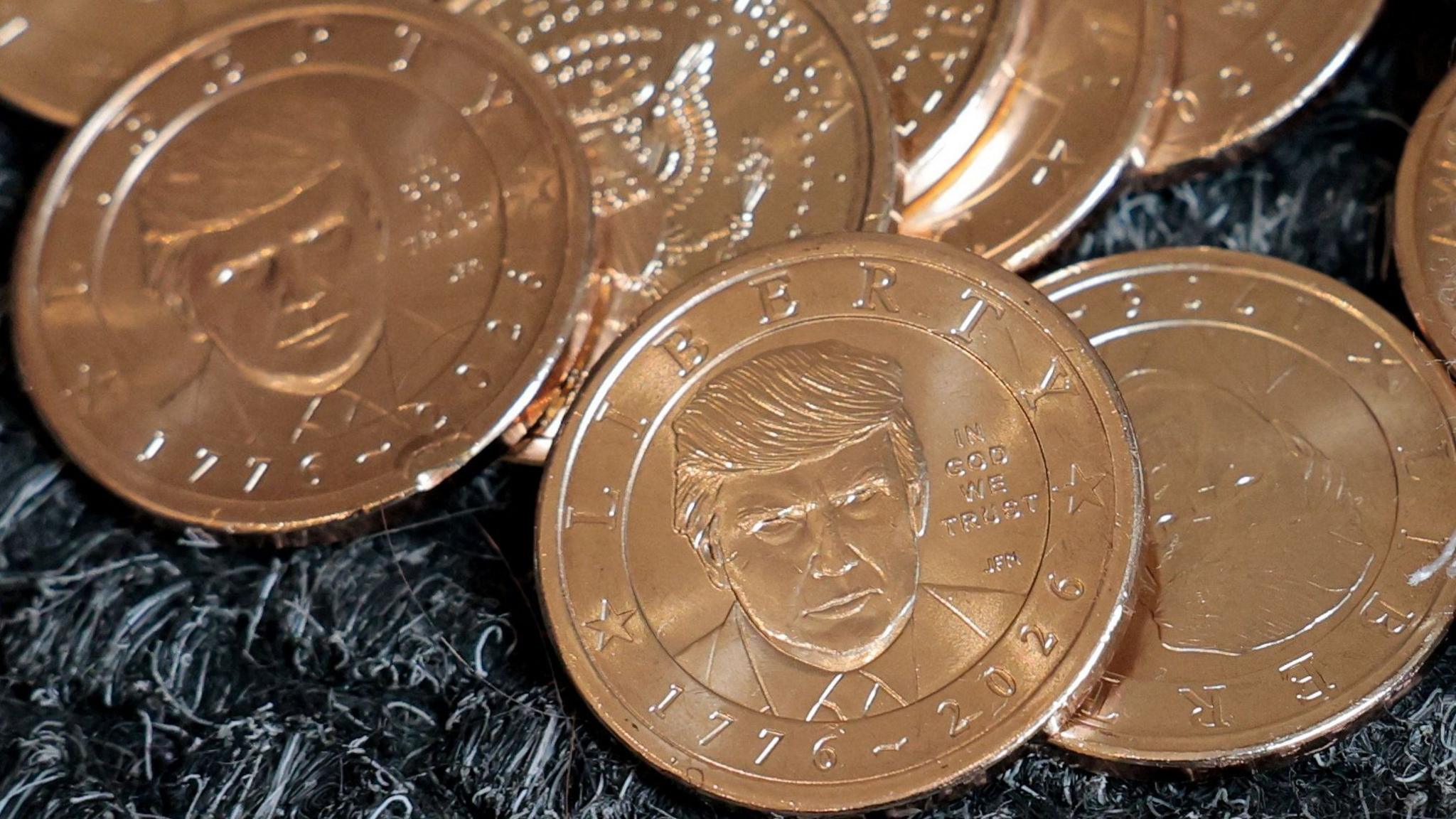
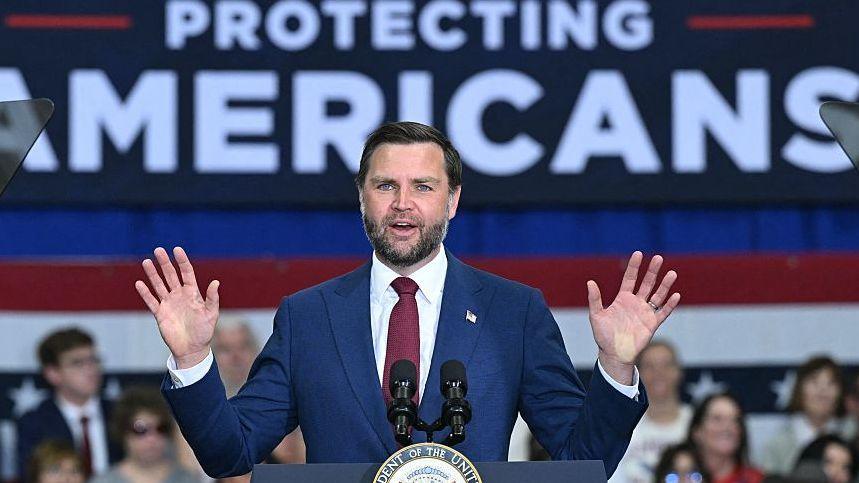
In a surprising move ahead of the 2026 midterm elections, former President Donald Trump announced that every American would receive a $5,000 check – roughly £3,700 – if the Republican Party wins the House of Representatives. The pledge was unveiled in a BBC studio, with no details given on how the money would be sourced or distributed.
The promise, which would theoretically cost the federal budget an almost unimaginable $1.3 trillion, faced immediate criticism from Democrats who termed it an “empty promise.” Legislators and legal experts have begun to ask whether such a nationwide payment is even permissible under U.S. federal law.
BBC North America editor Sarah Smith investigates the legal challenges. A key question is whether the pledge would be classified as a federal gift or an entitlement program, and whether the Treasury could appropriate the necessary funds without violating the separation of powers or budgetary constraints.
Legal scholars note that bills granting nationwide cash payments typically require congressional approval and must be included in a federal appropriation. In the absence of such legislation, the pledge might be seen as an unconstitutional attempt to redistribute wealth without following the constitutional process.
If the proposal were to proceed, it would trigger a complex web of litigations and potential retaliatory actions by the opposing party, possibly culminating in unprecedented judicial scrutiny of a political promise. The practicality of financing a program that would inundate the economy with $1.3 trillion of new money remains doubtful.
As the midterm campaign intensifies, Trump’s pledge will continue to be debated as an example of how electoral promises intersect with political persuasion, fiscal responsibility, and constitutional boundaries. The legal and political ramifications of this proposal underscore the increasing tension between populist outreach and the constraints of the U.S. government system.