In brief
The Republican Party’s first midterm convention unfolded in Dallas with dazzling displays of MAGA zeal and stark absent moderate voices. President Donald Trump delivered a long‑running keynote, warning voters of high fuel costs and the Iran conflict while urging his base to treat him as if he were on the ballot. He unveiled a controversial $5,000 per adult payout plan should Republicans win both chambers. The event left unspoken questions over the GOP’s future leadership and its ability to broaden appeal to swing voters.
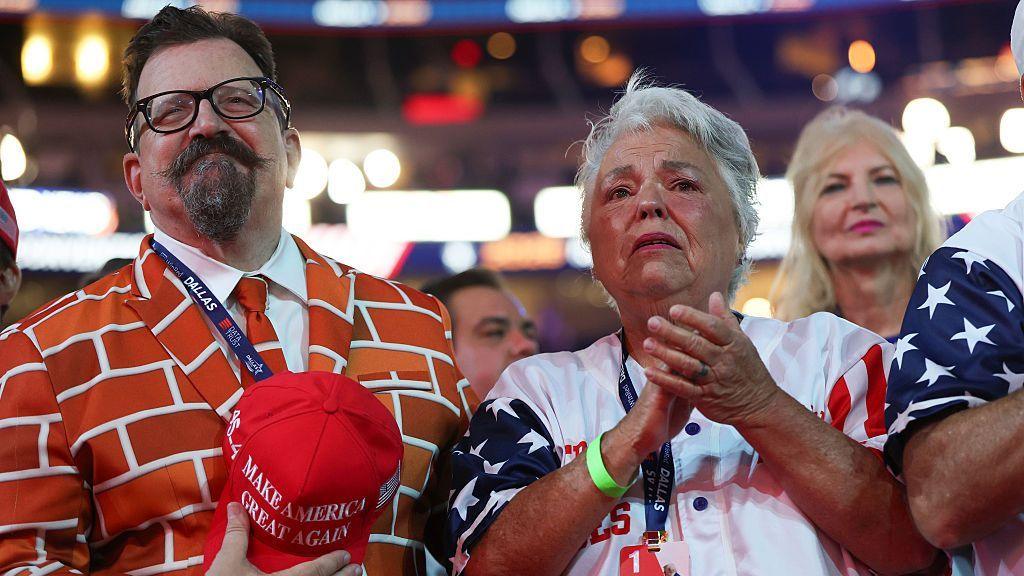
The Republican Party’s inaugural midterm convention carried all the fanfare of a presidential‑year gathering – glittering MAGA gear, hot‑wired speeches, and merchandise stalls – yet it served more as a turnout‑driving rally than official party business.
The Dallas venue, under the glow of partisan banners, welcomed heavy‑shaped Trump loyalists. In contrast, many moderate Republicans, including Senator Susan Collins and candidates in competitive districts, chose to stay away, underscoring the party’s new climate: Trump’s dominance and an absence of a unifying, centrist platform.
President Donald Trump opened the two‑day event with a lengthy keynote. He revisited prevailing themes: high oil prices, the cost of living, and the war in Iran, while reminding attendees that his name is a key driver of Republican turnout. He warned that the president typically has a midterm vote‑down hit, yet instructed supporters to "pretend" he were on the ballot, underscoring his continuing influence.
A signature moment came when Trump proposed a $5,000 per adult subsidy should the GOP simultaneously win the House and Senate. The offer, targeting roughly 270 million adults, could cost the U.S. Treasury $1.3 trillion. Democrats dismissed the pledge as an "empty promise"; legal experts debated its feasibility.
The convention’s key takeaways for observers:
- Preaching to the MAGA choir: The floor was taken by fervent Trump supporters, with little sign of bipartisan or moderate engagement.
- Trump as the staying‑power: The event highlighted the absence of a clear succession plan and raised doubts about the party’s performance absent Trump’s direct presence.
- A gamble on affordability: Trump’s message that high fuel prices would take longer to ease and his framing of the Iran conflict as a necessary pain spoke to a deeper economic argument that may resonate variably with voters.
- $5,000 payout proposal: An unprecedented pledge praised for its audacity but criticized for lacking detail on funding mechanics, monitoring, or legality.
In the lead‑up to November’s elections, the GOP faces the challenge of translating Trump‑driven momentum into broader electoral victories. Whether the party can expand beyond the dedicated base to swing and moderate voters remains the ultimate test of its viability for 2026 and beyond.
Related Topics: United States | Donald Trump | US midterm elections 2026 | US politics | Republican Party | US Congress