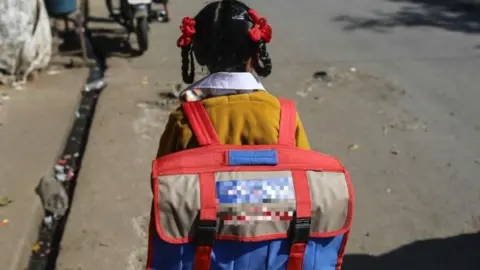
Pooja* was 16 years old when she was accused of murdering her mother. The teenager, who lived with her alcoholic stepfather in a poor neighbourhood in the northern Indian state of Uttar Pradesh, was arrested in 2018 and sent to jail.
Her lawyer informed the police that Pooja was a minor. According to Indian law, she should have been produced before a Juvenile Justice Board (JJB) within 24 hours of her arrest, but this did not happen. Instead of being evaluated by the JJB, Pooja spent six years in an adult prison while her case was heard in an adult court.
“JJBs are designed to oversee the welfare of minors and should regularly check on their conditions in prison, but Pooja's case went unchecked,” stated Yamina Rizvi, her lawyer.
This case echoes the experiences of many children who have been failed by a creaky juvenile justice system. Despite over three decades since the enactment of the Juvenile Justice (Care and Protection of Children) Act, the system still struggles with effective implementation and oversight.
Experts contend that the current frameworks—specifically the JJBs—lack adequate resources and data tracking, resulting in a backlog of cases, insufficient staffing, and infrequent visits to facilities housing minors. The India Justice Report revealed in 2023 that over half of the cases across 362 JJBs went unheard.
Maja Daruwala, editor at the IJR, echoed concerns that a lack of accurate data and oversight inhibits proper rehabilitation, which is crucial for reforming the ideas set forth in the juvenile justice law.
Fr Antony Sebastian, founder of an NGO named Echo, shared that without the oversight of JJBs, children lose both their legal protections and their chances for reform. Today, many juvenile detention facilities are overcrowded and lack basic amenities.
Some innovative approaches show promise; for instance, Echo has implemented vocational training programs that have succeeded in rehabilitating juvenile offenders into productive citizens. One notable case involved a boy named Darshan*, who was enrolled in a vocational training program after being found guilty of murder. With the right guidance and quality care, children like Darshan can reform and re-enter society.
“Every child deserves a second chance,” Fr Sebastian asserts, reminding us of the fundamental duty to offer support and rehabilitation to our youngest offenders, thereby ensuring they have the opportunity to lead a better life in the future. (*Names have been changed to protect identities.)