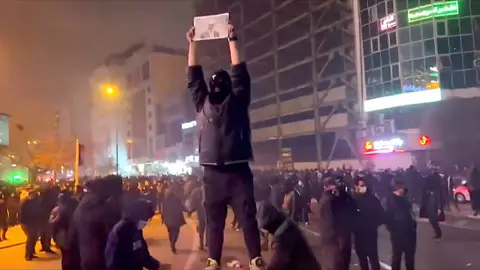
I saw it with my own eyes - they fired directly into lines of protesters, and people fell where they stood. Omid's voice was shaking as he described the violent crackdown in Iran during the recent protests over worsening economic conditions. Naming his city, which will remain undisclosed for his safety, he recounted how security forces used Kalashnikov-style rifles against unarmed demonstrators.
Across the country, similar accounts emerged as protests swelled, particularly following calls from Reza Pahlavi, the exiled son of Iran's last Shah. Eyewitnesses report a chilling atmosphere where fatalities from the clashes surged after ominous warnings from Iranian authorities that they would not back down.
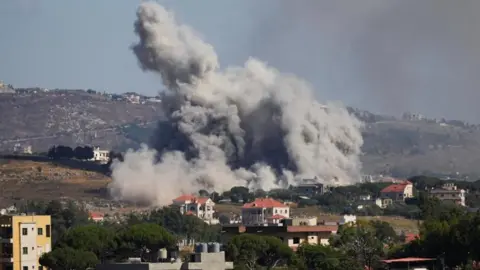
The protests that began as a response to dire economic straits soon escalated into calls for political reform, leading to violent confrontations with the authorities. Reports of increased fatalities have left many in shock, as numbers vary widely between local sources and official statements, suggesting a death toll that could exceed six hundred.
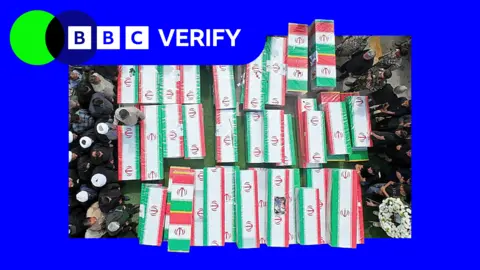
Graphic multimedia evidence shows the harrowing aftermath of the violence, including images of bodies in morgues and anguished families attempting to identify the deceased. The Iranian regime faces mounting pressure, not just internally but also from the international community calling for accountability amidst the chaos.
As security forces continue their crackdown, many citizens find their voices stifled, resorting to protests from the safety of their homes. The fear that envelops the streets serves as a stark reminder of the risks those who challenge the regime face.
With access to communication increasingly restricted, and independent journalists barred from reporting within the nation, the true extent of the humanitarian crisis remains clouded, necessitating urgent attention from global entities.