Wave of Anti-Government Protests Erupts Across Iran
Protests have broken out in at least 17 of Iran's 31 provinces, presenting the largest challenge to the country's clerical establishment since 2022, a BBC Verify and BBC Persian analysis has found.
The BBC's analysis of protests includes only those for which we have verified video footage - the true number is almost certainly far higher. There are reports of protests in a further 11 provinces.
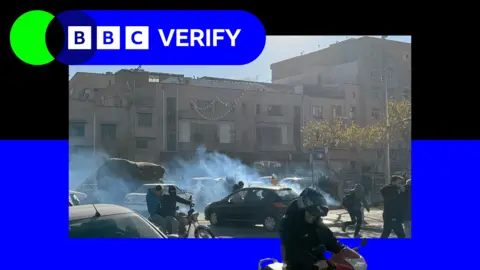
The wave of protests has spread rapidly across Iran since 28 December, when anger initially broke out in the capital Tehran following a fresh and sharp devaluation of the country's currency against the dollar and other major foreign currencies.
Verified footage from the last 10 days shows evidence of anti-government demonstrations and gatherings in more than 50 towns and cities across the country, including in several regions previously perceived as being highly loyal to the state.
Authorities have traditionally used violence to crush unrest. During the 2022 protests - sparked by the death in custody of Mahsa Amini, a young woman who had been detained in Tehran for wearing improper hijab - more than 550 people were allegedly killed by security forces, according to human rights groups.
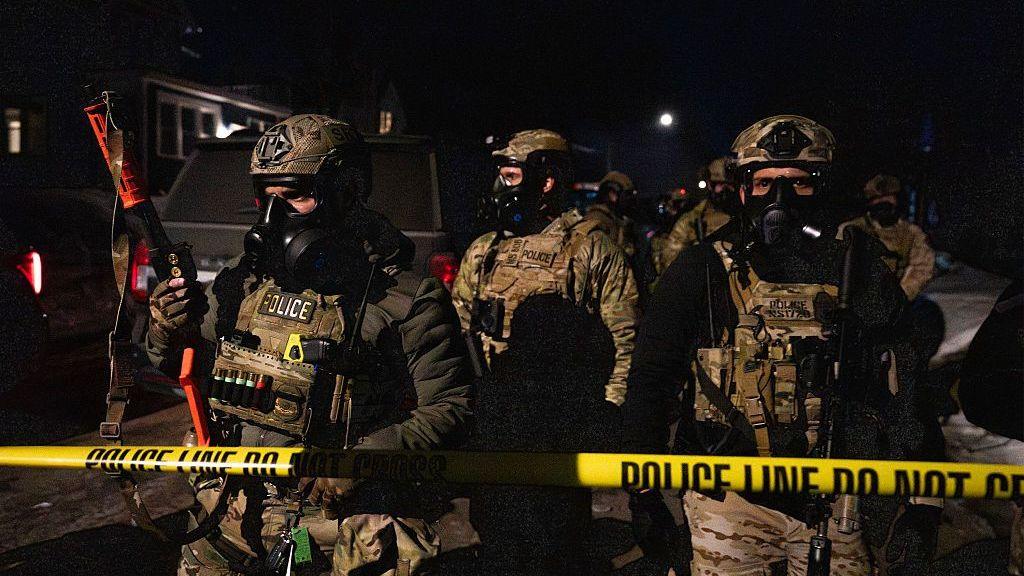
In the past few days, the response by police and security forces has initially appeared more restrained, but verified footage has shown an increase in the use of force since Saturday, coinciding with Supreme Leader Ayatollah Ali Khamenei's statement that rioters must be put in their place.
Despite the ongoing unrest, experts state that while the protests are widespread, they are not yet seen as an existential threat to the state due to the loyalty of security forces. Observers note that the protests are mainly fueled by long-standing grievances around economic mismanagement and corruption, but advocates for reform are calling for a significant shift within the Iranian political landscape.