In brief
Despite significant investments aimed at modernizing India's infrastructure, major cities face overwhelming issues such as toxic air, traffic congestion, and ineffective waste management. Protests from residents highlight a growing discontent with the urban decay, prompting discussions on governance and accountability. As India's urbanization accelerates, the pressing need for systemic change becomes clearer.
During a recent visit to Jaipur, I was struck by the stark contrast between the city's historical grandeur and its current disheveled state. A local taxi driver humorously suggested that for the royal charm of Jaipur, one should simply buy a postcard, reflecting a deep-seated resignation towards the city’s decline.
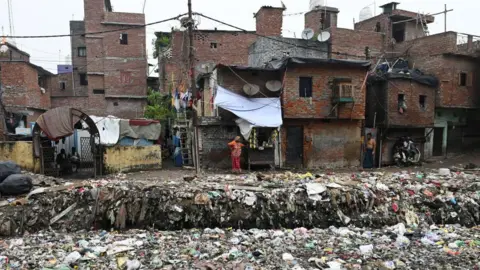
In cities across India, traffic congestion, polluted air, and rubbish-strewn streets are becoming a common sight. This urban decay begs the question: why are Indian cities becoming increasingly unliveable despite substantial government spending on infrastructure?
The Modi administration has pushed for ambitious infrastructure projects, including new airports and metro systems. Yet, as frustrations boil over in cities like Bengaluru and Mumbai, many residents are questioning the effectiveness of these developments. The financial capital has seen public protests against deteriorating road conditions, while Delhi grapples with severe air pollution that endangers health.
Experts attribute the decline in livability to inadequate governance structures that fail to empower local bodies. The 74th amendment aimed to decentralize urban governance, yet many reforms remain poorly implemented, creating a significant gap between the needs of the urban populace and the powers of elected representatives.
The lack of accountability and weak local governance hampers responsive urban management. Unlike in China, where city officials often have the authority to make impactful decisions, Indian city leaders struggle against a backdrop of limited resources and bureaucratic inertia.
As India seeks to manage a rapidly urbanizing population, evident challenges such as data deficits regarding urban demographics further complicate effective policy-making. The dense overlay of political, administrative, and social problems invites a historical reckoning on the pressing need for reform.
Time will tell if the cycles of realization that spur necessary change will be mobilized, just as London transformed its infrastructure after the Great Stink of 1858. However, as it stands, the future of urban India remains shrouded in environmental and governance challenges.