Greenlanders Voice Concerns Amid Geopolitical Tensions
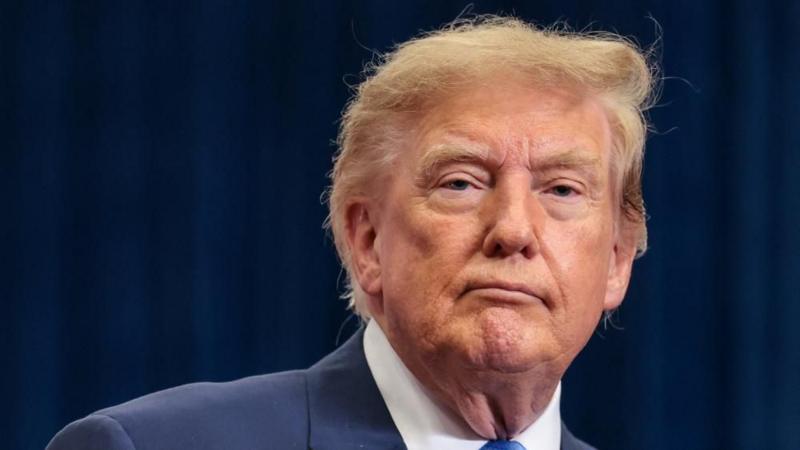
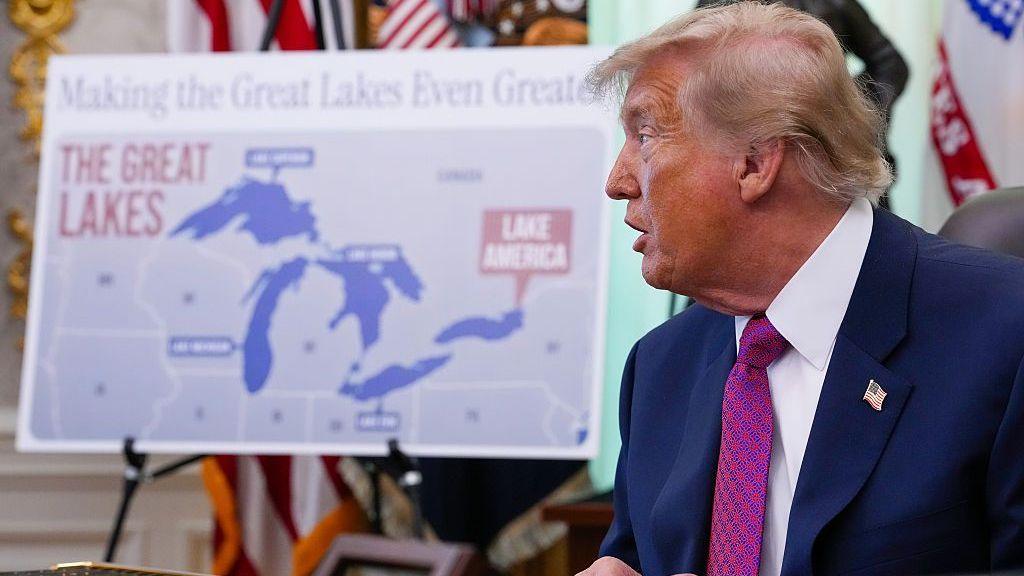
In a time of geopolitical uncertainty, Greenland finds itself under an uncomfortable spotlight as U.S. Secretary of State Marco Rubio prepares to meet with Danish and Greenlandic officials. At stake is the future of the vast semi-autonomous territory, with President Trump suggesting it is necessary for national security purposes.
The picturesque landscape of Greenland — a stunning mix of icebergs and shimmering fjords — belies the unease felt by its inhabitants. The island, larger than the United Kingdom but with just 57,000 residents, is home primarily to the indigenous Inuit people. Many of these locals feel the threat of Trump’s intervention looms larger than the serene beauty surrounding them.
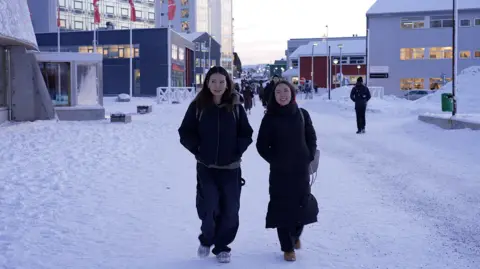
Amidst this backdrop, sentiments vary from deep fear to a deep desire for autonomy. Many Greenlanders express their frustration over their desires being overlooked by both the United States and Denmark. A pensioner speaking to the media emphasized the importance of keeping foreign flags out of the capital, Nuuk, which has become a focal point for local and international discourse.
Despite their fears surrounding potential U.S. military incursion following Trump's past statements on acquiring Greenland, the sentiment on the streets is one of wanting to be left alone. The young pottery-maker, Pilu Chemnitz, articulated this shared sentiment, expressing fatigue with the turmoil surrounding the island's attachment to powerful nations.
Discussions around the path to independence loom large in the minds of locals, with pro-independence representatives like Pipaluk Lynge-Rasmussen championing the need for Greenland to carve its place amongst global powers while maintaining a robust dialogue about its rights. With the next meeting between U.S. diplomats and Greenlandic officials approaching, hope blends with anxiety for a future where Greenlanders may be seen as active participants in governing their own fate.