MINNEAPOLIS (AP) — Following a tragic incident where a 37-year-old woman was shot and killed by an Immigration and Customs Enforcement (ICE) officer, tensions are soaring in Minnesota. This incident coincides with aggressive actions from the Trump administration aimed at enforcing immigration laws in blue states.
While President Trump has been targeting various liberal strongholds, Minnesota finds itself at the center of controversy—particularly in light of the state's historical conflict with his administration post-George Floyd's death in 2020. The shooting of Renee Good during a protest against federal ICE raids has left many residents unsettled, recalling the turmoil that enveloped Minneapolis during the Floyd incidents.
Government officials claim more than 2,000 federal officers are being dispatched to the Twin Cities to implement what is billed as the largest immigration operation in U.S. history. However, local residents like Stephanie Abel, a Minneapolis nurse, are concerned about the government's approach. 'What are they going to try to do to get Minneapolis to ignite?' she questioned amidst rising fears of unrest.
The controversy has escalated as Trump continues to provoke Minnesota, especially targeting its Somali community as part of a narrative accusing them of fraud and misuse of federal funds. Following allegations linked to a COVID-19 fraud investigation, Governor Tim Walz announced he will not seek re-election, asserting the toll such a relentless federal approach has taken on state citizens.
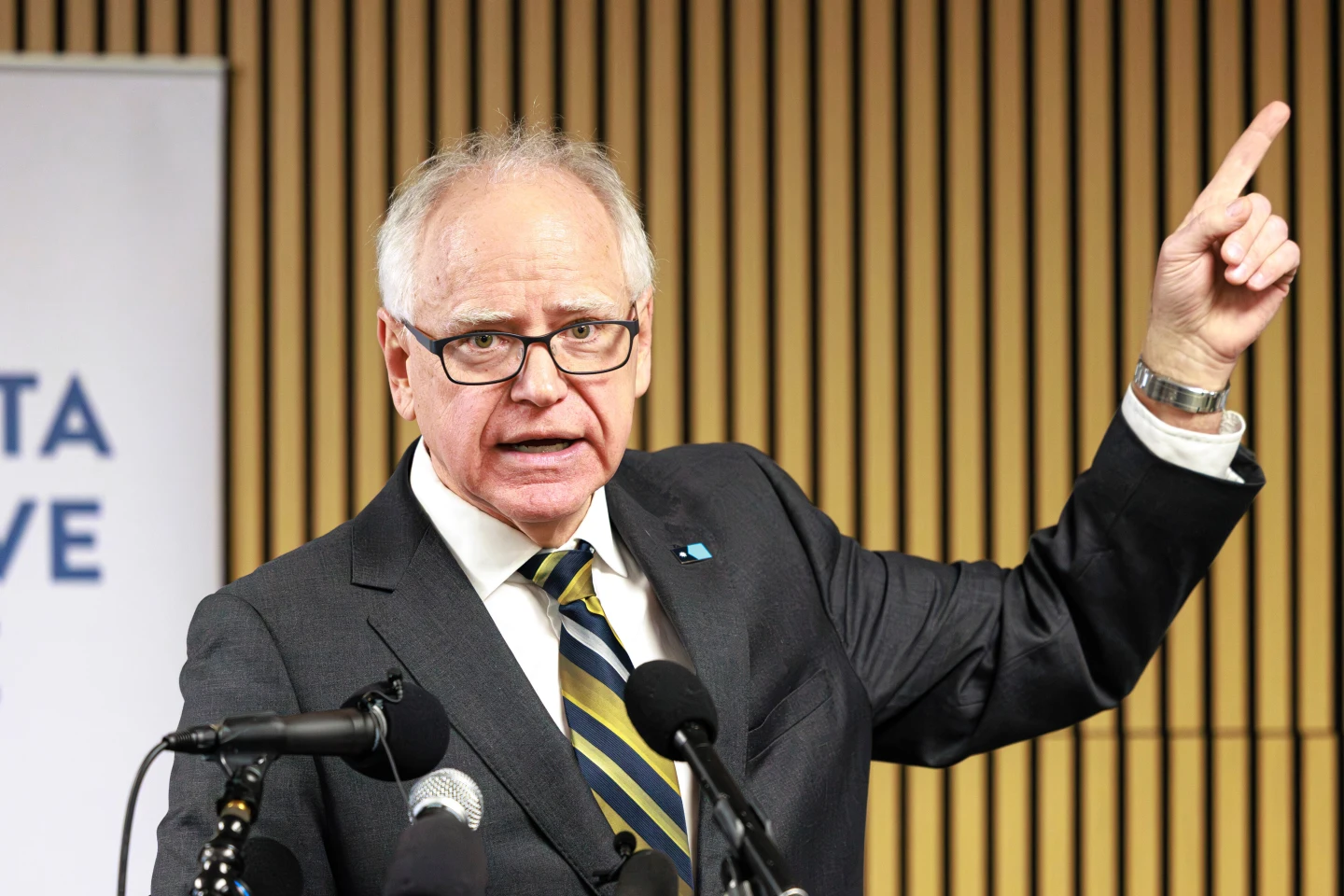
By highlighting Minnesota, a state that has expanded its safety net and liberal policies, the Trump administration aims to create an image of fraud that critics deem unfounded. The community is left grappling with federal intimidation that has residents calling for an end to the 'assault' on their state. 'Leave our state alone,' Governor Walz implored during a recent news conference.
As unrest looms and schools close due to clashes between high school students and immigration agents, experts say Minnesota serves as a microcosm for broader national tensions. The political polarities evident in the state reflect deeper societal divides, compelling citizens to plea for a reprieve from federal transgressions.