In brief
A federal court has halted Alabama's attempt to redraw congressional districts late in the election cycle, affecting the state's seat that the GOP hopes to reclaim. The injunction, brought forward by black‑voter advocates following a prior finding that the state’s map discriminated against Black voters, keeps the current districts in place for the November 2026 election. The decision reflects broader national litigation surrounding the Voting Rights Act, as other southern states—including Louisiana, Tennessee, and South Carolina—are also pursuing redistricting plans that favor Republicans. Alabama’s Republicans may challenge the ruling directly to the Supreme Court. Meanwhile, affected districts could still shift later, depending on pending appeals and litigations, highlighting a wider partisan battle over district boundaries in the wake of the Supreme Court’s decision to weaken portions of the Voting Rights Act.
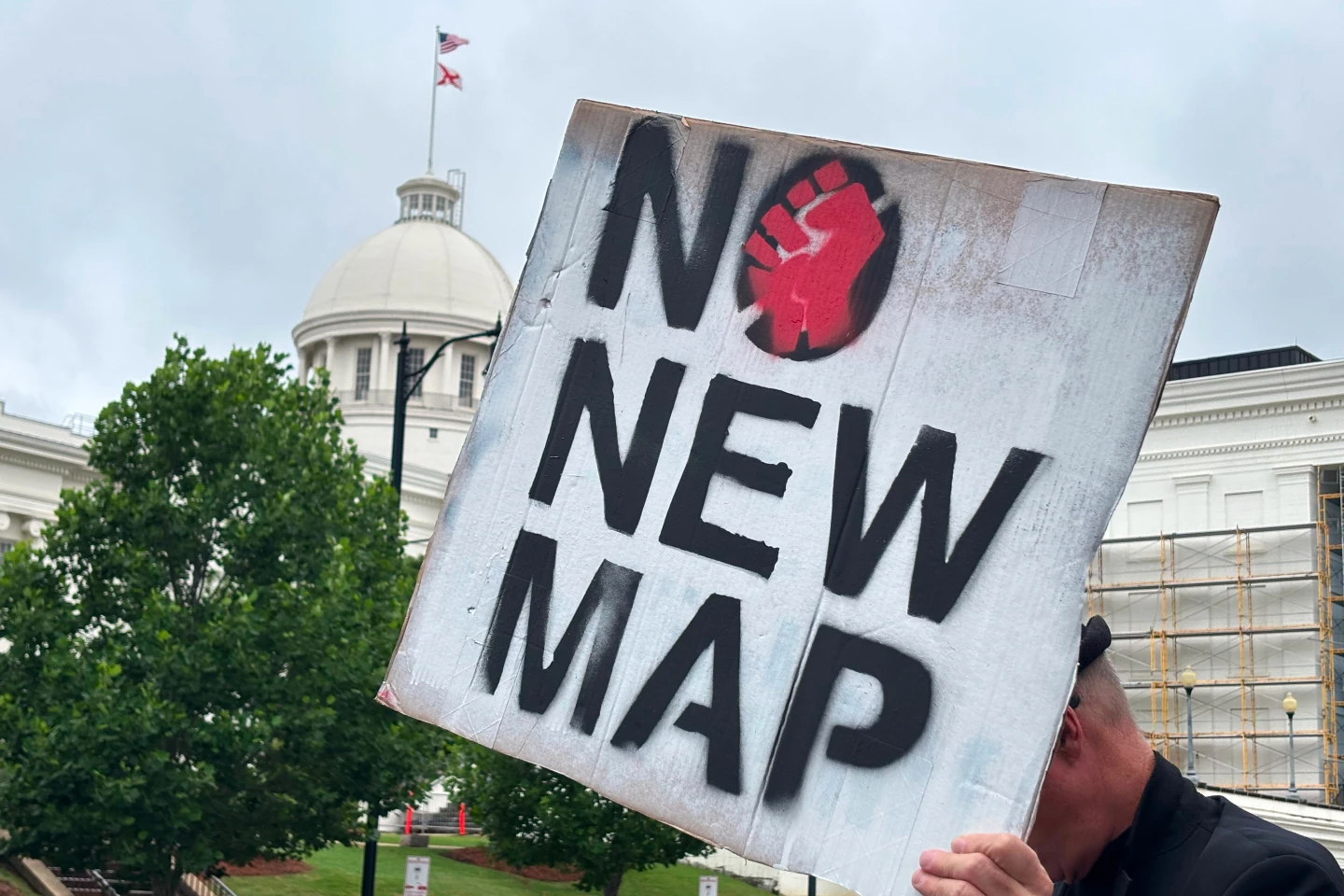
Federal judges on Tuesday temporarily blocked Alabama’s plan to use a new congressional map that could give Republicans an advantage in a key U.S. House race in the mid‑term elections.A three‑judge panel in the state’s long‑running redistricting case issued a preliminary injunction that prevents the state—at least for now—from switching maps. The court requires Alabama to continue using the same court‑ordered districts under which congressional representatives were elected in 2024.Lawyers representing Black voters filed the injunction after the same panel found the state map intentionally discriminated against Black voters in 2023. They argued Alabama was creating chaos by attempting to redraw lines during an election year.The ruling is a defeat for state Republicans who wanted a map that would give the GOP a better shot at reclaiming the seat now held by Democratic Rep. Shomari Figures. The state could appeal to the U.S. Supreme Court.The order is part of a larger political and legal saga triggered by a Supreme Court decision that struck down a Black‑majority district in Louisiana and weakened certain protections in the federal Voting Rights Act.That ruling has prompted Republican‑led legislatures in several Southern states—Alabama, Louisiana, Tennessee, South Carolina, and Texas—to pursue new congressional district maps that would favor Republicans.In Louisiana, the GOP–controlled legislature postponed its May 16 primary to give lawmakers time to drop a majority‑Black district that had elected a Democrat.South Carolina lawmakers are considering a plan that would discard votes from its June 9 primary and instead hold a new primary in August under a revised map that could improve Republican prospects.Tennessee swiftly carved up a Black‑majority district based in Memphis, creating nine new districts that give Republicans a chance to win every seat. The state reopened the qualifying period for its August primaries, allowing new candidates to enter the race and existing ones to switch districts or withdraw.Since President Trump urged Texas to redraw its districts last summer, about half a dozen Republican‑led states have enacted new voting districts, though some face legal challenges. Democrats have countered with new districts in California and expect to gain a seat in Utah from court‑imposed maps.The Alabama injunction underscores how a national Court decision is reshaping political mapmaking and how parties are racing to secure electoral advantages before the November elections. The state’s legal challenge will likely culminate in a Supreme Court review, while voters across the South brace for further changes to their congressional boundaries.\