RALEIGH, N.C. (AP) — North Carolina’s photo voter identification law was upheld on Thursday, as a federal judge set aside arguments by civil rights groups that Republicans enacted the requirement with discriminatory intent against Black and Latino voters.
The decision by U.S. District Judge Loretta Biggs is a huge legal victory for Republican legislative leaders who passed the law in late 2018 — weeks after voters approved a constitutional amendment backing the idea.
North Carolina state Senate leader Phil Berger stated that with Biggs’ decision, “we can put to rest any doubt that our state’s Voter I.D. law is constitutional.”
Biggs presided over a non-jury trial filed by the state NAACP and local chapters, arguing that the ID requirement violated the U.S. Constitution and the federal Voting Rights Act. The NAACP claimed that the law was designed to entrench Republican political power by discouraging Democratic voters from participating in elections.
Republican lawmakers countered by stating that their voter ID law is one of the most permissive in the country and that the requirement is race-neutral, providing more categories of qualifying ID compared to a previous voter ID law struck down in 2013.
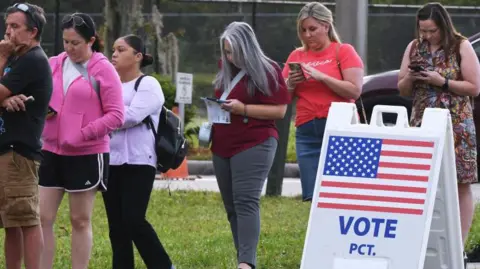
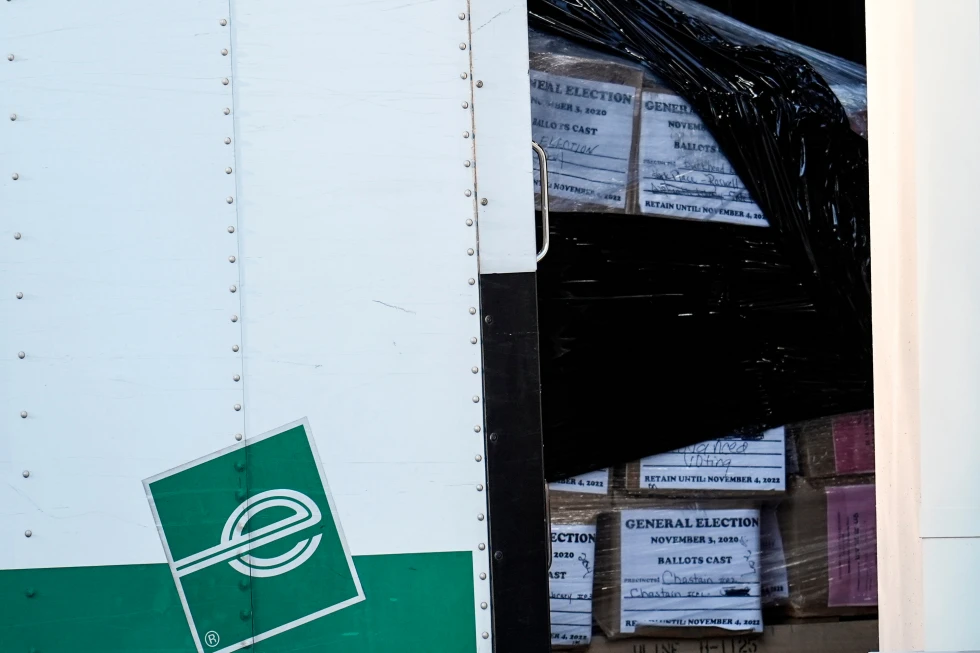
The ruling indicated that even while the law has faced legal controversy, it has been implemented during the 2023 municipal elections. Biggs noted evidence suggesting a disproportionate burden on Black and Hispanic voters who may lack the necessary ID, yet cited prior court rulings that required the law to be upheld.
State NAACP President Deborah Dicks Maxwell expressed disappointment at the ruling, emphasizing the ongoing barriers that such laws impose on voters of color. No decisions have been made regarding an appeal from the civil rights groups.
The law continues to allow free ID cards at county election offices and the Division of Motor Vehicles, and provisions exist for voters unable to present ID on Election Day.