With control of Congress on the ballot in November, state attorney general races can often get lost in the shuffle. However, beyond the election spotlight, partisan groups, corporate interests, and advocacy networks are ramping up campaigns for offices that continue to play an increasingly influential role in American politics.
Republican organizations dedicated to attorney general races reported raising a record $29 million last year in preparation for the 2026 midterms, while their Democratic counterparts raised $28 million—a substantial increase considering the usual pace of fundraising at this time.
With 30 seats on the ballot this year, the influx of cash is coming from technology firms, tobacco companies, and various other stakeholders that may come under the potential scrutiny of state’s top legal officers. This funding also reflects the position’s growing stature in national policy and as a launchpad for higher office.
James Tierney, a former Maine attorney general and current educator at Harvard, stated, “Because we try to solve so many of our problems with lawsuits, the office of attorney general has become more important.”
Political Benchmarks for Attorneys General
This year, at least six current attorneys general are running for governor. Notably, ten current governors entered office after serving as attorney general, including three who were elected in 2024.
The political clout of state attorneys general has increasingly captured the attention of donors. Adam Piper, executive director of the Republican Attorneys General Association, noted, “The AGs used to be the underdogs in the races for top-of-the-ballot offices; now, they’re the favorites in them.”
Key races are emerging in swing states that saw Democratic victories in 2022, such as Arizona, Michigan, Nevada, and Wisconsin. Conversely, Democrats aim to capture seats in traditionally Republican Georgia, Kansas, and Ohio, while Republicans have set their sights on potential wins in Minnesota and New York.
Texas Attorney General Race Heats Up
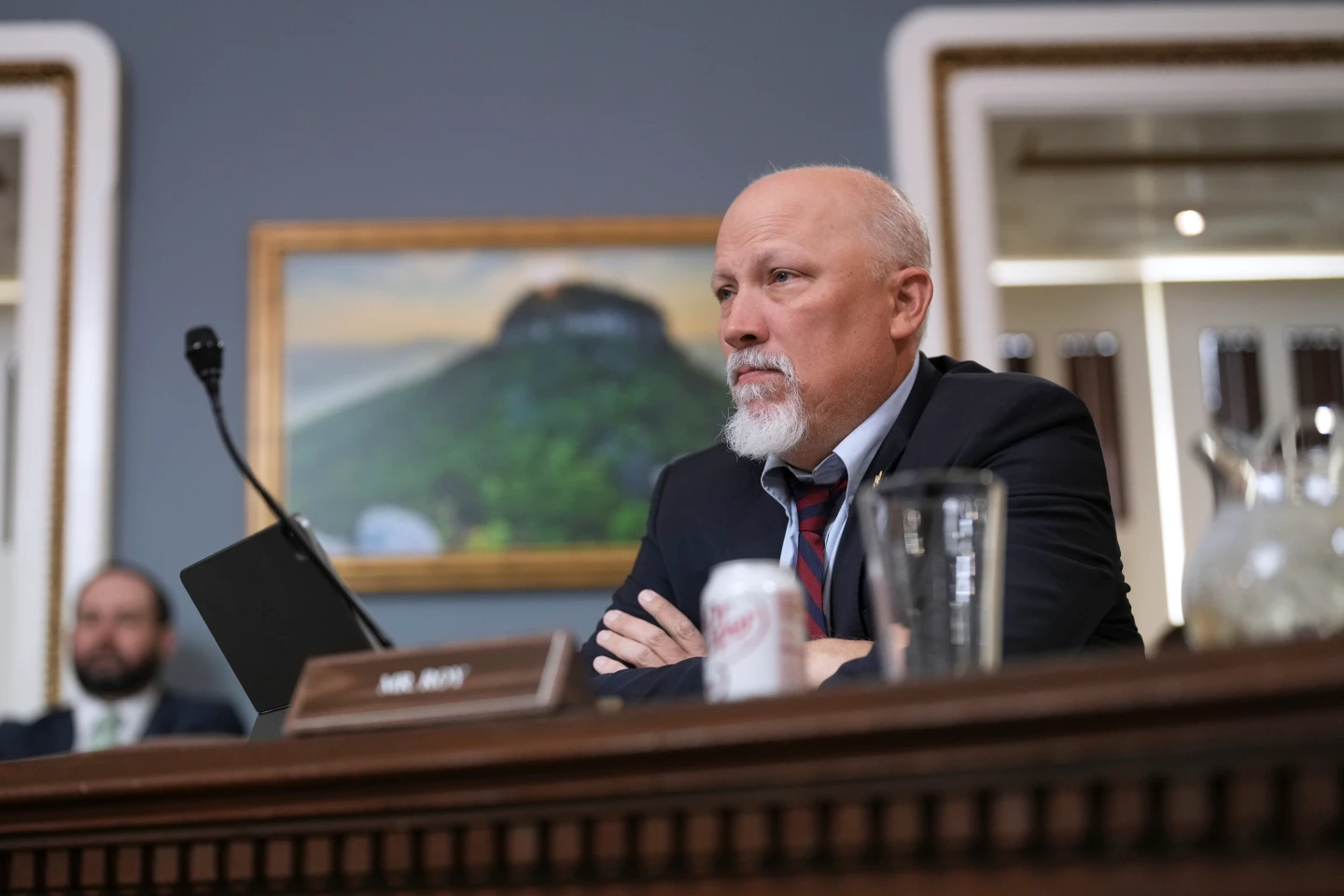
In Texas, U.S. Representative Chip Roy is contesting the party nomination for attorney general against state Senator Mayes Middleton. The current officeholder, Ken Paxton, is also in the spotlight as he seeks the GOP nomination for U.S. Senate.
Having made headlines for his aggressive investigations on issues such as gender-affirming care and abortion, Paxton’s tenure sets a dramatic stage for the ongoing campaign.
Both Roy and Middleton have positioned their campaigns around halting what they characterize as the “Islamification” of Texas, indicating a strong partisan slant to their rhetoric.
The upcoming Republican primary will significantly impact the Democratic contender, who will emerge from a runoff between state Senator Nathan Johnson and former Galveston Mayor Joe Jaworski. A Democratic victory here would be unexpected.
The Legal Frontier Against Trump's Administration
In a notable legal case, 24 Democratic officials, including 22 attorneys general and two governors from Republican-led states, filed a lawsuit against the Trump administration over tariffs imposed on imports after a previous version of these penalties was struck down by the U.S. Supreme Court.
To date, Democratic attorneys general have filed over 80 lawsuits against the administration, often finding success in a majority of these cases. Sean Rankin, president of the Democratic Attorneys General Association, asserted his members are “the only lever to hold Trump accountable” amidst a compliant Republican-controlled Congress.
Impact of Arizona's AG on Federal Relations
Arizona Attorney General Kris Mayes, who narrowly won her position in 2022, has stated that the lawsuits her office has joined—38 in total—have saved the state approximately $1.5 billion.
Her Republican challenger, Rodney Glassman, argues that Mayes' legal challenges are politically motivated and have unnecessarily targeted Republicans. He has made it a campaign promise to halt prosecutions involving individuals linked to Trump's attempts to overturn the 2020 election results.
A Republican victory in Arizona could embolden assertions of voter fraud among Trump's supporters, potentially impacting the integrity of future elections in the state.