Ethiopia warns Eritrea it will defend itself after troops cross the Tigray border.
Ethiopia’s foreign minister, Gedion Timothewos, described the Eritrean incursion as an “all‑out invasion” and a “blatant act of aggression” that triggers the country’s inherent right to self‑defence. He sent a letter to the UN Security Council seeking support and solidarity.
Eritrea’s Information Minister, Yemane Gebremeskel, dismissed the accusations, claiming the situation is an “unprovoked war of aggression” by its neighbour.
The clash follows the recommencement of fighting two weeks ago between the Ethiopian government and the Tigray People’s Liberation Front (TPLF). Both sides blame the other for violating a 2022 peace deal that ended a two‑year civil war.
Ethiopia alleges Eritrea supports the TPLF, a charge Eritrea denies. The war has a long history: Eritrea was a key ally of Ethiopia during the civil war but relations deteriorated after Ethiopia’s Prime Minister, Abiy Ahmed, pursued control of an Eritrean Red Sea port.
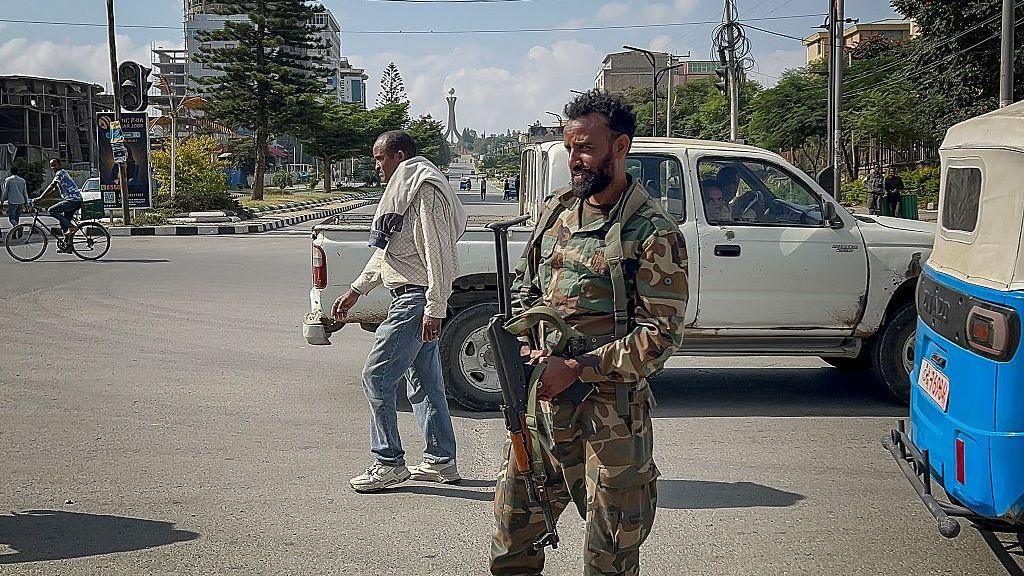
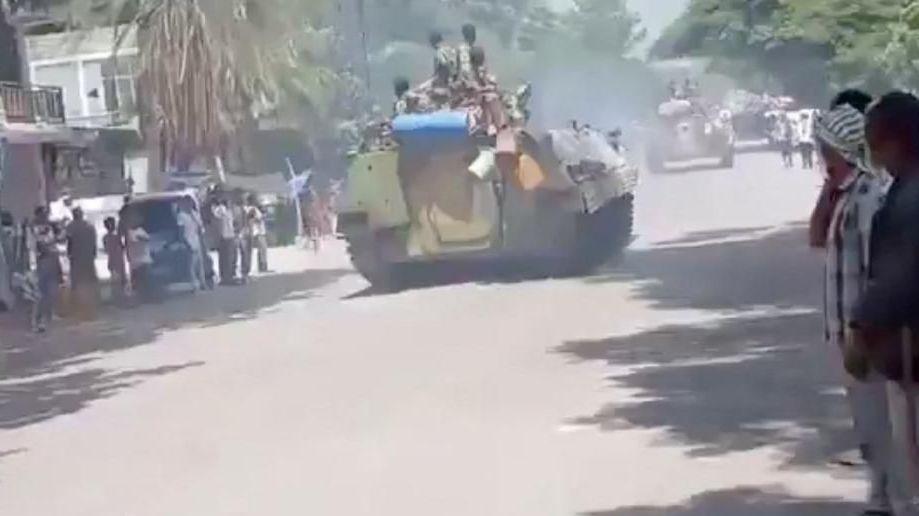
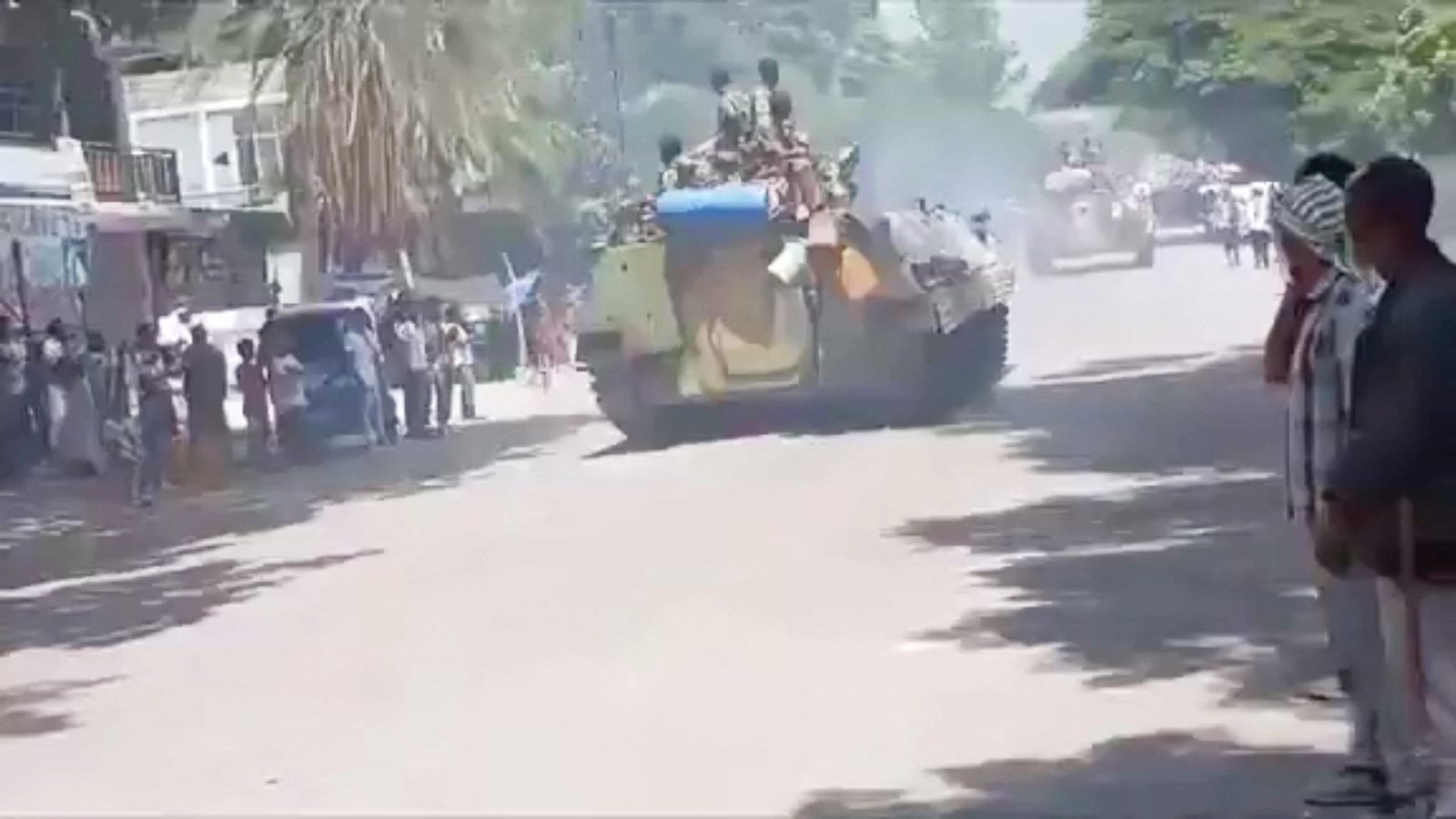
According to the Ethiopian foreign minister, Eritrean forces had advanced up to 60 km (37 miles) into Tigray. Drone strikes reportedly targeted these forces in the Tigrayan town of Adigrat on Wednesday and Thursday, raising fears of a wider regional conflict.
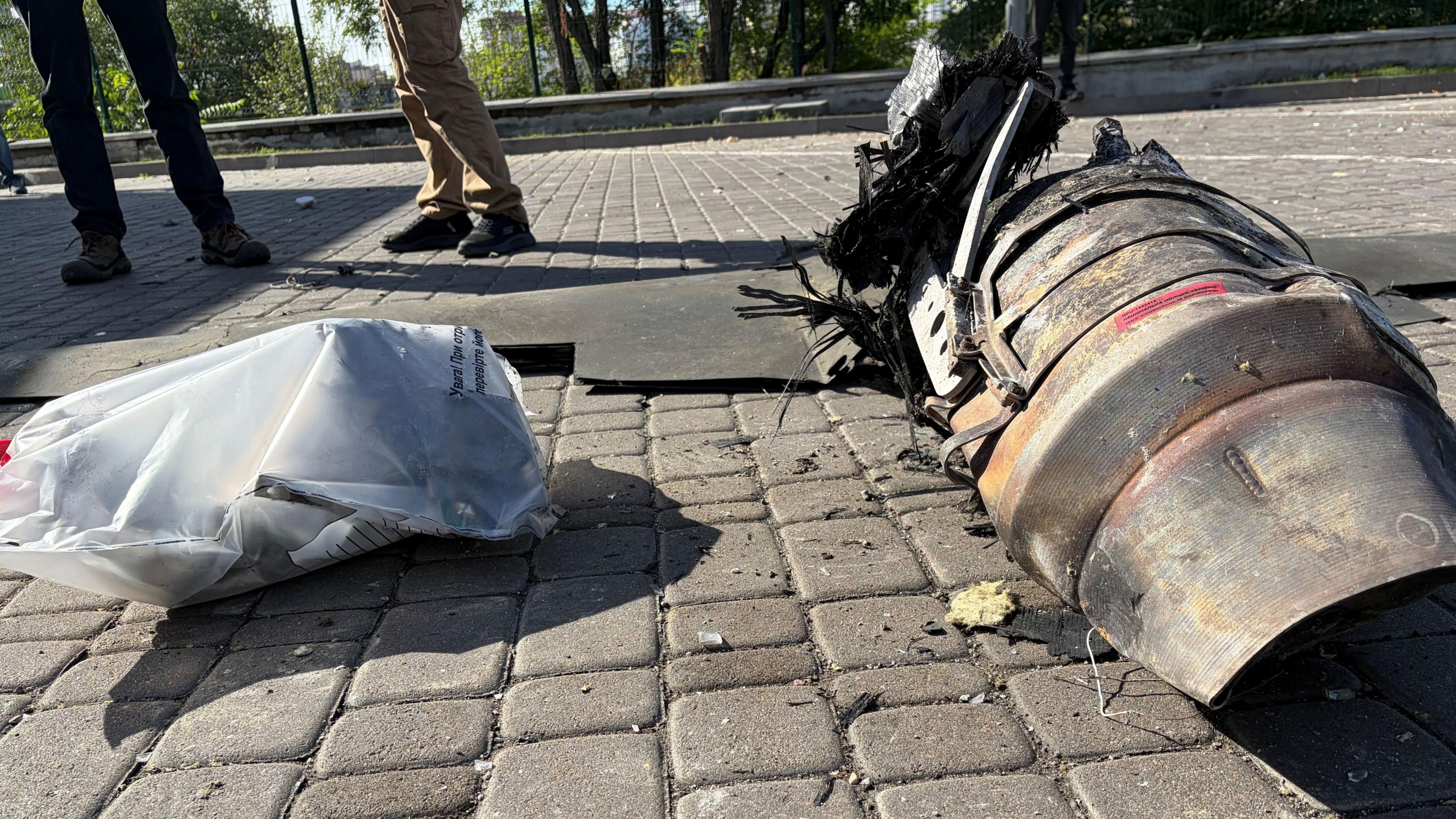
Conflict monitoring group ACLED reported overnight “multiple drone strikes” hit Eritrean troops and ammunition in Adigrat. AFP witnesses described heavy drone activity and destroyed lorries, with indications that Eritrean units may be retreating northward.
There are yet no verified casualty reports, and the BBC cannot report from Tigray. The UN, regional actors and the international community watch closely as Ethiopia and Eritrea sever diplomatic ties and the situation escalates.