Kyiv families head for warmth: life in hiding as winter looms
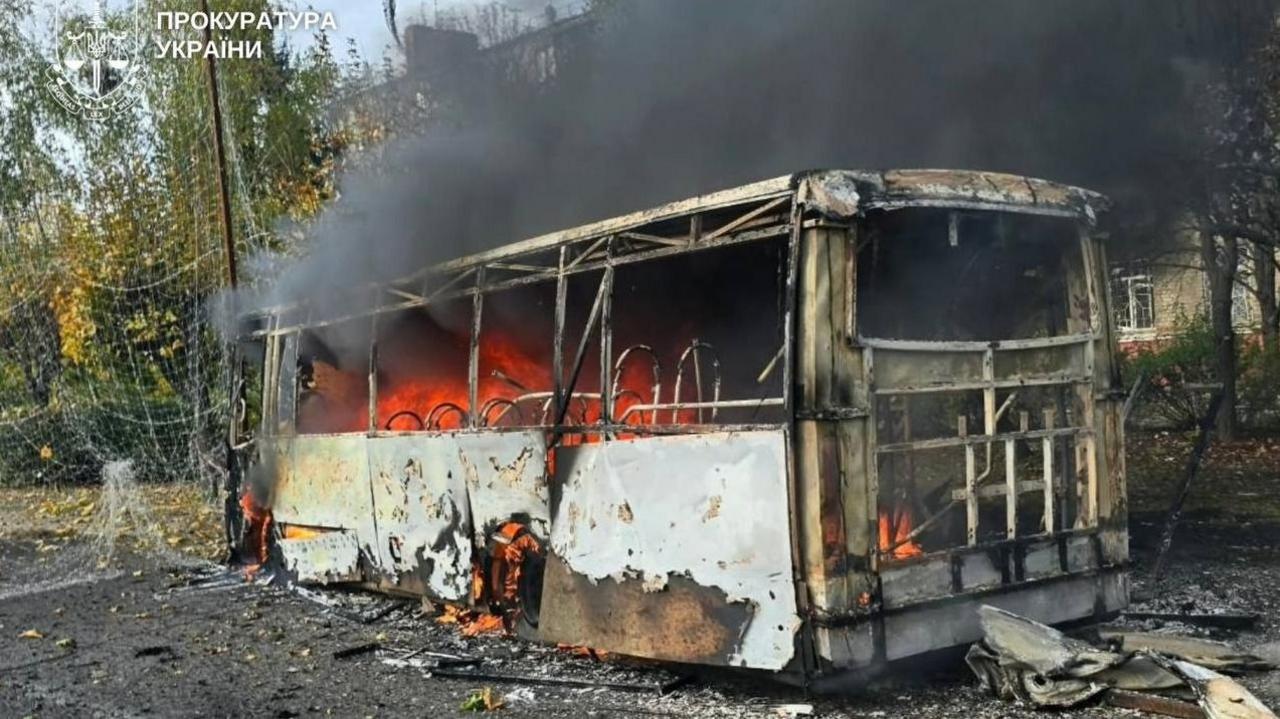
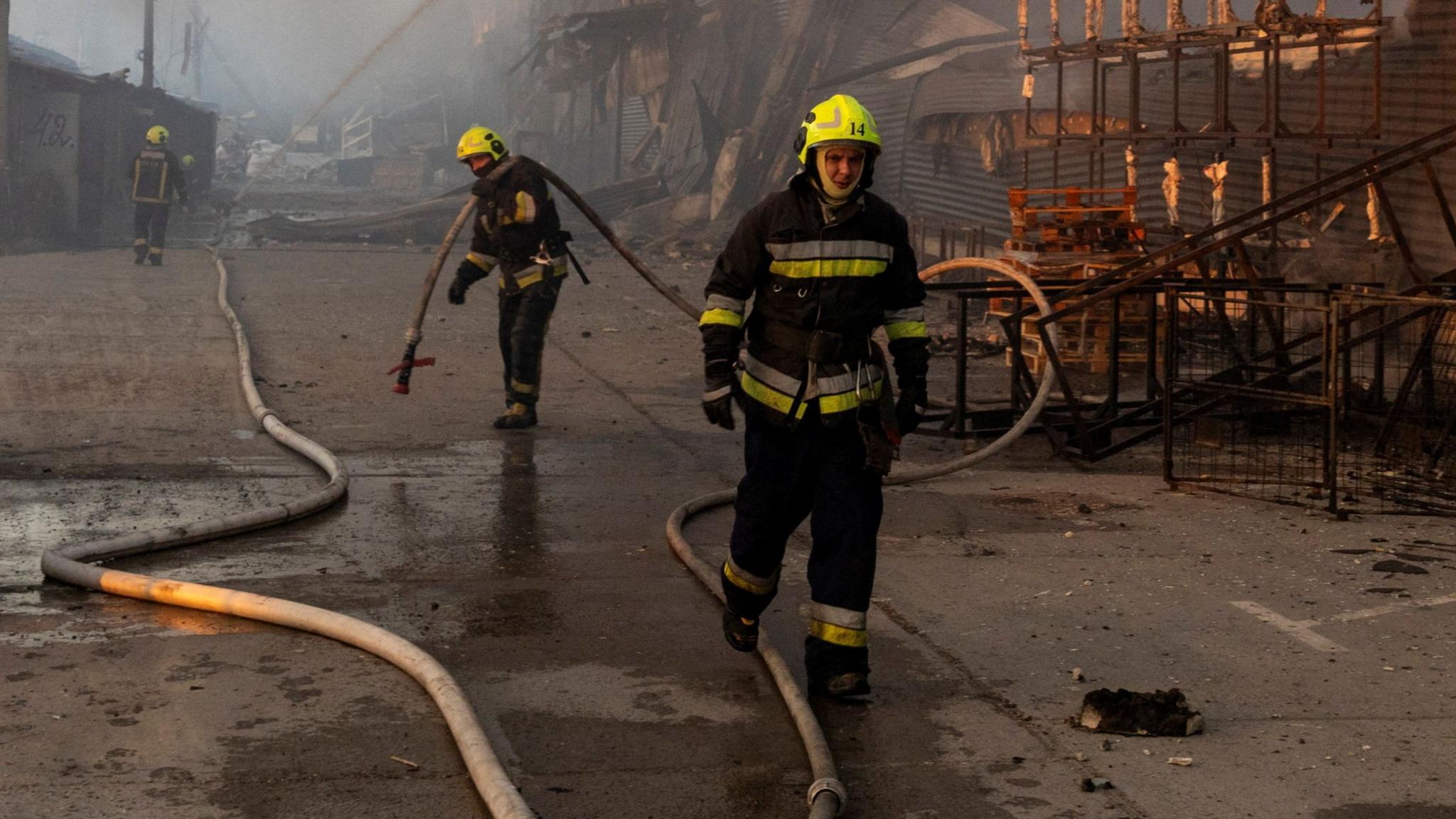
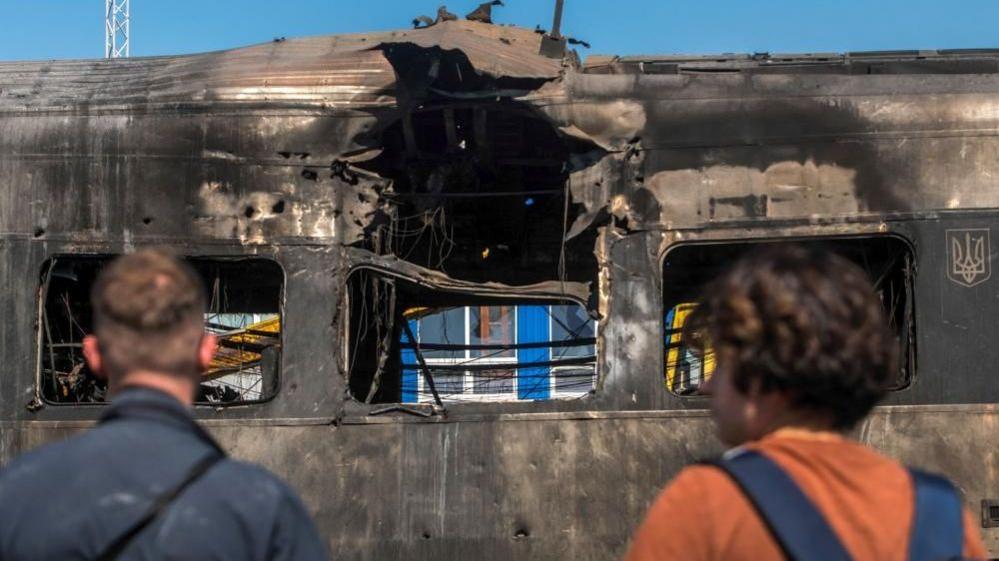
As Russia's attacks on Ukraine's cities intensify and autumn's cooler temperatures hint at another tough winter to come, Ukrainians are wrestling with the twin challenges ahead: Russian drone and missile strikes and the biting cold.
It was a very difficult winter last year in Kyiv, says Mariia Shostak, a mother of two, now packing her bags to leave her small flat. With sub‑zero temperatures and frequent power cuts caused by attacks on the national grid, last winter was the hardest so far.
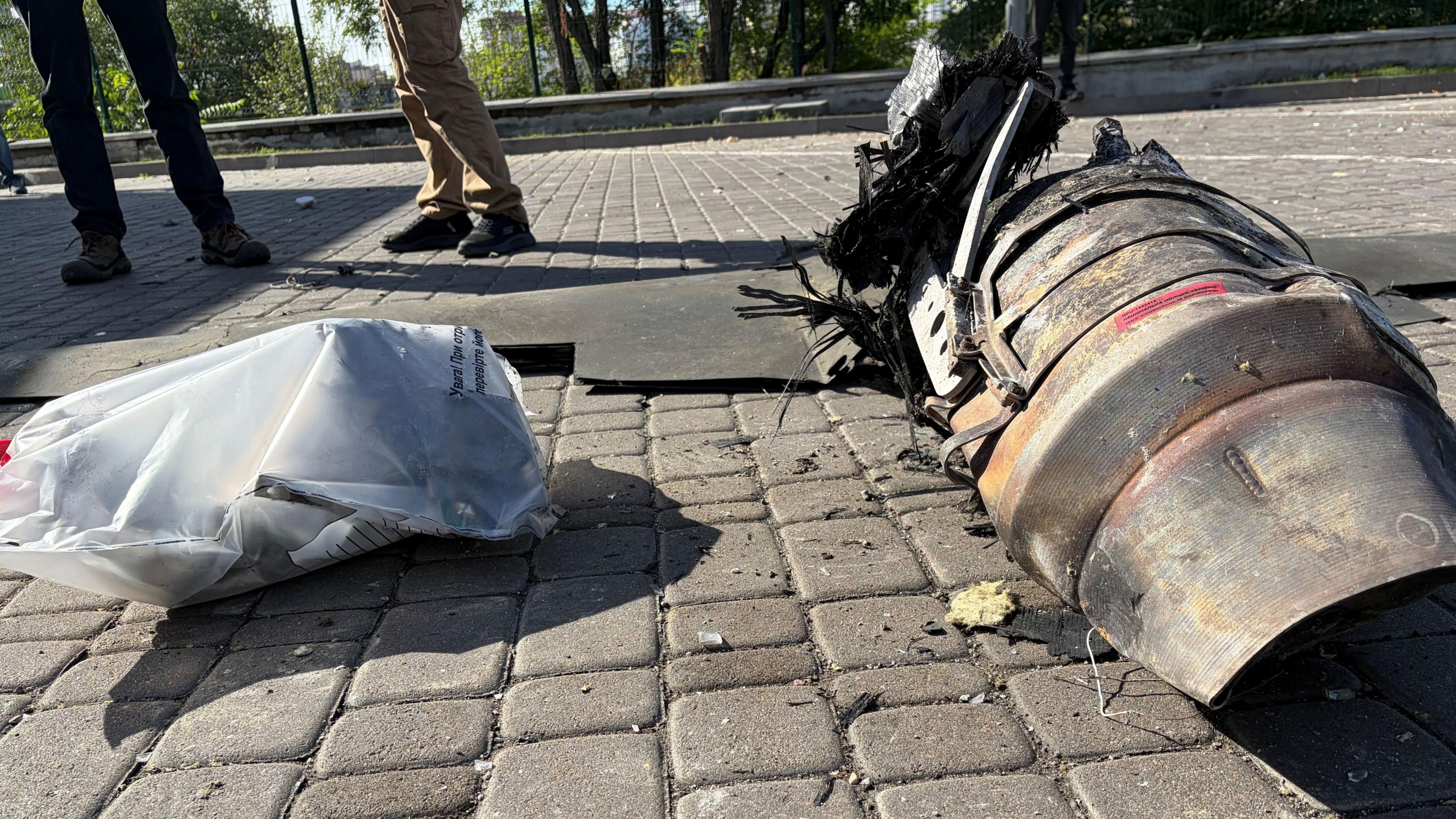
She says the attacks changed on late August and early September, when Kyiv was bombarded around the clock. Earlier, the drones and missiles were intercepted somewhere on the outskirts. Now it was happening in the centre, right above our heads, she tells us.
Facing another snowy, power‑cut winter, Mariia has decided to move abroad. She plans to spend the season with her children in Hurghada on Egypt’s Red Sea coast, cheaper than Europe and warmer too, she explains. I don’t feel safe in Ukraine in any way.
A September survey by Gradus research showed 40% of Ukrainians would consider relocating if conditions worsen. Policymakers and NGOs are scrambling to provide housing and power: the city has set up 15 small‑scale power plants and is converting sanatoriums into shelters.
Other families seek refuge closer to home. Olena Konoplia moved to a cottage two hours outside Kyiv, off the target list, explaining that everything that can be a Russian target was left behind. She has installed gas heaters and a wood stove for backup power, and works remotely for a Kyiv‑based charitable foundation.
Not everyone can afford a cottage or abroad a trip. Many will endure another harsh winter in the capital, adjusting to blackouts and shortages. Evgeniya Blyznyuk predicts a mass exodus is unlikely until conditions become truly unlivable.
While authorities prepare, civilians must decide whether to stay, move inland or seek sanctuary overseas. The choice carries personal, financial and psychological costs as the war drags on.