In brief
In an unprecedented move, India has initiated cash transfers to women across its states, recognizing their invaluable role in household management and unpaid care work. With approximately 118 million women benefiting from this initiative, the program aims to provide financial stability and independence, impacting not just individual lives but also the political landscape.
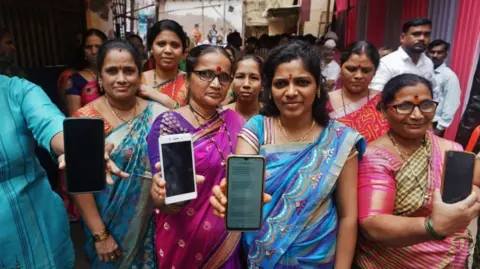
In a village in Madhya Pradesh, women like Premila Bhalavi receive cash transfers from the government, affording them greater financial freedom and independence. These unconditional cash transfers of 1,500 rupees ($16) have benefited 118 million adult women across India, evolving into one of the world's largest social-policy experiments. By recognizing and compensating women's domestic labor, these initiatives aim to transform the societal structure that traditionally undervalued their contributions.Experts highlight the direct impact of these cash transfers on daily life; women are now better able to cover household expenses, ensuring access to essentials like food, medicine, and education for their children. This financial support fosters a sense of agency among women while at the same time pushing forward political agendas that prioritize female welfare.However, these schemes are not without controversy. Critics argue they represent a form of political patronage designed to secure votes, particularly highlighted by significant cash transfers preceding elections in states like Bihar. Yet, many women report a sense of empowerment that comes from controlling their own finances, with increased participation in decision-making.As the cash transfer revolution in India continues, its potential to enhance women's rights and recognition in society hinges on its implementation, accompanied by continued advocacy for paid work opportunities and recognition of unpaid labor.