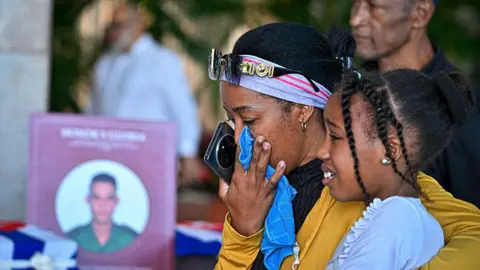
From sunrise, throngs of military personnel, government officials, and civilians lined the route between Havana's airport and the Armed Forces Ministry to applaud the return of the remains of 32 Cuban troops killed in Venezuela, presented in a solemn funeral cortege.
The leadership of Cuba, from Raul Castro to President Miguel Diaz Canel, were present to receive the boxes containing the cremated ashes of their 32 fallen heroes. In the lobby of the ministry building, each box was draped in a Cuban flag next to a photo of the soldier or intelligence officer beneath the words honour and glory. However, this somber occasion highlights a chastening experience for the Cuban Revolution.
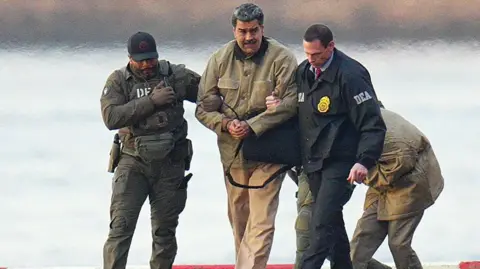
This event marks the biggest loss of Cuban combatants at the hands of the U.S. military since the Bay of Pigs invasion in 1961. Despite a long history of minimal direct conflict with U.S. forces, the elite Delta Force soldiers managed to emerge virtually unscathed.
For the grieving families, the delivery of their loved ones' ashes is a stark reminder of their ultimate sacrifice and the reality of Cuba's intelligence presence in Venezuela, which the Cuban government has reluctantly acknowledged.
The state of Cuban society grows increasingly volatile as concerns mount over the loss of Venezuelan support, a critical ally for the island facing its own economic challenges exacerbated by U.S. sanctions and mismanagement. Historical figures like Victor Dreke assert that Cuba has endured tough times before and will continue to be ready, but the current dynamic with the Trump administration evokes a sense of urgency and unease among government officials.
As Cuba navigates this precarious moment in its history, the deaths of these troops signify a deeper crisis in its regional alliances and the future of socialism in the Caribbean.