In brief
At a Venezuelan jail in Barinas, inmates stormed the roof, set mattresses aflame and shouted allegations of abuse. Extra police surrounded the complex in response to reports of shootings. Human‑rights groups highlight long‑standing issues of solitary confinement, forced searches and a lack of medical care, as UN officials receive escalating complaints of torture.
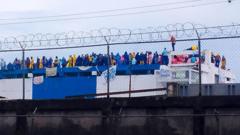
The situation at the judicial prison in Barinas, Venezuela, escalated dramatically on Sunday when inmates surged onto the roof and set mattresses alight in a protest that swiftly turned violent. In the footage released by the Venezuelan Prison Observatory (OVP), the scene is stark: a group of prisoners in coloured jumpsuits clutching hand‑drawn signs, their faces smudged with soot as they shout for their rights. According to eyewitness accounts, the uprising sparked a defensive response from prison guards and external security units, with several inmates reporting that they were fired upon. The regime has deployed additional police to re‑establish control, but reports of sudden detentions and “explosions” suggest the confrontation was far from contained. In one video the protesters display visible injuries, with a man pointing out that shots have been fired at them. Others chant, “We want justice!”, demanding a more secure environment and basic medical supplies for those suffering from tuberculosis. Prison authorities have yet to issue an official statement, and neither the direct director of the facility nor the administration of Interim President Delcy Rodríguez has commented on the events. The OVP alleges that the inmates have been enduring violent searches, forced solitary confinement, and overall mistreatment since a new director took charge. The organisation has repeatedly drawn attention to the lack of minimum standards at Venezuelan prisons, noting that the conditions at many jails fail to meet the legal assurances promised to inmates. The protest is taking place against a backdrop of heightened scrutiny of the Venezuelan penal system. The UN High Commissioner for Human Rights, Volker Türk, recently confirmed that his office continues to receive reports of torture being used in Venezuelan prisons after the US intervention that removed Nicolás Maduro from power. “There is a persistent, systemic use of torture across the network, particularly targeting detainees in political contexts,” he said. On a broader scale, the case reflects the ongoing crisis of overcrowding and abuse in the country’s penitentiary system. According to the NGO Foro Penal, more than 400 prisoners remain incarcerated, while the OVP is concerned that conditions are below the minimum parametric thresholds for humane treatment. The Committee for the Freedom of Political Prisoners has also weighed in, asserting that “punishment, hunger, solitary confinement, torture and inhumane conditions” are in use in the policy of the prison.” In recent years, several reports have surfaced documenting the use of “hunger strikes, torture and forced isolation” in Venezuelan jails. In 2023, the UN Human Rights Council highlighted a range of violations that occurred across multiple facilities, citing requests for better housing and medical treatment. More than a year after the United States seized Maduro in a military operation in Caracas, the government has released hundreds of political prisoners, yet the number remains significant for a regime facing mounting pressure from the international community. The Barinas incident, while not a location typically associated with prominent political detainees, shows that the realities of prison life continue to be a point of contention. Human‑rights organisations remain concerned about the lack of adequate oversight and the degree of violence inflicted on the incarcerated population. Venezuelan prisons are costly to manage, and officials have pushed back against allegations that the state is failing to uphold the minimum standards of humane detention. However, the protests in Barinas underscore that a system of ‘justice’ still remains elusive for those inside, with the door to public dialogue still closed. As the country navigates these tensions, reinforcements and further investigations may be required to address the claims that the system is still under the shadow of severe human‑rights abuses." }