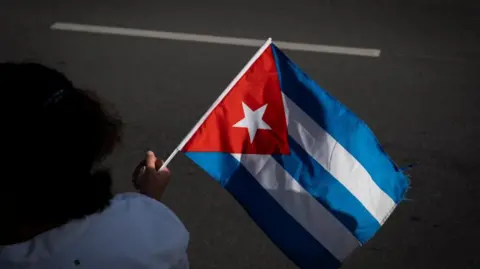
Cuba will free 2,010 prisoners as part of a 'humanitarian and sovereign gesture,' it announced on Thursday, as it faces continued political pressure from the US. Those freed will include foreign nationals, young people, women, and those aged over 60, a statement from the Cuban embassy in the US stated. The release was said to be taking place 'in the context of the religious celebrations of Holy Week, which is a customary practice in our criminal justice system.' Since returning to the White House, US President Donald Trump has made clear his desire to change Cuba's leadership and has implemented an oil blockade, causing severe fuel shortages and widespread blackouts across the country. Last week, a Russian-owned tanker carrying an estimated 730,000 barrels of crude oil became the first crude oil shipment to dock in one of Cuba's ports since early January. Cuba holds hundreds of political prisoners behind bars, according to Human Rights Watch, with government critics subject to harassment and criminal prosecution. Eligibility for the release was based on 'a careful analysis' of offences, along with 'their good conduct while in prison, the fact that they had served a significant portion of their sentences, and their state of health,' the embassy statement added. It is the second time this year that Cuba has announced a prisoner release. In March, 51 prisoners were set free following talks with the Vatican. In 2025, Cuba released 553 people in a deal brokered by the Vatican and the US.
Cuba Announces Release of Over 2,000 Prisoners Amid U.S. Pressure
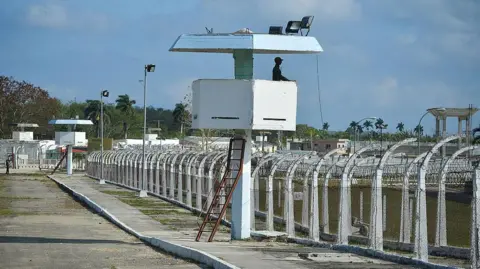
Cuba Announces Release of Over 2,000 Prisoners Amid U.S. Pressure
In a significant move, Cuba has decided to free 2,010 inmates, including foreign nationals, young people, women, and seniors, amidst ongoing political pressure from the U.S. The release is part of a humanitarian gesture coinciding with Holy Week celebrations.
Cuba is set to release 2,010 prisoners, including various demographic groups, as a response to increasing pressure from the United States. The move is characterized as a humanitarian gesture linked to Holy Week festivities. This follows a series of political tensions, including an oil blockade impacting the nation.