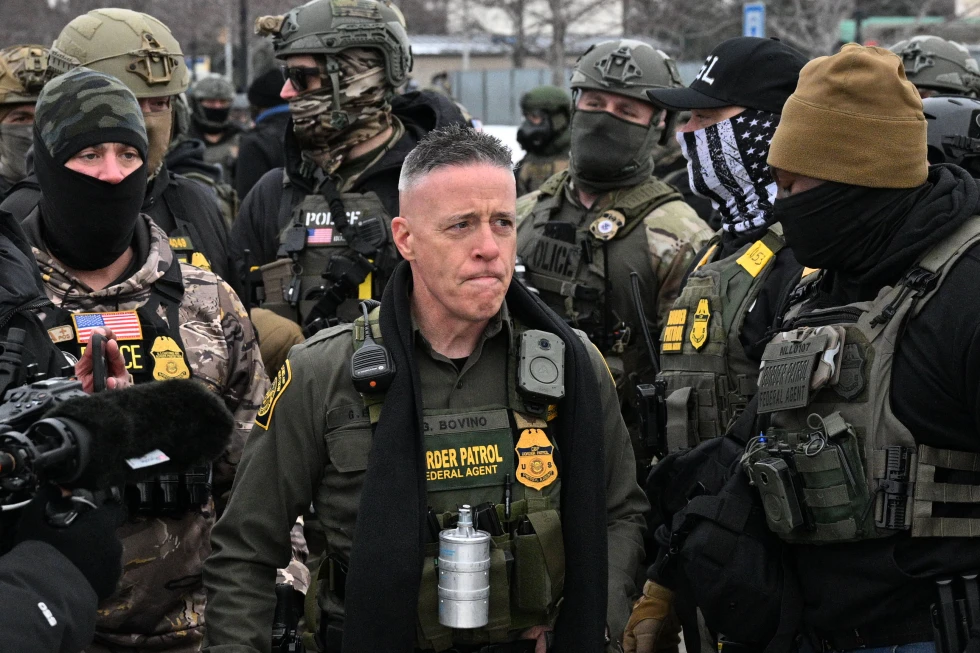
CHICAGO (AP) — A Chicago carpenter cleared of accusations that he put a $10,000 bounty on the life of a Border Patrol commander has been taken into immigration custody and faces deportation, attorneys confirmed Tuesday.
Juan Espinoza Martinez, 37, was acquitted of one count of murder-for-hire last week. Within 24 hours, he was picked up by federal immigration agents, say his defense attorneys Jonathan Bedi and Dena Singer.
Born in Mexico, Espinoza Martinez was brought to the U.S. as a child. His immigration status was not discussed during the initial trial, which stemmed from a Chicago immigration crackdown.
Defense attorneys have argued that the federal government acted in a politically motivated manner, describing Espinoza Martinez as a “criminal illegal alien.” Prosecutors made unsubstantiated claims about his gang affiliations, which the judge deemed inadmissible in court.
In a joint statement, Bedi and Singer commented, This verdict is a reminder that juries see through political prosecutions. They demand real evidence, not speculation and character assassination. They emphasized that the government did not possess any credible evidence to support tampering allegations.
Espinoza Martinez, a father of three, was arrested amid a surge of immigration enforcement in Chicago. His wife, Bianca Hernandez, disclosed that he was previously a recipient of the Deferred Action for Childhood Arrivals (DACA) program, which protects qualifying undocumented youth from deportation. Unfortunately, Espinoza Martinez could not renew his status due to financial difficulties.
“We were very, very happy because we knew that he didn’t do anything,” she communicated, reflecting on their mixed emotions after the trial. However, despite the trial ending in his favor, the family now faces the uncertainty of deportation.
The Department of Homeland Security responded to the acquittal, insisting that the verdict does not negate the facts regarding Espinoza's previous actions against federal law enforcement.
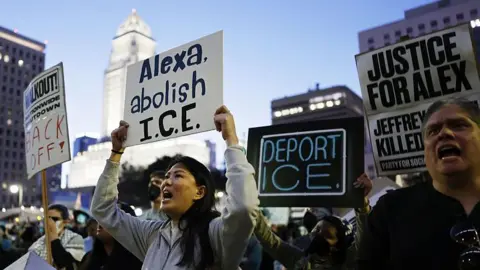
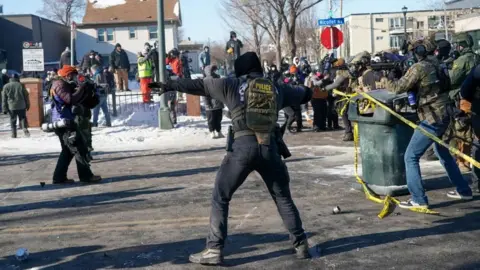
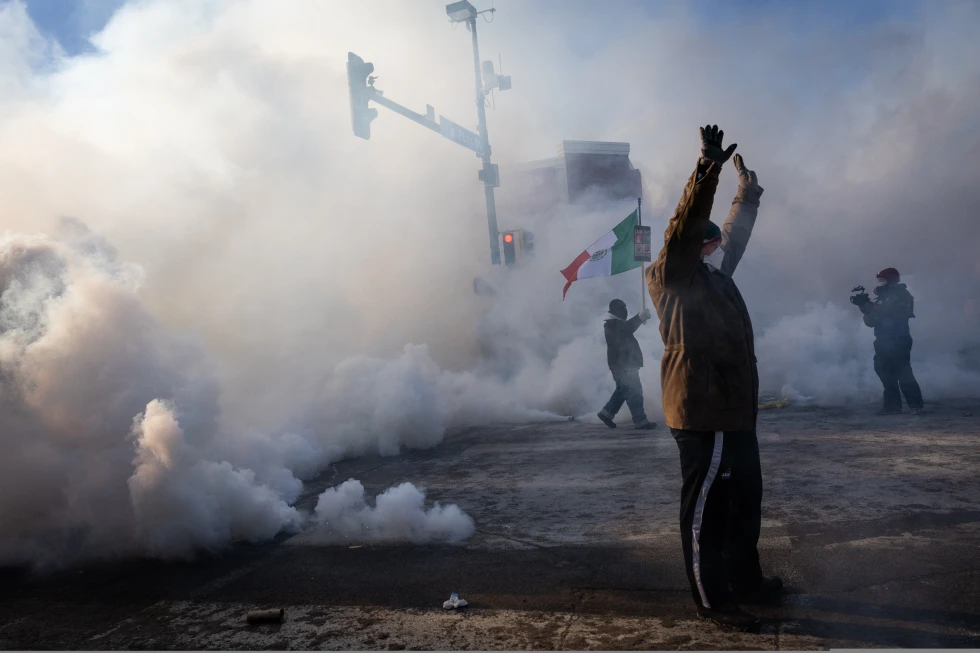
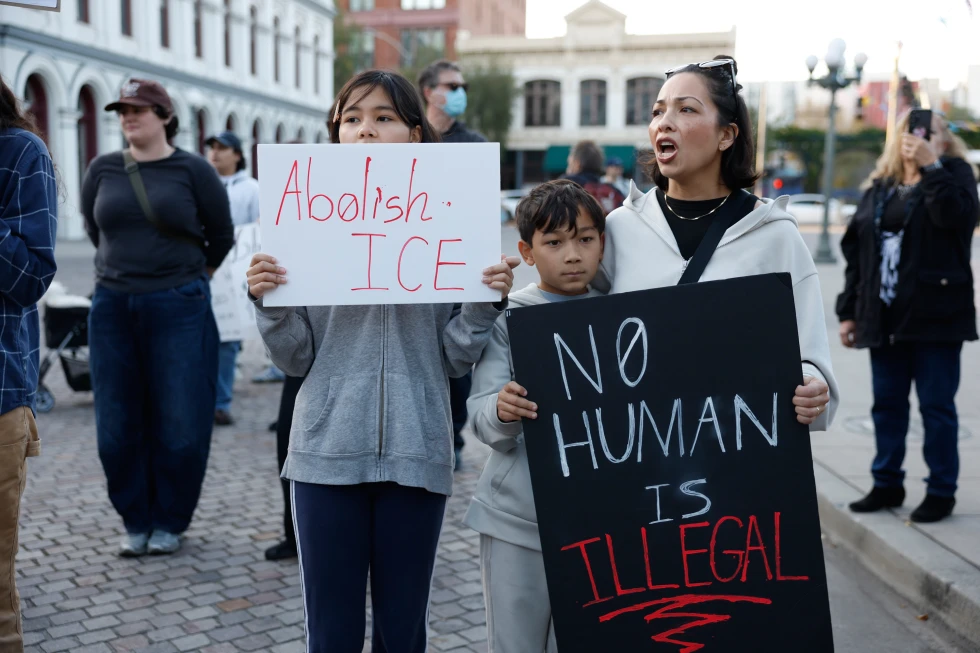
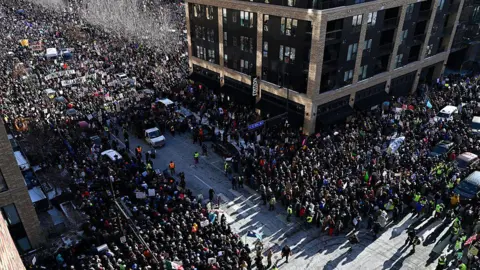
The federal crackdown on immigration has been a contentious issue, generating protests and legal disputes across Chicago, particularly in areas like the heavily Mexican neighborhood of Little Village.