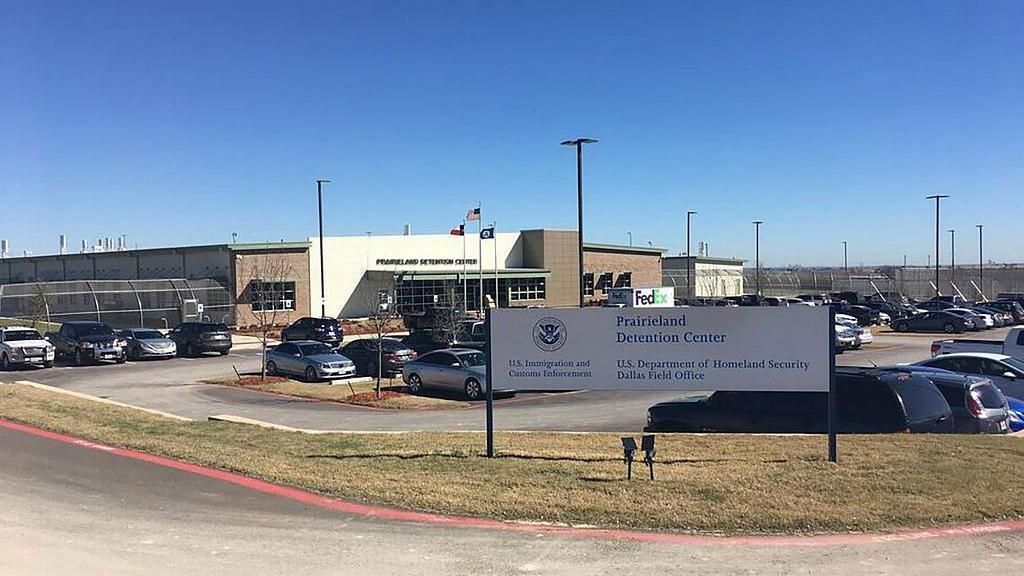
A recently obtained memo from federal immigration officials has sparked significant controversy as it grants ICE officers unprecedented authority to forcibly enter private residences without a judge’s warrant. This represents a stark deviation from previous legal guidance that emphasized the necessity of judicial approval for home entry. The memo allows ICE to rely solely on administrative warrants for individuals with final orders of removal, a decision that advocates argue violates the Fourth Amendment's protections against unreasonable searches.
Headlining this controversial directive is the notion that ICE officers can demand entry, and if refused, they are permitted to utilize force to breach premises, a procedure that has raised alarming concerns regarding the expectation of privacy for immigrant households. Historically, immigrant advocates have emphasized to the communities that only a judicially signed warrant should be recognized, but this new policy undermines that crucial rule of thumb.
As ICE ramps up its enforcement nationwide under renewed directives, observers have noted an escalation in arrests conducted under these new guidelines. The memo has reportedly not been widely disseminated among ICE personnel, raising questions about transparency and adherence to proper protocol within the agency.
In recent weeks, incidents involving ICE officers breaking down doors based on administrative warrants have surfaced, indicating a troubling trend that could lead to widespread fear among immigrant residents. Experts contend this policy shift may invite significant legal challenges, especially from states and local governments that have historically supported immigrant rights and protections.
The ramifications of this policy could resonate throughout both immigrant communities and broader discussions surrounding civil liberties, making it critical for stakeholders on all sides to engage in dialogue as legal frameworks are tested.
Headlining this controversial directive is the notion that ICE officers can demand entry, and if refused, they are permitted to utilize force to breach premises, a procedure that has raised alarming concerns regarding the expectation of privacy for immigrant households. Historically, immigrant advocates have emphasized to the communities that only a judicially signed warrant should be recognized, but this new policy undermines that crucial rule of thumb.
As ICE ramps up its enforcement nationwide under renewed directives, observers have noted an escalation in arrests conducted under these new guidelines. The memo has reportedly not been widely disseminated among ICE personnel, raising questions about transparency and adherence to proper protocol within the agency.
In recent weeks, incidents involving ICE officers breaking down doors based on administrative warrants have surfaced, indicating a troubling trend that could lead to widespread fear among immigrant residents. Experts contend this policy shift may invite significant legal challenges, especially from states and local governments that have historically supported immigrant rights and protections.
The ramifications of this policy could resonate throughout both immigrant communities and broader discussions surrounding civil liberties, making it critical for stakeholders on all sides to engage in dialogue as legal frameworks are tested.