In brief
While communities nationwide host parades and service projects for Martin Luther King Jr. Day, the political atmosphere remains fraught. Recent federal initiatives, particularly under the Trump administration, have sparked discussions about the regression of civil rights. Both conservative and progressive groups are mobilizing for various commemorative events, highlighting the ongoing relevance of King's message in today's society.
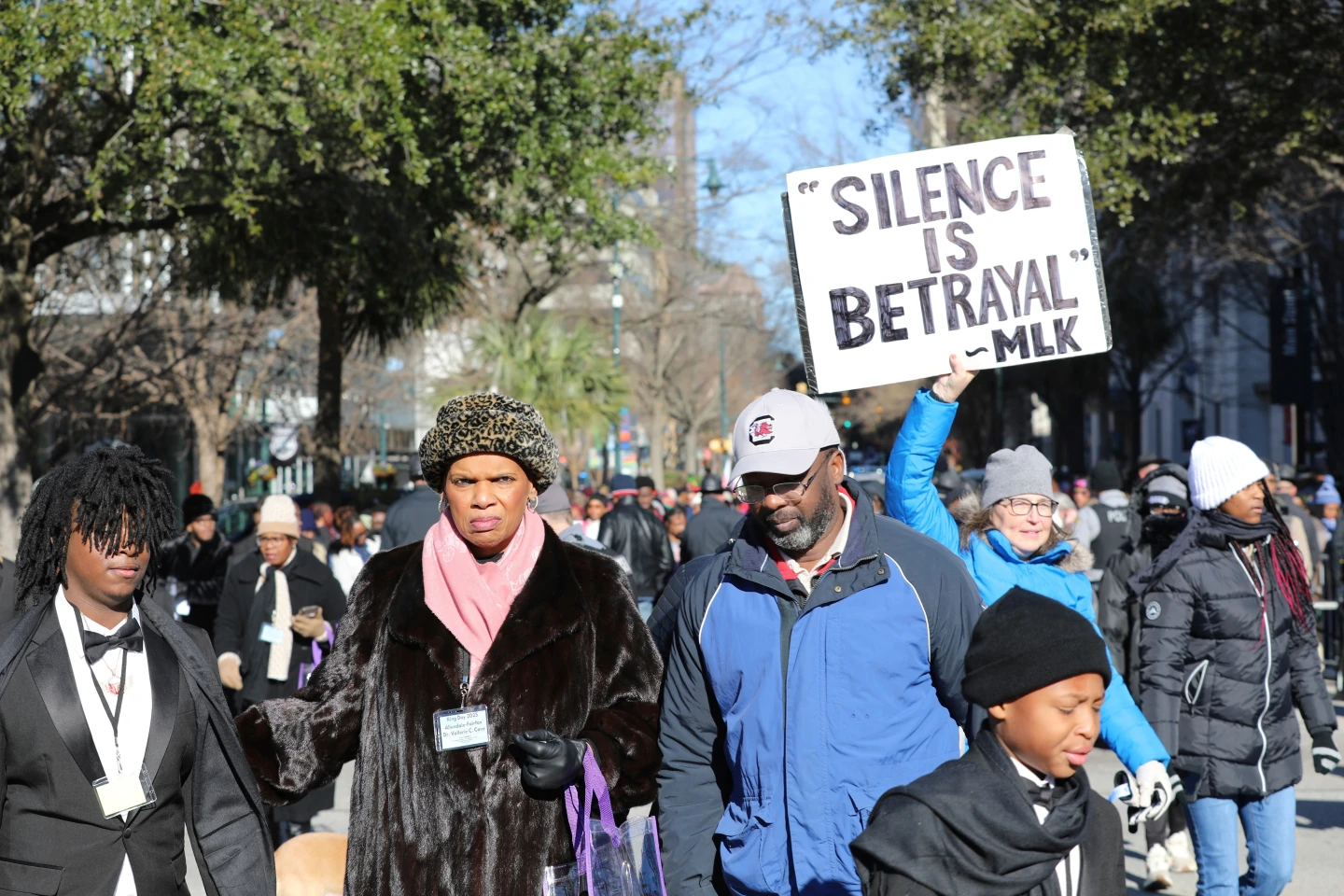
As communities across the country host parades, panels, and service projects for the 40th federal observation of Martin Luther King Jr. Day, the political climate for many appears fraught with tension more than festive reflection on the legacy of the slain civil rights leader.
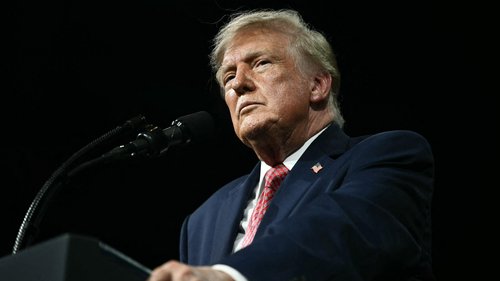
In the year since Donald Trump's inauguration coincided with King Day, the former president has vehemently opposed diversity, equity, and inclusion initiatives, aligning federal law enforcement efforts disproportionately against predominantly Black-led cities. Such actions have prompted criticism from advocates who echo King's call for justice and equality.
The National Park Service's recent decision to abolish free admission to parks on King Day, shifting it to Flag Day and Trump's birthday, has also raised eyebrows among King's detractors. The shooting of an unarmed woman in Minneapolis by federal agents further stoked fears of regression in civil rights and racial justice.
Despite these tensions, King holiday events are still prevalent across the nation. Some are planned under the banner of reclaiming King's legacy, stressing the importance of character over skin color, while advocacy groups are organizing resistance rallies. The NAACP and other organizations highlight the need for a collective push for civil rights as threats against marginalized communities escalate.
Political Climate and Civil Rights
Governor Wes Moore of Maryland reflected on the critical role of the Civil Rights Movement, asserting its significance in striving for a more perfect union. Commentators have highlighted the disproportionate impact of political rhetoric on the perception and implementation of civil rights in today's society.
The movement aiming to honor Martin Luther King Jr. includes myriad events planned nationwide, not only commemorating his impact but also emphasizing ongoing issues surrounding racial and social justice.
Challenges Faced by Commemorative Events
In a notable setback, Indiana University's annual MLK Day dinner, a longstanding tradition, was canceled this year over budget constraints, raising concerns about broader political pressures influencing such decisions. Meanwhile, some venues have been proactive in maintaining celebrations, with museums and organizations reinforcing their commitment to commemorate King's enduring message.
Overall, King Day serves both as a celebration and a call to action, reminding the country of the ongoing commitment needed to fulfill the ideals of equality and justice that he championed.