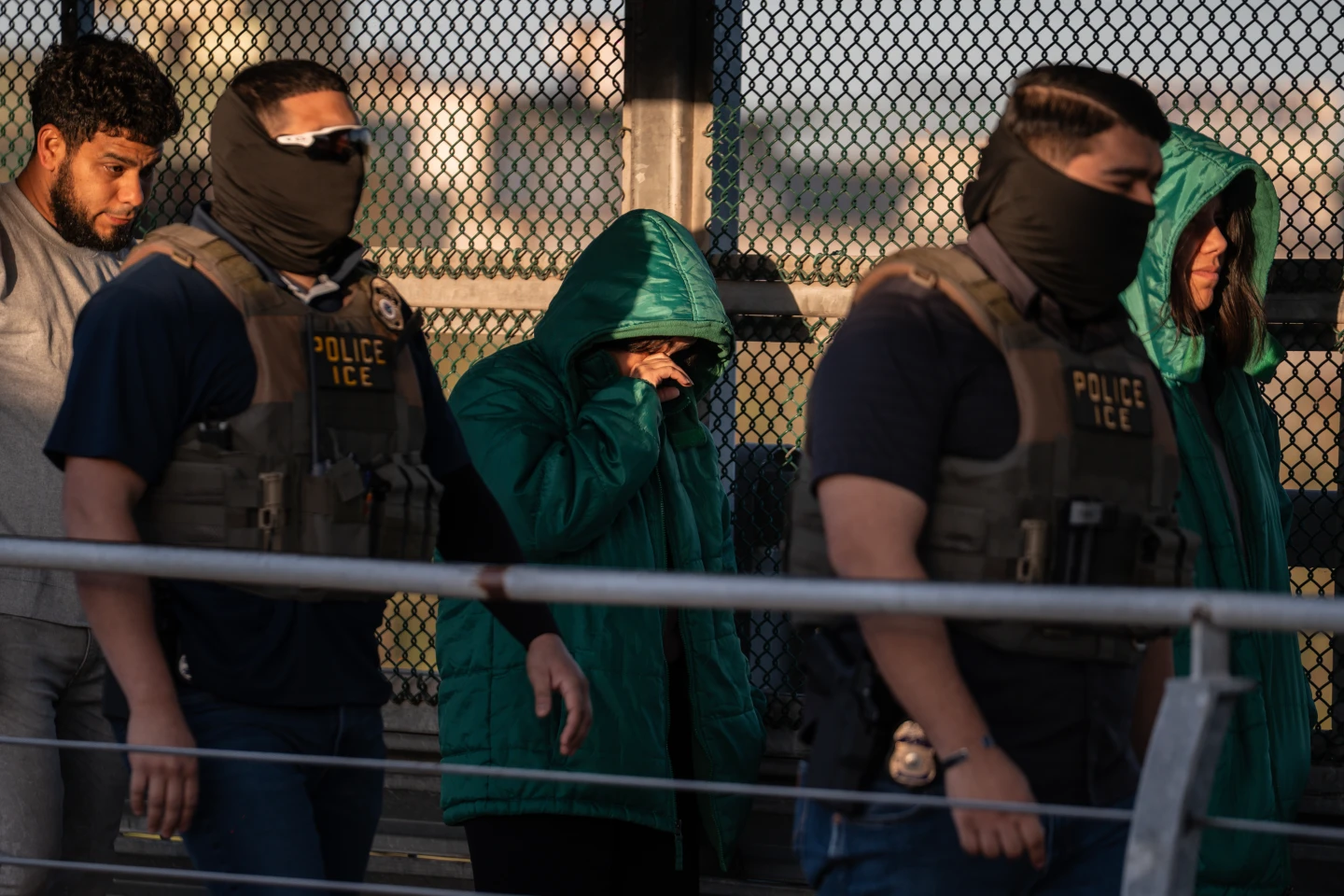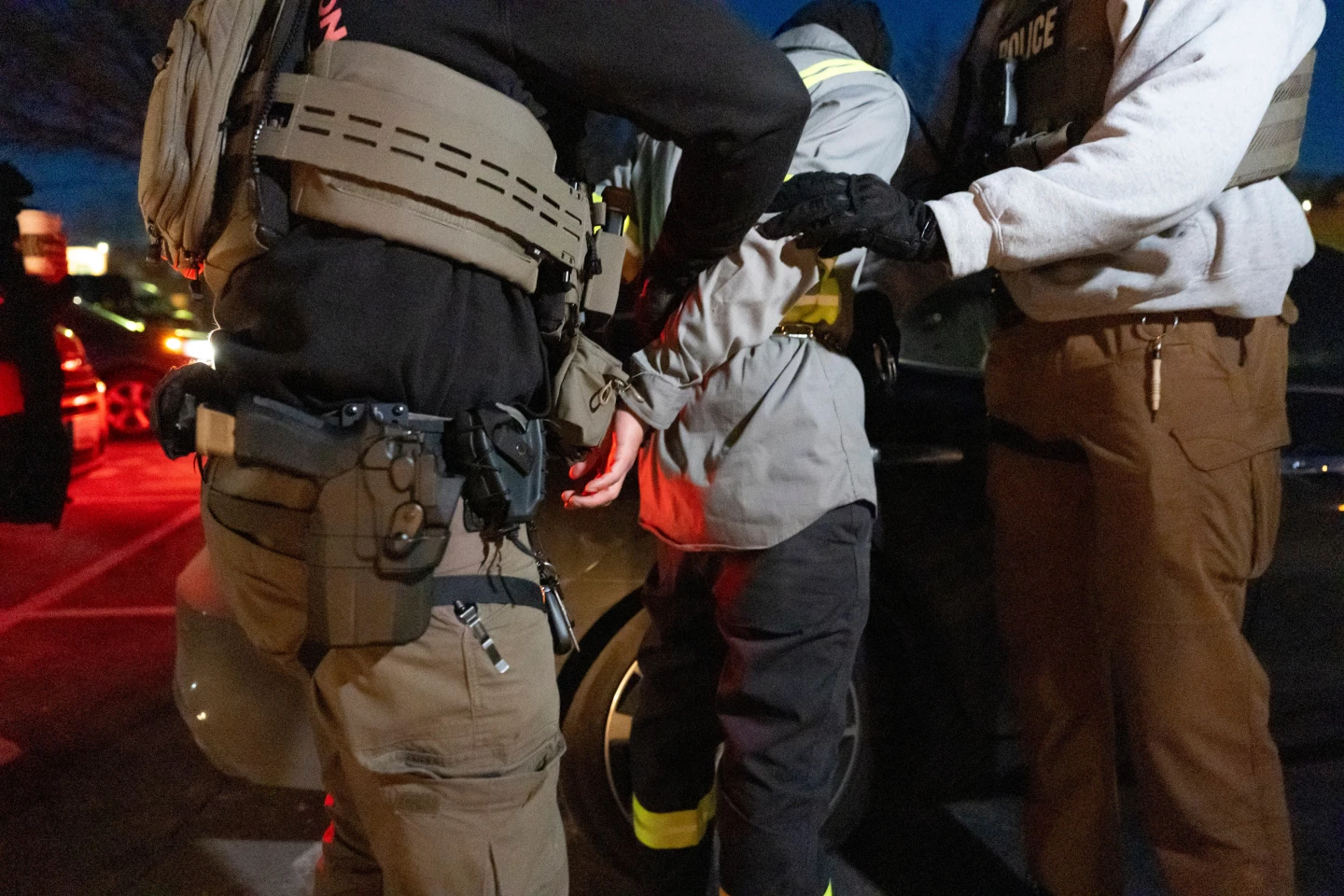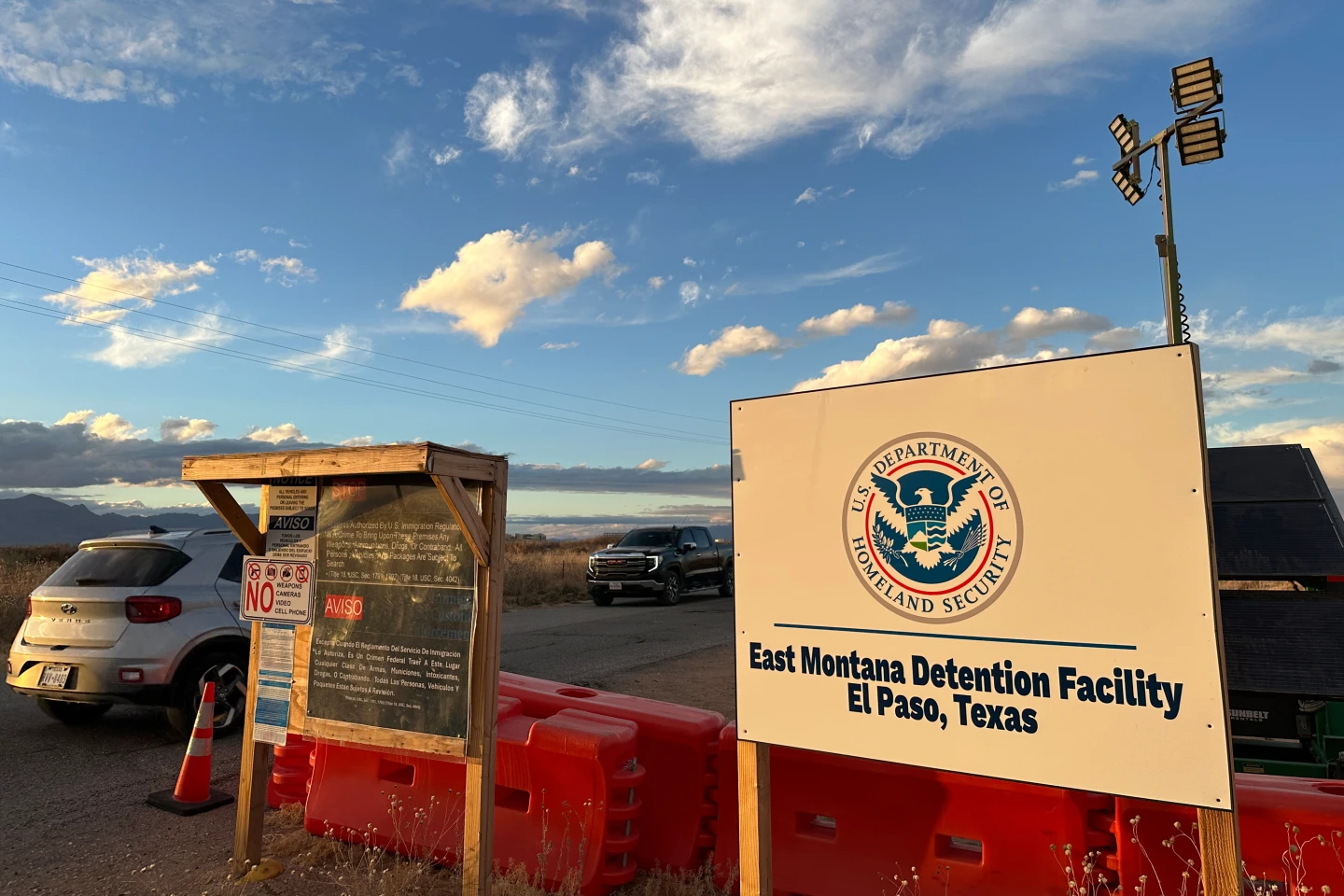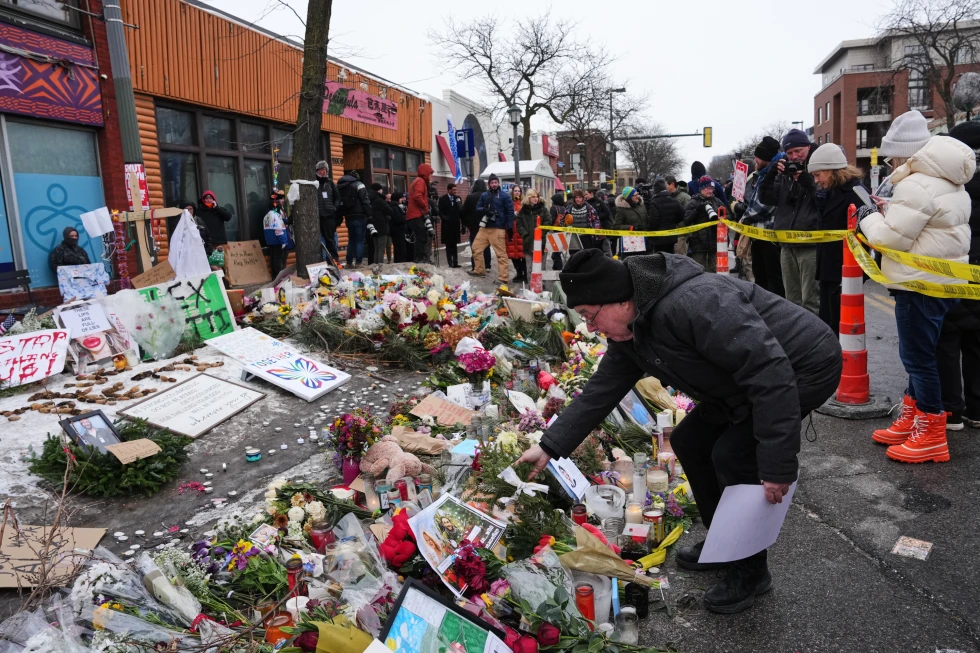
WASHINGTON (AP) — President Donald Trump shifted toward a more conciliatory approach with Democratic leaders in Minnesota on Monday, a sudden change in tack following an outcry over the second fatal shooting of a protester by federal agents this month during the administration’s nationwide crackdown on undocumented immigrants.
The about-face comes after Saturday’s shooting death of Alex Pretti by federal agents raised doubts — including from some Republicans — over how the Trump administration has gone about aggressively deporting migrants and confronting protesters opposed to the policy.
But it’s just the latest in a string of moments where Trump has first taken a maximalist position only to appear to later retreat.
Earlier this month, Trump repeatedly threatened Iran with military action if his administration found the Islamic Republic was using deadly force to squelch recent antigovernment protests. Human rights groups claimed thousands were killed, but Trump stated he was holding off on acting after he received assurances from Tehran regarding suspending planned executions.
Last week, Trump announced plans to impose new tariffs on European allies that refused to support his calls for the U.S. to take control of Greenland — only to cancel the tariffs soon after, citing a new agreement framework. The White House offered scant details about the agreement which came a day after a significant drop in the stock market.
On Monday, Trump’s administration adjusted oversight of immigration operations in Minnesota and struck a warmer tone toward Gov. Tim Walz, stating they were on a “similar wavelength.”
Some Republicans Express Concerns Over Minneapolis Incident
Trump's reversal is particularly striking given his earlier promises of an uncompromising stance on mass deportations and his previous fierce criticism of Walz and other Minnesota Democrats. During his remarks, Trump noted he dispatched border czar Tom Homan to oversee operations, while senior Border Patrol members were expected to withdraw as early as Tuesday.
Trump declared on social media that Walz “was happy that Tom Homan was going to Minnesota, and so am I!” Minneapolis Mayor Jacob Frey confirmed after speaking with Trump that adjustments to the number of agents in the city were forthcoming.
The change in tone followed criticism from some Republicans regarding federal tactics in the Minneapolis incident. Some officials branded Pretti a domestic terrorist, even as video evidence contradicted their narrative.
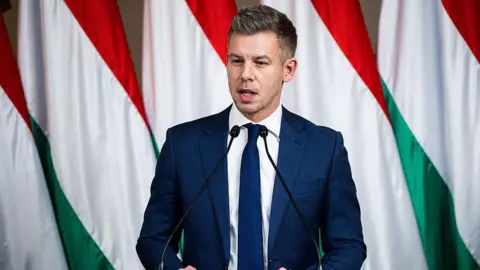
Republican gubernatorial candidate Chris Madel called the immigration enforcement operation an “unmitigated disaster” in a surprising video announcement, stating he no longer wishes to remain in the GOP because of it.
Governor Greg Abbott of Texas, who supports Trump’s immigration policies, suggested the need for a strategic realignment in Minnesota while Vermont’s Governor Phil Scott called for a reset, stating the operations represented either a failure or intimidation tactics.
Trump's Shift from Hostility to Collaboration
Trump's approach towards Walz, who ran as Kamala Harris' vice-presidential candidate in the 2024 elections, reflects a stark pivot. A day prior, Trump’s deputy chief of staff, Stephen Miller, criticized Walz via social media.
The White House had yet to comment on whether Trump supported the aggressive rhetoric of his aides.
Amidst the more conciliatory tone, press secretary Karoline Leavitt continued to place blame on Walz and other Minnesota Democrats for inciting “left-wing agitators” against federal officers.
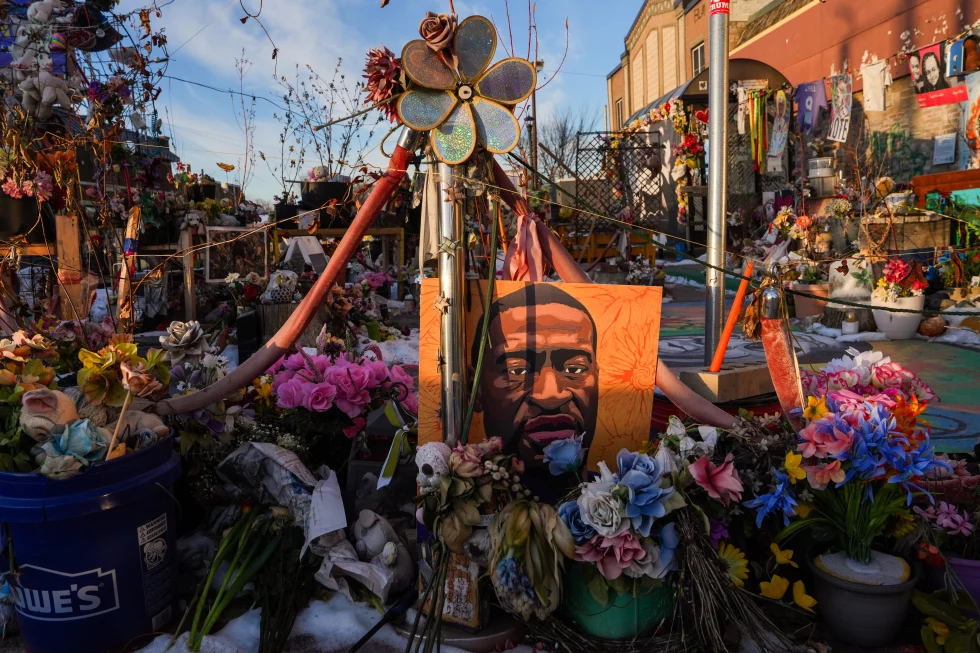
Trump's response to the deaths of Pretti and Renee Good, another protester killed by federal agents earlier this month, has been notably muted compared to his reactions to political violence targeting his supporters.
While the president's comments on Monday aimed to lessen tensions, they were accompanied by a continuation of blame towards Democratic officials in Minnesota.