In brief
Fernando Perez, a Mexican immigrant in the U.S. for 30 years, reflects on the longstanding practice among immigrant communities to refrain from answering doors for immigration officers unless they present a judge-issued warrant. An internal ICE memo now suggests that this may change, allowing officers to enter homes without such warrants. This shift comes amid expanded immigration arrests under the Trump administration's mass deportation campaign. Legal experts warn that such actions could increase tensions within communities and potentially result in violent encounters.
SAN DIEGO — Fernando Perez, an immigrant from Mexico, has spent decades learning the intricate rules of U.S. immigration policy, which he has navigated since arriving in the U.S. 30 years ago. He recalls never answering the door when U.S. immigration officers came knocking, a precaution many others in his community have also practiced.
“There are rules, and I know them,” Perez stated, indicating that the community is well aware of the longstanding guidelines that advise against permitting entry to immigration officers without a judicial warrant. Historically, the Fourth Amendment of the U.S. Constitution protects individuals against such intrusions unless an officer presents a valid document signed by a judge.
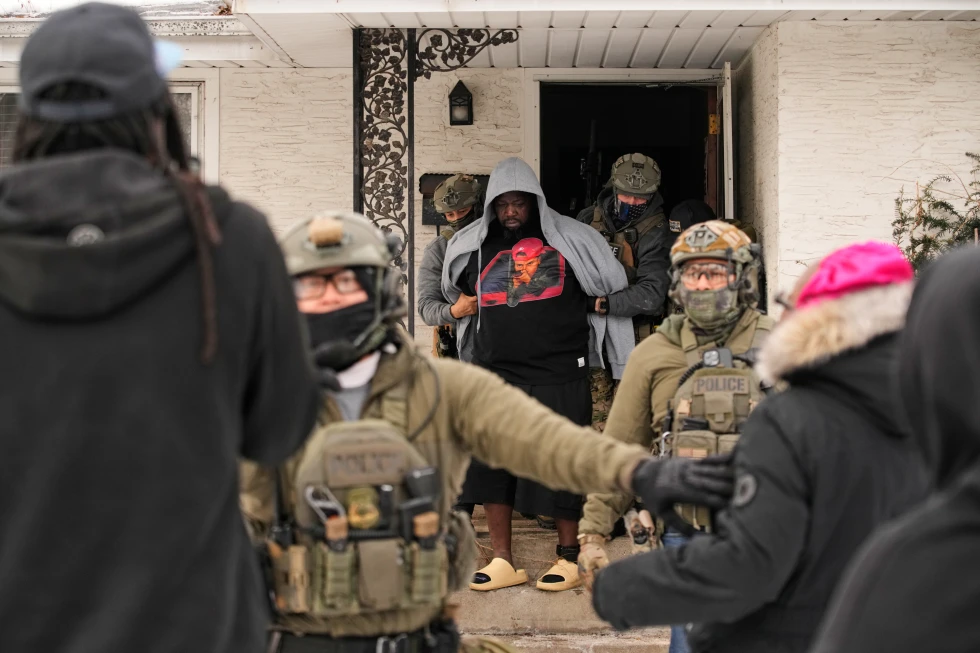
However, a recent memo from Immigration and Customs Enforcement has surfaced, indicating a significant policy shift: immigration officers can now forcibly enter homes without a judge-approved warrant, casting doubt on decades of legal advice given to immigrants.
As a result, enforcement operations may become more aggressive, possibly increasing the number of arrests performed in residential areas rather than through public methods opposed by many in immigrant communities.
In response to this policy change, concerns are mounting among lawmakers and legal experts who fear for the safety of those at home when officers knock unannounced. Senator Richard Blumenthal has called for congressional hearings to investigate the implications of the memo, echoing fears that such invasions could lead to volatile situations.
The memo stipulates that officers are to identify themselves and explain the reason for their presence, with a requirement to knock first and allow residents a reasonable amount of time to comply before using force. However, immigration advocates warn this could result in unrest should confrontations arise, particularly in states with 'stand-your-ground' laws.
Years of know-your-rights training in immigrant communities has been centered around the principle of not answering doors without proper legal documents, a practice now under threat as enforcement tactics evolve. Efforts by advocacy groups continue to educate immigrants about their rights, even as updated directives introduce new risks into previously established protocols for safeguarding from illegal searches.