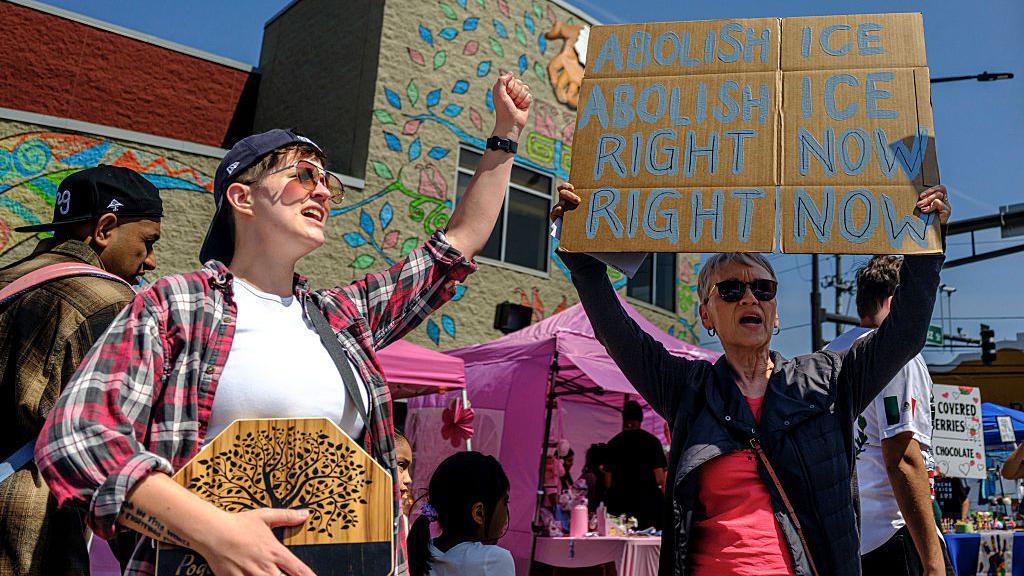
Republican lawmakers are starting to break with the Trump administration over its immigration crackdown in Minneapolis, as the party scrambles to respond to growing public anger after two US citizens were killed by federal agents.
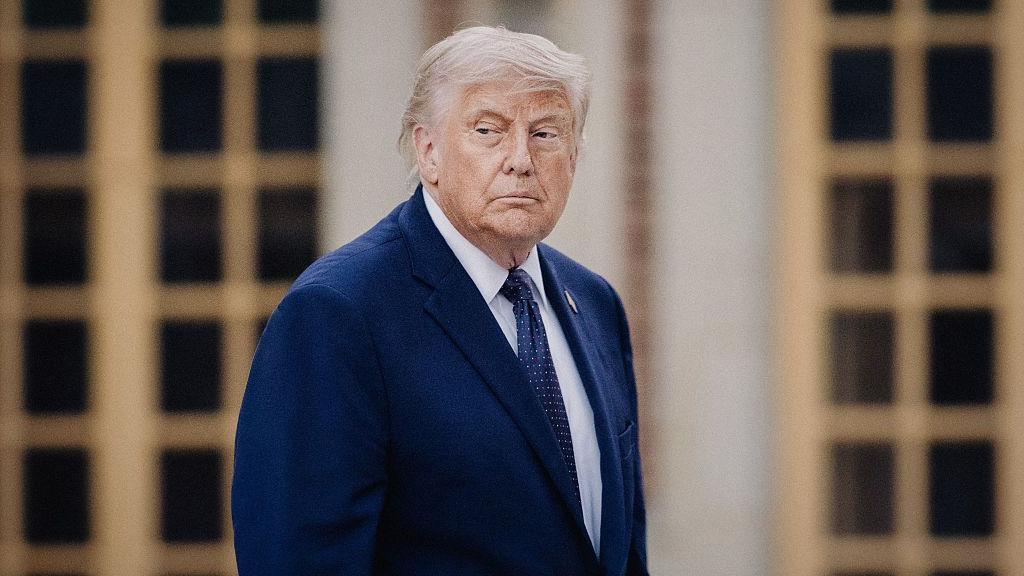
But even as some Republicans in Washington speak out against the fatal shootings, they've avoided directly criticising President Donald Trump or his broader immigration agenda.
The emerging messaging on Minneapolis points to the party's main dilemma heading into the midterm elections: whether and how to distance itself from the biggest controversies of Trump's second term, while running on his overall record on immigration and other issues that are popular on the right.
Their response to the fast-moving events in Minneapolis underscores the delicate balancing act.
Public anger forces a new focus
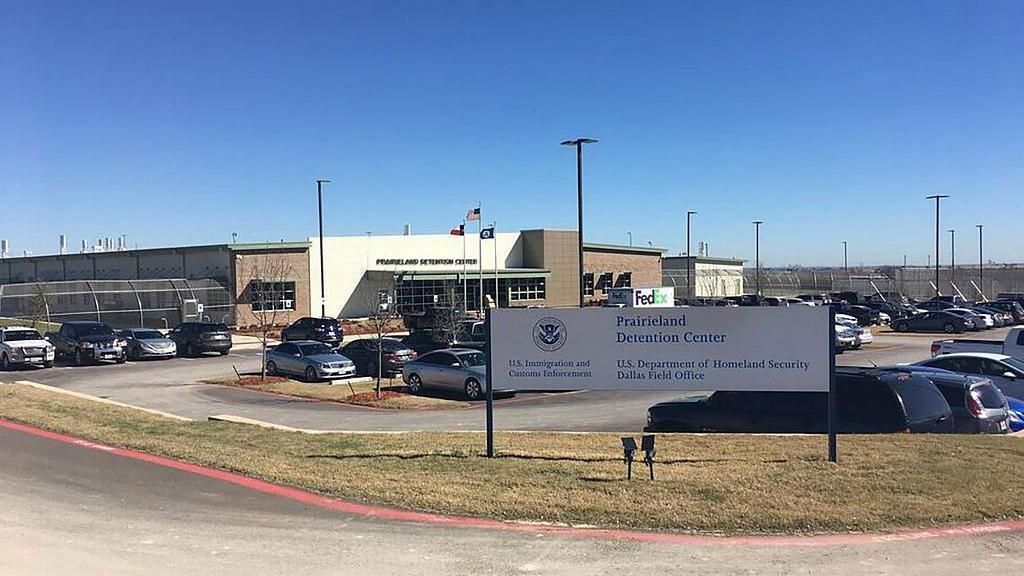
So far, Republicans have focused criticism on US Immigration and Customs Enforcement, or ICE - the agency at the forefront of the Minneapolis operation - and other agencies within the Department of Homeland Security taking part.
Despite backing Trump's immigration plans, Republicans are now minimizing their prior support.
A recent poll indicates that 61% of voters believe ICE's tactics have gone too far, casting a shadow on the party's previous support for funding programs aimed at deportation.
In the wake of public outcry, calls for accountability have emerged, with prominent senators asking for agency heads to testify before Congress.
Facing 'serious, unanswered questions'
Moderate Republicans are joining the fray criticizing immigration operations in Minnesota, as questions about the federal use of force grow among party members.
Key figures are expressing concern yet navigating the political minefield carefully, with some avoiding specific mentions of Trump’s policies. This more cautious approach reflects the realities that many Republican voters still support aggressive immigration enforcement.
Pivoting to a softer approach
As the backlash escalated, Trump adjusted his tone, illustrating the shifting dynamics within the party. His decisions to send border officials to Minneapolis and to initiate dialogues with local leaders indicate an attempt to alleviate tensions.
This shift could allow more Republicans to express their concerns moving forward as the immigration debate heats up in the lead-up to crucial midterm elections.