In brief
The EPA's recent proposal allows eight states to establish their own regulations for ozone pollution, raising concerns about air quality and interstate pollution among environmental groups. Critics argue this shift favors industrial polluters and diminishes federal clean air protections.
WASHINGTON — The Trump Administration's Environmental Protection Agency (EPA) has proposed a rollback of existing regulations aimed at limiting emissions impacting downwind areas. The decision targets the 'Good Neighbor' rule which was designed to control ozone pollution from industries across state lines.
The proposal allows eight states - Alabama, Arizona, Kentucky, Minnesota, Mississippi, Nevada, New Mexico, and Tennessee - to govern their own ozone air pollution regulations without federal oversight. This move follows a 2024 Supreme Court ruling that limited the EPA's enforcement capabilities regarding this rule.
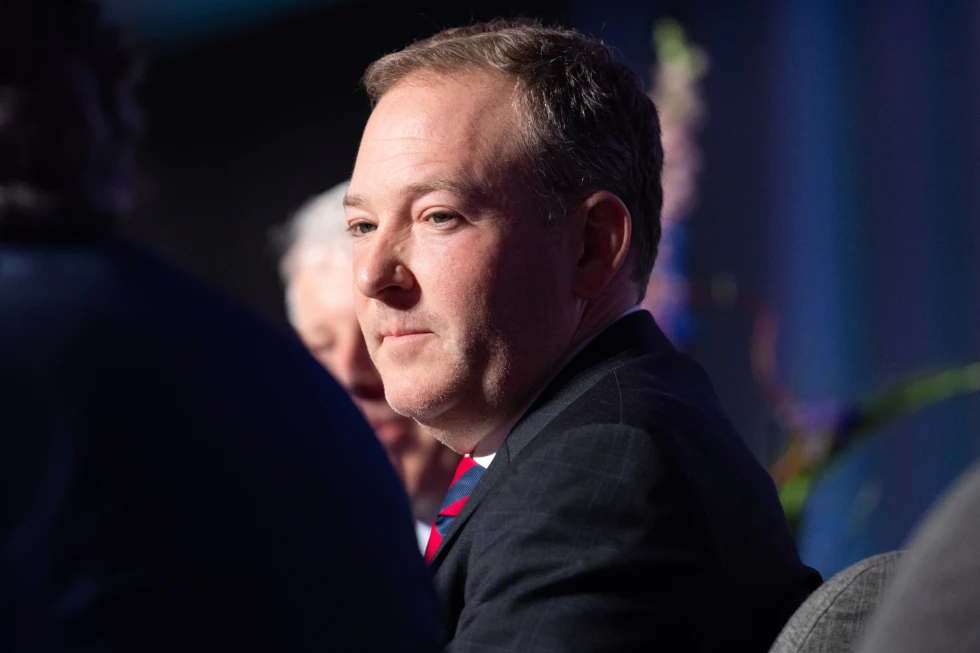
EPA Administrator Lee Zeldin stated that under the Trump administration, the focus is on 'cooperative federalism', which empowers states to set pollution controls. He criticized previous efforts by the Biden administration to impose stringent federal mandates, suggesting that these measures unfairly hinder states.
Environmental advocates, however, express concerns that this approach may endanger air quality, allowing industrial emissions from states like Indiana and Ohio to adversely affect neighboring regions. They argue that this proposal compromises public health and lacks sufficient federal protections against air pollution.
Public comments on the proposed changes will be accepted for a minimum of 30 days following the announcement in the Federal Register. As this situation continues to evolve, the implications for air quality standards and state-level regulatory independence are set to spark more debate among policymakers and environmentalists alike.