In brief
The Federal Emergency Management Agency (FEMA) has adequate funds of approximately $7 to $8 billion in its Disaster Relief Fund to manage the ongoing winter storm crisis affecting many regions in the U.S., even as a potential government shutdown approaches. Experts believe that these funds should suffice for immediate disaster response, although longer-term implications may arise if the shutdown extends further.
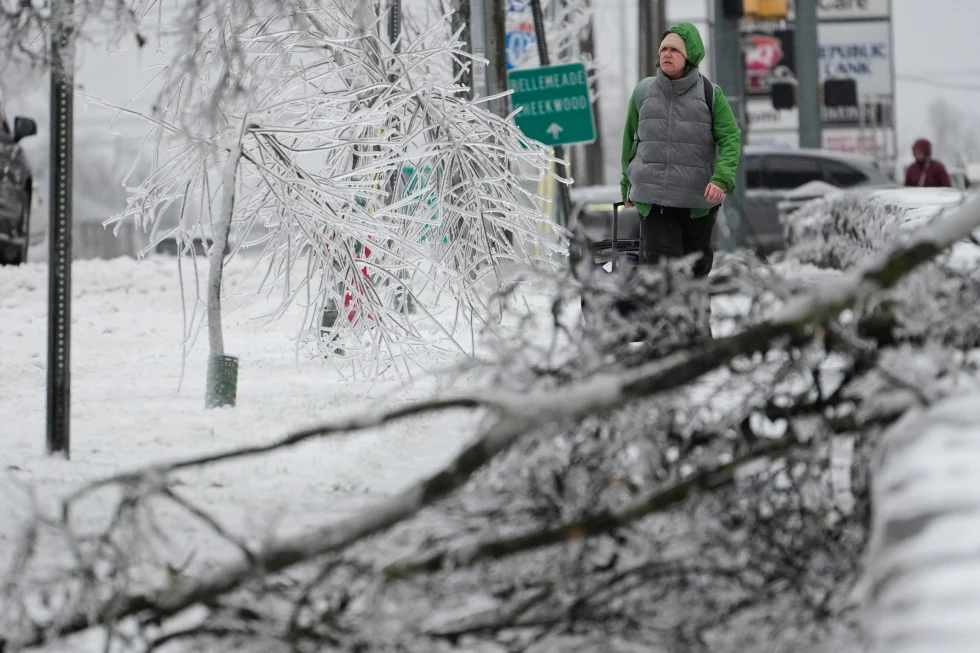
The Federal Emergency Management Agency would have enough money to respond to the massive winter storm still impacting large swaths of the U.S. even if a partial government shutdown begins at midnight Friday, experts and former FEMA officials said, despite Trump administration warnings to the contrary.
FEMA would have about $7 billion to $8 billion in its Disaster Relief Fund, even if the money Congress appropriated for the fund in the November spending bill that ended the longest-ever government shutdown were to expire Friday at midnight, according to two people familiar with the matter. They spoke on the condition of anonymity because they were not authorized to discuss FEMA funding with the media.
Experts said the remaining balance should be enough to limit impacts on the winter storm response, at least in the short term.
“They have enough money for winter storm recovery and anything else likely to come up in the next few weeks,” said Sarah Labowitz, senior fellow at the Carnegie Endowment for International Peace and author of the Disaster Dollar Database, which tracks federal disaster spending.
FEMA falls under the Department of Homeland Security, one of several departments whose funding for fiscal year 2026 depends on the Senate passing a spending package that the House already approved. Following a tragic incident involving federal immigration officers in Minnesota, Senate Democrats are pushing for restrictions on the administration’s mass deportations agenda in any DHS funding bill, increasing the prospects for a partial government shutdown by the week's end.
Trump administration officials have cited the storm and FEMA’s response to it as a reason to avoid a shutdown.
“We are in the midst of the winter storm that took place over the weekend and many Americans are still being impacted by that, so we absolutely do not want to see that funding lapse,” White House press secretary Karoline Leavitt told reporters Monday.
The timing of the potential shutdown helps ease concerns over FEMA’s coffers, as we are far from wildfire and hurricane seasons. “We’re a bit of a ways off from wildfire season and hurricane season, so I don’t see a huge impact in the short run in terms of FEMA operations,” said Noah Patton, director of disaster recovery at the National Low Income Housing Coalition.
If a partial government shutdown occurs, some FEMA operations not funded by the Disaster Relief Fund would pause, including the ability to write or renew National Flood Insurance Program policies, as experienced during last year’s lengthy shutdown. An extended shutdown could exert further pressure on the Disaster Relief Fund, especially if FEMA must respond to new disasters.
Despite the challenges posed by a potential government shutdown, experts express confidence that FEMA has the necessary funds to effectively manage the immediate impacts of the winter storm, continuing to provide essential support to states while navigating funding uncertainties.