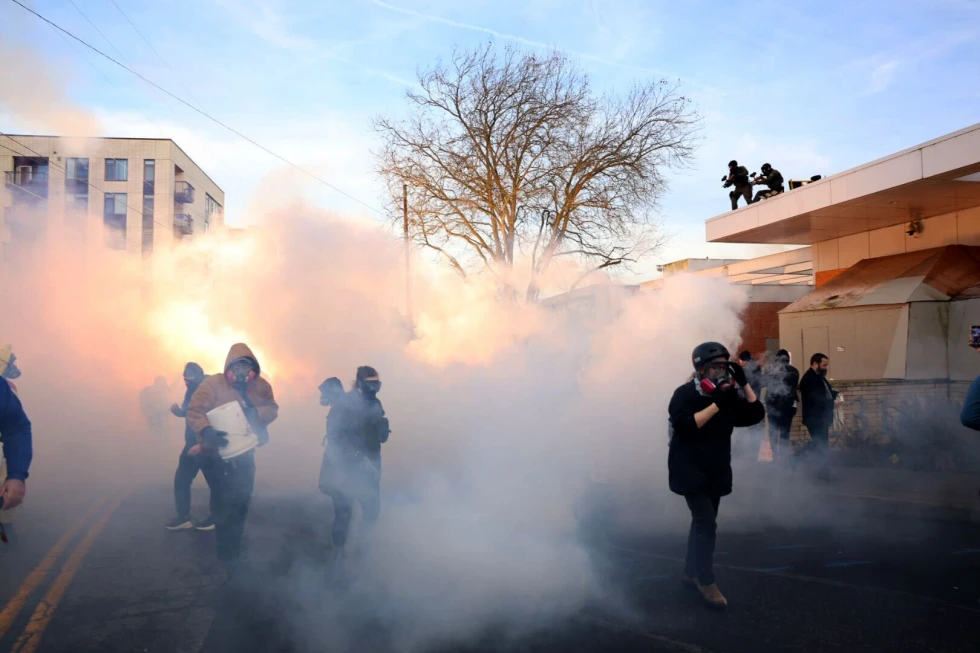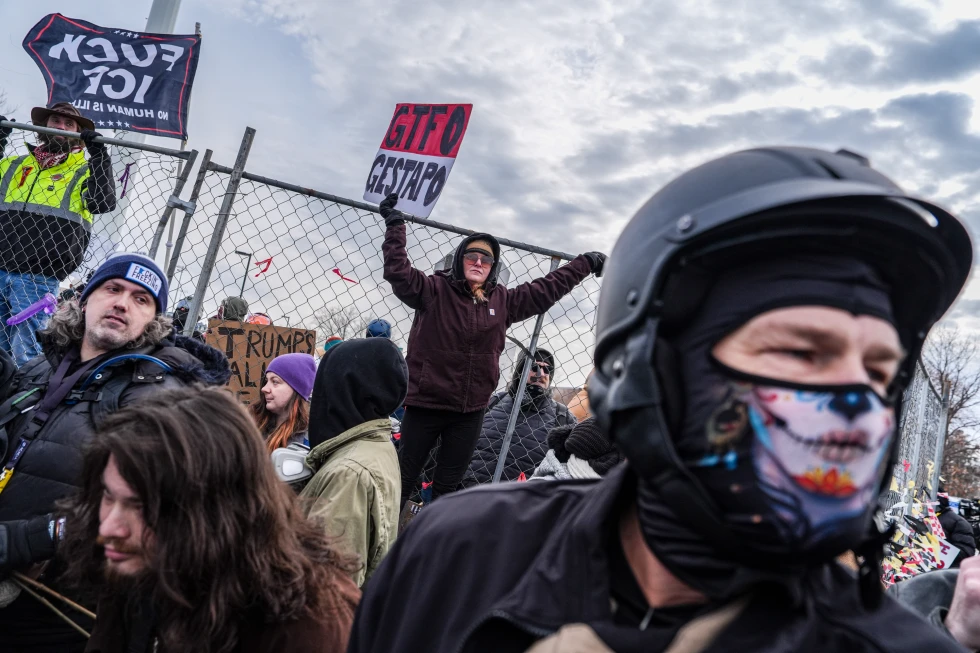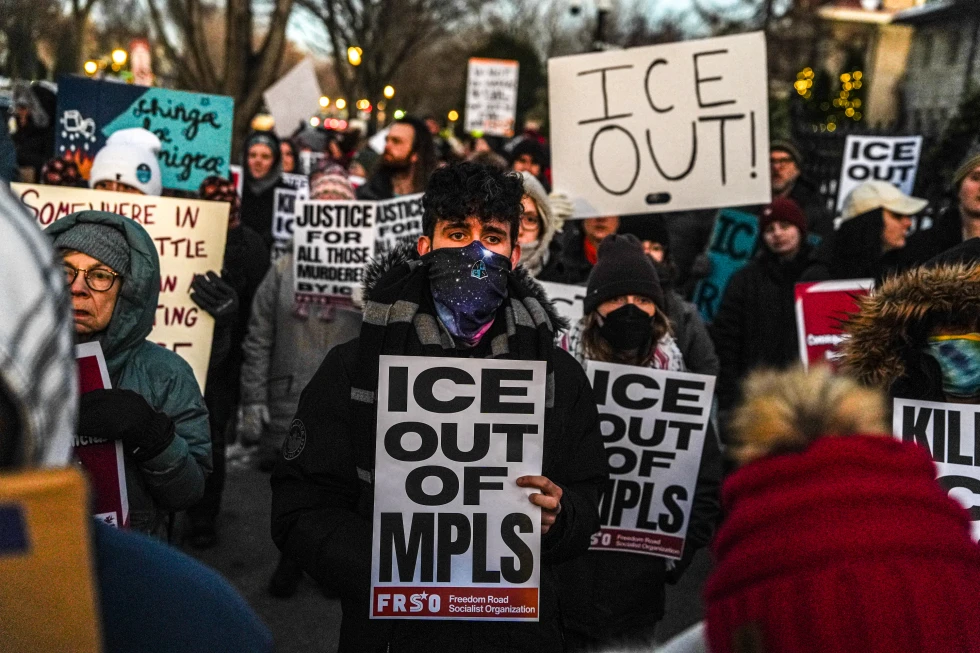
WASHINGTON - As a partial government shutdown draws near, Democratic senators are intensifying their focus on reforms for U.S. Immigration and Customs Enforcement (ICE), pressing for immediate changes in response to the violent deaths of two individuals involved in recent incidents with federal agents in Minneapolis.
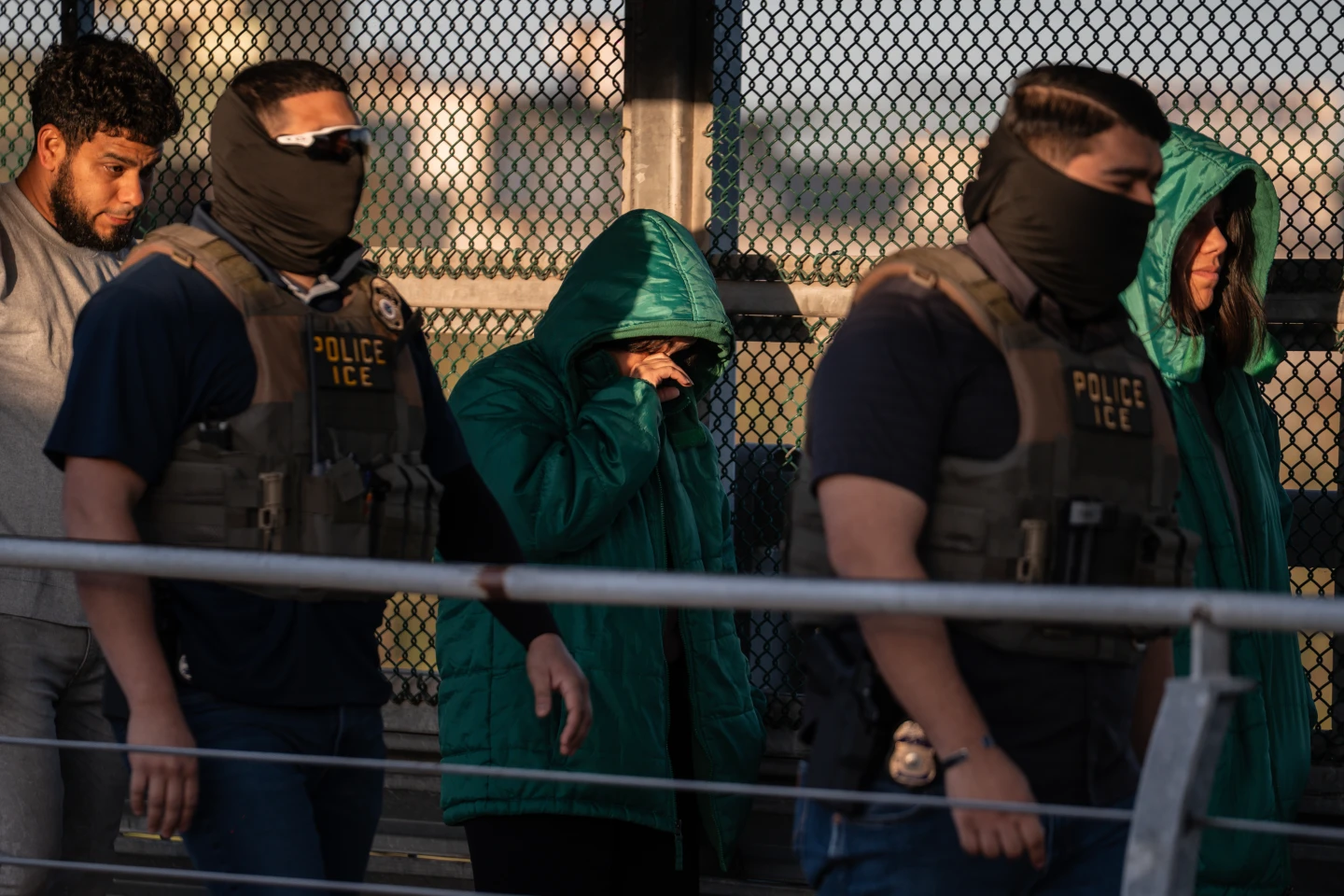
Democrats plan to meet to discuss possible stipulations related to the ongoing homeland security funding discussions. Among the proposed reforms are requirements for ICE agents to hold warrants and to identify themselves before making immigration arrests. Party leaders have indicated that they may block the spending bill if their demands are not addressed.
Senate Majority Leader Chuck Schumer has publicly condemned the violence, insisting that “this madness, this terror must stop.” His sentiments echo the frustrations within the Democratic caucus over the current state of immigration enforcement.
Meanwhile, Republican Senate leaders are awaiting the specifics of Democratic demands while suggesting that further dialogue with the White House is crucial. However, there are concerns about whether any agreement can be reached before the looming funding and shutdown deadlines.
Demands for Change
As discussions have commenced, Democrats are weighing various demands including prerequisites for judicial warrants for immigration arrests and the elimination of ICE's arrest quotas. Connecticut Senator Chris Murphy stated that the proposed changes aim to unify both the Democratic caucus and the public, labeling them as non-revolutionary adjustments.
Critics of the current enforcement policy are calling for a substantial overhaul of practices, including the cessation of “roving patrols” that have been termed as terrorizing residents. Both Schumer and Murphy noted that any fixes should be formalized through congressional legislation and not simply administrative pledges.
Despite ongoing conversations, the House of Representatives' passage of the remaining funding bills complicates negotiations. Republican leaders have indicated that any changes to the homeland security funding would require House approval, which might be difficult to achieve in time given the deadlines.
With tensions high and without evident pathways to resolution, the possibility of a partial government shutdown looms greater as the deadline approaches, reflecting deep divisions between Democrats and Republicans over immigration policy and federal funding priorities.