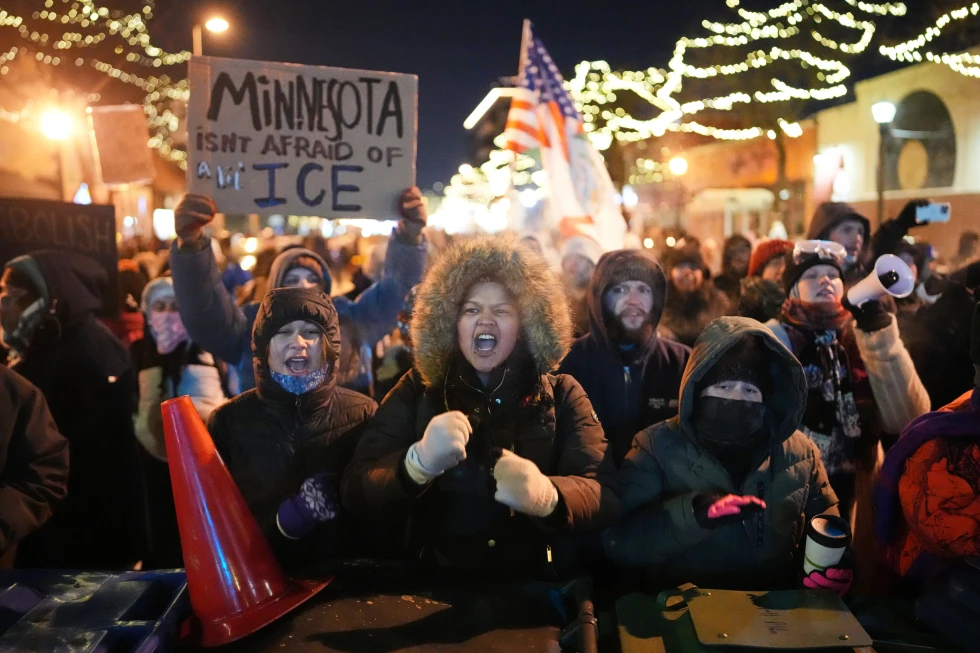
MINNEAPOLIS (AP) — The recent weeks have resonated with the sounds of whistles and horns as thousands follow immigration agents in Minneapolis, a response to the Trump administration’s Operation Metro Surge.
A diverse network of citizens—teachers, scientists, parents, and local business owners—have formed a fluid community with a singular aim: to assist immigrants at risk, alert them of ICE movements, and document incidents that unfold. They remain active despite the White House's attempts to adopt a more conciliatory stance following recent tragedies that have heightened tensions.
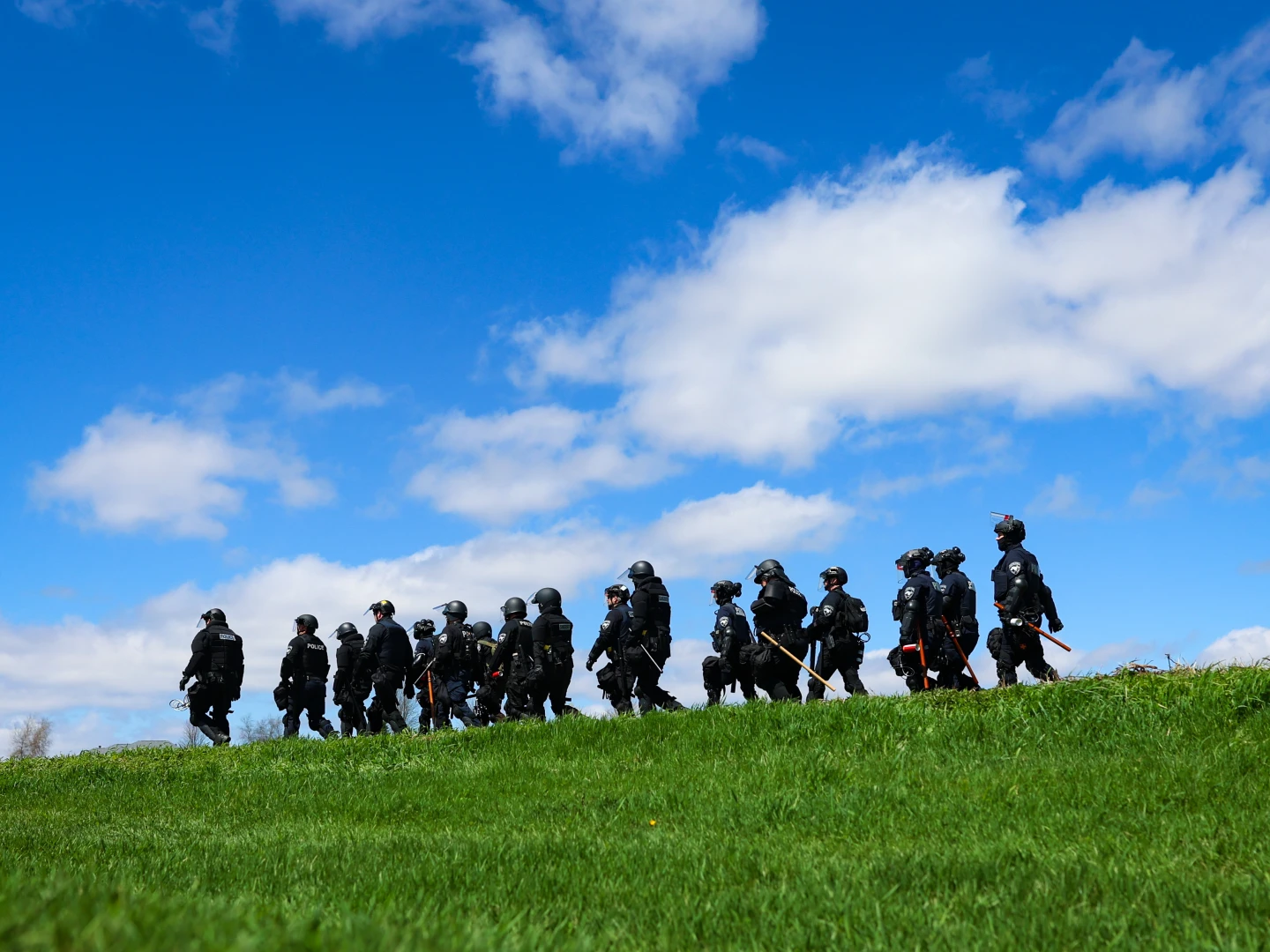
While focusing on serious criminals, the operation's approach has led to unwarranted detentions, including random check-ups on Latino and Black individuals in the city. Recent months have seen a staggering number of arrests throughout the city, with federal agents intensifying their presence.
Activists organized quickly, delivering meals to those reluctant to leave home and forming complex rapid response networks equipped with encrypted apps that track the movements of ICE. Protests often accompany immigration agents, leading to widespread demonstrations and escalating confrontations.
Within immigrant-heavy neighborhoods, fear looms large. Many families avoid essential services and businesses have reduced operations out of anxiety. Activists like a woman known as Sunshine patrol these areas to guard against federal movements, while thousands remain engaged in various forms of activism aimed at supporting their community amidst bustling fears.
These mobilizations illustrate not only the community spirit integral to Minneapolis but also highlight a growing conflict regarding responses to federal actions. As activists deliberate on effective strategies, the question remains: how can communities protect their residents while navigating the complex terrain of legal rights and safety?