In brief
The National Transportation Safety Board has disclosed that Boeing had warned plane owners about a faulty part that contributed to a UPS plane crash in Kentucky in 2025, which resulted in 15 fatalities. The report notes that despite four prior failures of a component securing the engine to the wing, Boeing deemed it did not pose a safety threat at the time. Investigators found that cracks in these components, which had not been identified in routine maintenance, led to the tragic accident, reminiscent of a similar incident involving the DC-10 aircraft.
Boeing warned plane owners in 2011 about a broken part that contributed to a UPS plane crash that killed 15 last year, but at that point, the plane manufacturer didn’t believe it threatened safety, the National Transportation Safety Board said Wednesday.
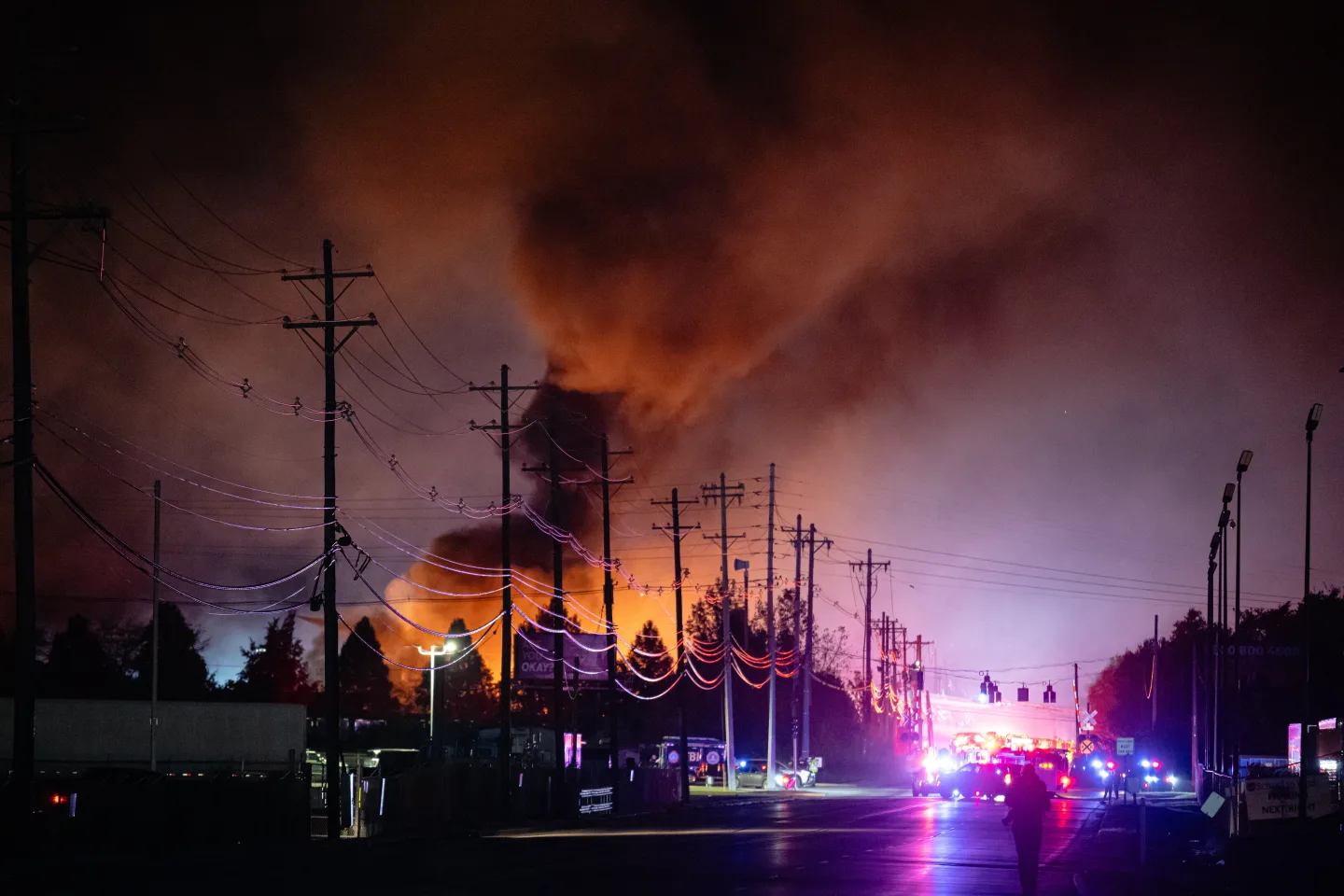
The UPS plane crashed in November 2025 shortly after taking off in Louisville, Kentucky, when the left engine flew off the wing as the plane rolled down the runway.
The NTSB said Boeing had documented in 2011 that there were four previous failures of a part that helps secure the MD-11’s engines to the wings on three different planes, yet the manufacturer “determined it would not result in a safety of flight condition.” These planes were actually built by McDonnell Douglas, which was later acquired by Boeing.
The NTSB previously reported that investigators found cracks in some of the parts that held the engine to the wing, highlighting concerns about the adequacy of the maintenance schedule.
It's still undetermined when the cracks developed, but this crash is reminiscent of a 1979 crash in Chicago involving an American Airlines DC-10.
Billions were lost after the crash, with emergency inspections ordered worldwide for this model.
The report also suggests that Boeing, UPS, and the FAA have limited statements while the NTSB investigation is ongoing, leading to concerns about the process's transparency and effectiveness in ensuring passenger safety.
Investigators are focused on the failure of this bearing, which resulted in a devastating fire and crash only moments after takeoff, sparking ongoing inquiries into mechanical failures and maintenance protocols in aging aircraft.