In brief
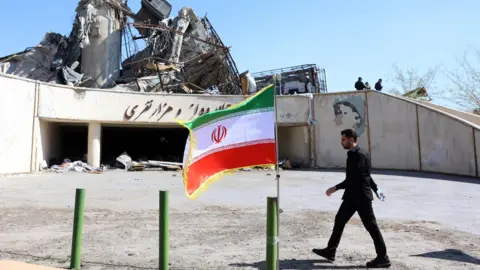
Following a provocative ultimatum from President Trump threatening to bomb Iran’s power plants and bridges unless the country opens the Strait of Hormuz, ordinary Iranians share their fears of deepening crisis and infrastructure strikes. Amid an internet blackout and government restrictions, citizens voice their concerns about potential shortages of essentials, while grappling with feelings of helplessness as tensions escalate between their nation and the US.
As ordinary Iranians brace for potential strikes targeting their nation's infrastructure, a cloud of anxiety looms large over the populace. This tension has been exacerbated by US President Donald Trump's recent threats to attack key facilities in Iran unless the country complies with specific demands related to the Strait of Hormuz.
In a striking social media post, Trump announced that the upcoming Tuesday would see significant strikes dubbed Power Plant Day, and Bridge Day, warning of unprecedented actions against Iran. This ultimatum, laden with incendiary rhetoric, has left Iranian citizens feeling trapped and desperate.
In defiance of the government's internet blackout that has lasted over five weeks, voices from Tehran and beyond express their fears and frustrations. One individual, identified as Kasra in his 20s, poignantly expressed the gnawing fear of potential shortages, saying, What can we do as ordinary people? We can't do anything... I keep thinking about a scenario where, in a month, I'm sitting with my family with no water, no electricity, nothing.
While the Iranian government dismisses Trump's threats as desperate bluster, citizens are mindful of the consequences of any military actions, especially in light of historical conflicts that have devastated their country. Residents like Mina reflect this sentiment, sharing that their families are stockpiling essentials in anticipation of possible shortages, saying, My mum is filling every bottle she can find in the house with water.
This fear is rooted in a reality where economic stability is already fragile, with many businesses reporting lost revenue and the cost of living escalating. Jamshid, a restaurant owner in Tehran, described his struggles, noting that business was not the same as before [the war], and expressing a bleak outlook on survival amidst high rents and economic uncertainty.
As the situation unfolds, many Iranians share their sentiments through discussions about the implications of international conflicts. A palpable divide exists among citizens; while some initially saw US-Israeli strikes as potential interference against their government, the prospect of targeting energy infrastructure has created concerns about crippling their already fragile economy.
The shared narrative of anxiety, determination, and a hopeful plea for peace echoes through Tehran’s streets as people grapple with their uncertain future amidst escalating geopolitical tensions.