In a notable escalation in the ongoing Middle East conflict, Amnesty International has become the first prominent human rights organization to accuse Israel of genocide in Gaza. This claim was met with immediate repudiation from Israeli authorities, with officials characterizing the report as “based on lies.”
The accusation, detailed in a comprehensive 296-page report released on December 5, 2024, states that Israel has engaged in acts amounting to genocide against Palestinians in Gaza. The International Court of Justice (ICJ) is concurrently examining similar allegations levied by South Africa, further complicating the international legal landscape surrounding the conflict.
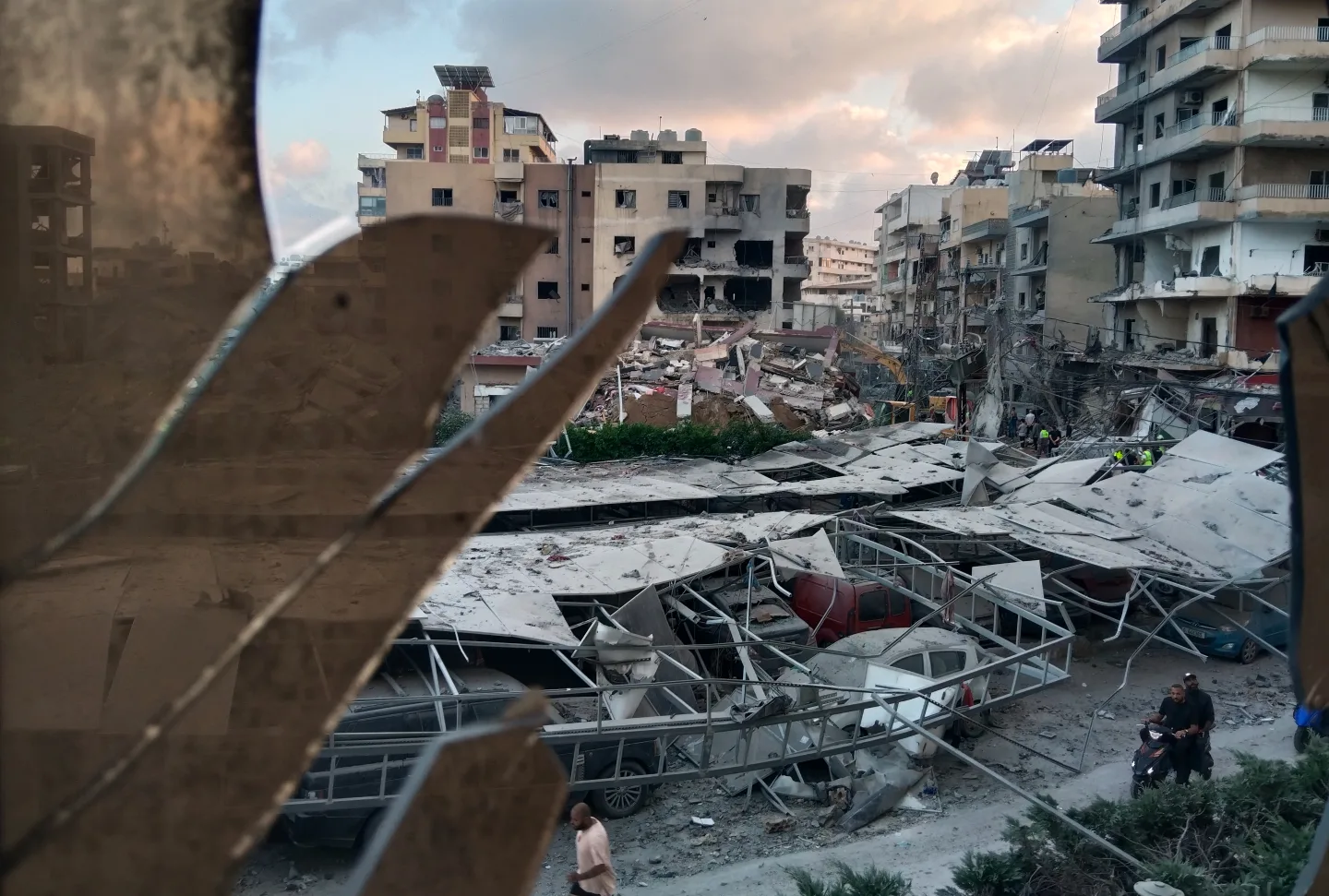
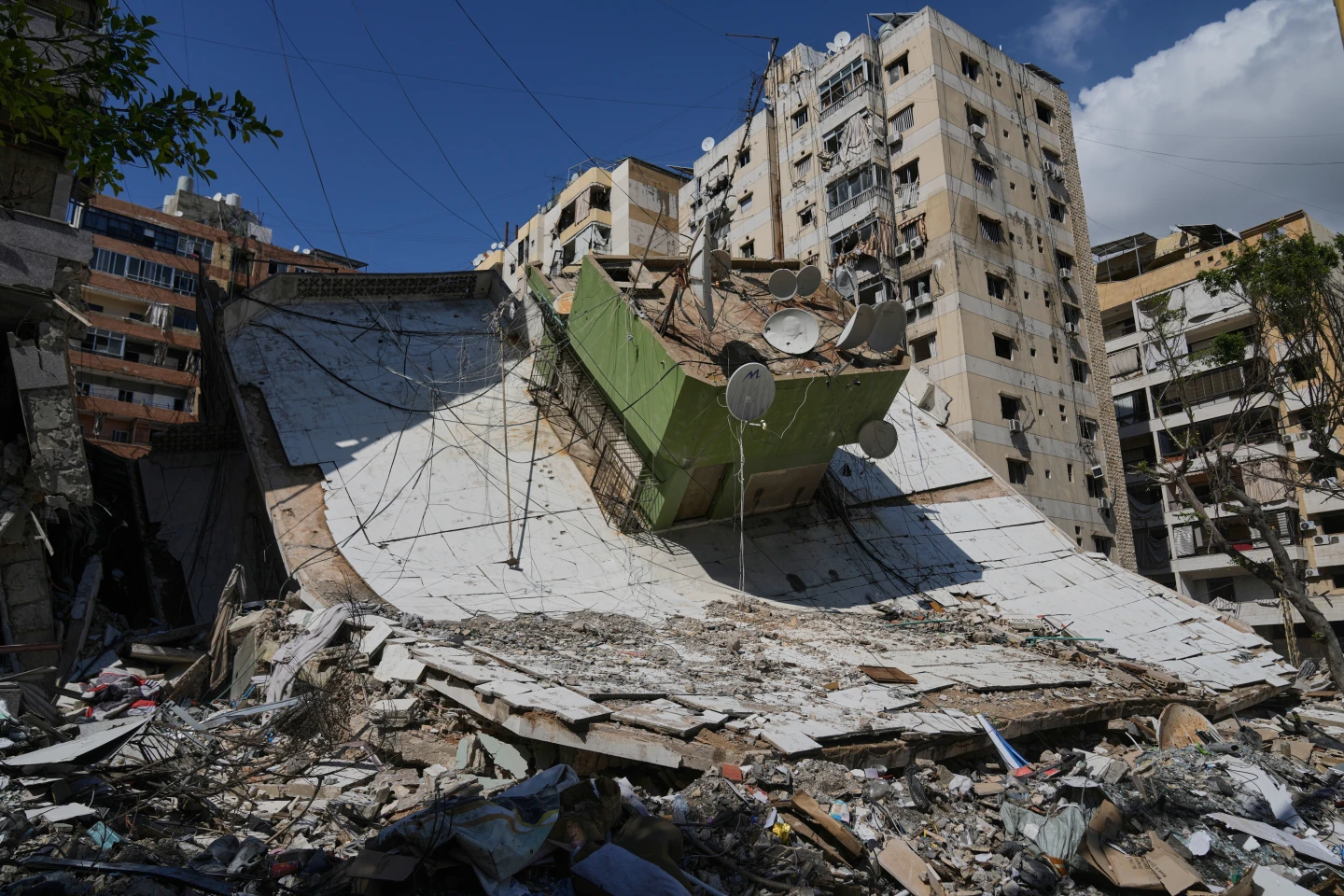
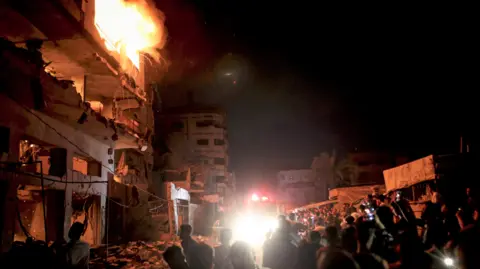
According to Amnesty's analysis of events occurring between October 2023 and July 2024, the organization cites several factors contributing to this grim conclusion, including what it terms “repeated direct attacks on civilians” and severe restrictions imposed on humanitarian aid delivery.
In response, Israel’s Foreign Ministry defended its military actions, asserting that Israel is engaged in a legitimate self-defense operation against ongoing attacks from militant groups, notably Hamas, which commenced with a deadly attack on October 7, 2023. In this incident, approximately 1,200 Israelis were killed, and around 240 were taken hostage.
Oren Marmorstein, a spokesman for the Israeli Foreign Ministry, emphasized that claims of genocide are discredited claims from an organization that fails to recognize Hamas's actions, which he argues warrant their own investigations into war crimes.
The context of the genocide accusation is particularly charged for Israel, a nation born post-Holocaust that has long been sensitive to accusations of genocide. While Amnesty’s report does not specifically address the October 7 attack, it notes that militants from Hamas and other groups have been implicated in categorizable war crimes including “deliberate mass killings” targeted at civilians.
Amnesty's assertion leans on the 1948 UN Convention, which delineates genocide to includes acts of violence meant to annihilate a national, ethnical, racial, or religious group. This definition has become a pivotal point of contention in the discourse surrounding this ongoing crisis.
While South Africa's legal arguments at the ICJ utilize statements made by Israeli officials to illustrate alleged genocidal intent, Israel defends its actions through its military command structures, contesting that political rhetoric should not overshadow defense strategies operated under lawful military prerogatives.
The accusations by Amnesty raise critical questions about the humanitarian dimensions of the conflict, with potential implications for international law and the broader geopolitical landscape in the region.
The accusation, detailed in a comprehensive 296-page report released on December 5, 2024, states that Israel has engaged in acts amounting to genocide against Palestinians in Gaza. The International Court of Justice (ICJ) is concurrently examining similar allegations levied by South Africa, further complicating the international legal landscape surrounding the conflict.
According to Amnesty's analysis of events occurring between October 2023 and July 2024, the organization cites several factors contributing to this grim conclusion, including what it terms “repeated direct attacks on civilians” and severe restrictions imposed on humanitarian aid delivery.
In response, Israel’s Foreign Ministry defended its military actions, asserting that Israel is engaged in a legitimate self-defense operation against ongoing attacks from militant groups, notably Hamas, which commenced with a deadly attack on October 7, 2023. In this incident, approximately 1,200 Israelis were killed, and around 240 were taken hostage.
Oren Marmorstein, a spokesman for the Israeli Foreign Ministry, emphasized that claims of genocide are discredited claims from an organization that fails to recognize Hamas's actions, which he argues warrant their own investigations into war crimes.
The context of the genocide accusation is particularly charged for Israel, a nation born post-Holocaust that has long been sensitive to accusations of genocide. While Amnesty’s report does not specifically address the October 7 attack, it notes that militants from Hamas and other groups have been implicated in categorizable war crimes including “deliberate mass killings” targeted at civilians.
Amnesty's assertion leans on the 1948 UN Convention, which delineates genocide to includes acts of violence meant to annihilate a national, ethnical, racial, or religious group. This definition has become a pivotal point of contention in the discourse surrounding this ongoing crisis.
While South Africa's legal arguments at the ICJ utilize statements made by Israeli officials to illustrate alleged genocidal intent, Israel defends its actions through its military command structures, contesting that political rhetoric should not overshadow defense strategies operated under lawful military prerogatives.
The accusations by Amnesty raise critical questions about the humanitarian dimensions of the conflict, with potential implications for international law and the broader geopolitical landscape in the region.