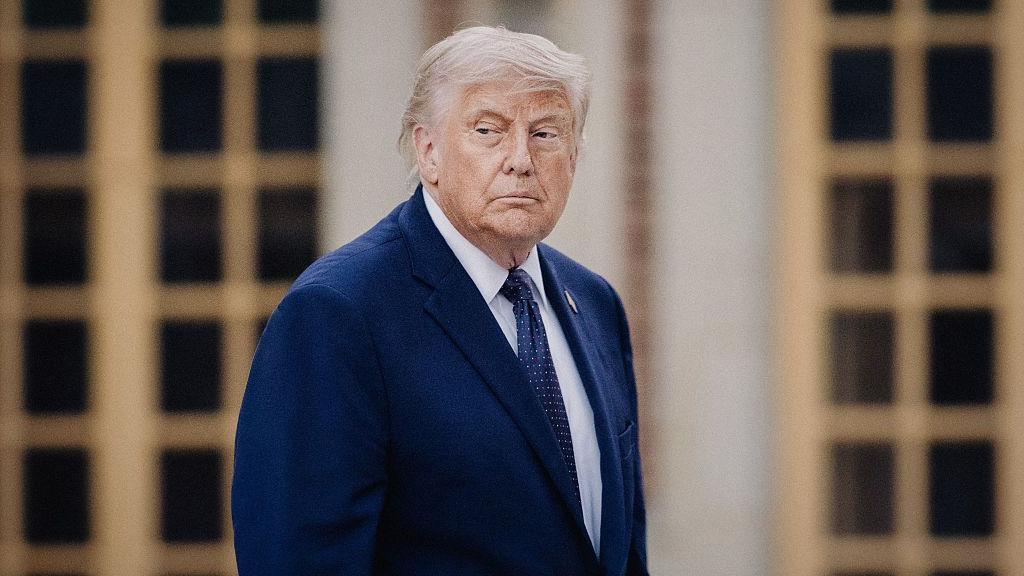
US President Donald Trump has indicated he would accept a 20-year suspension of Iran's nuclear program, which seems to signify a shift away from his prior demand for a complete cessation. He emphasized that this suspension must be genuine, stating it has to be a real 20 years.
Previously, Trump had insisted that Iran must permanently cease enriching uranium, which is critical for nuclear weapon creation, and sought assurances that Iran would never obtain nuclear weapons. However, he expressed growing impatience with Iran's lack of cooperation, highlighting the stalled diplomatic negotiations.
As airstrikes by Israeli and US forces on Iran escalated, a fragile ceasefire that had been in place for discussions remains tenuous. Tensions further heightened as Iran’s proposal to end hostilities included lifting the US naval blockade and guarantees against further attacks.
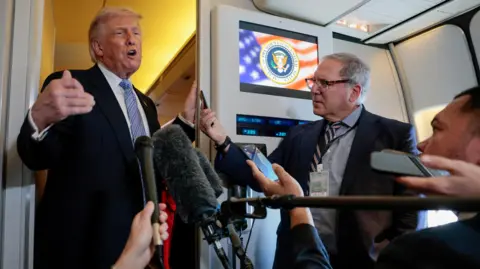
On returning from talks in Beijing with Chinese President Xi Jinping, Trump reiterated the necessity for Iran to refrain from nuclear armament and to reopen vital shipping routes, such as the Strait of Hormuz, which impacts global oil prices. When questioned about Iran's nuclear suspension being insufficient, Trump maintained that a genuine 20-year halt is acceptable but did not provide specifics on enforcement guarantees.
The possibility of this 20-year suspension appears to be a strategic pivot, considering Trump's earlier withdrawal from the 2015 nuclear deal citing concerns over sunset clauses that risked allowing Iran to eventually resume nuclear activities.
As of now, Israeli Prime Minister Benjamin Netanyahu has yet to respond to Trump's latest assertions, but he has previously advocated for the complete removal of Iran's enriched uranium stockpile as a precondition to consider peace.