In brief
"No Other Land" explores the harrowing challenges faced by a Palestinian community through personal narratives and the lens of friendship, as Oscar-nominated filmmakers focus on the contentious landscape of Masafer Yatta.
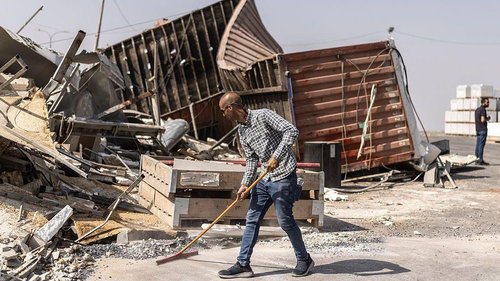
In a compelling reflection of the ongoing struggles in the West Bank, the documentary "No Other Land" has garnered significant attention, receiving nominations for both an Oscar and a Bafta for Best Documentary Feature. Directed by Basel Adra, along with Israeli journalist Yuval Abraham, the film intertwines personal stories with broader societal issues, particularly the fight over Masafer Yatta, a community comprising around 20 villages.The film delves into the friendship that blossomed between Adra and Abraham against a backdrop of conflict and systemic oppression, documenting the destruction wrought by Israeli forces on their community’s schools and homes. Adra and his friends have spent years capturing these troubling events, hoping their footage might inspire change. “This film has succeeded in raising awareness, but little action has come from those with the power to change the situation,” said Abraham. As the film reveals, the aftermath of the Israeli military’s actions entails more than structural ruins; it comprises shattered lives and paralyzed hopes. The harsh realities presented in "No Other Land" are underscored by recent escalations in violence in the region, particularly following Hamas attacks and the subsequent military campaigns which have claimed tens of thousands of lives across Gaza. Reports from the UN indicate a troubling rise in settler-related violence, further complicating an already volatile situation.The documentary gives voice to the power dynamics inherent in their narrative, as Adra, despite being educated, finds limited employment opportunities due to overarching restrictions stemming from his identity. This struggle captures the essence of the inequality that permeates their friendship, challenging viewers to recognize the personal impact of political decisions.While the filmmakers have achieved international recognition, they face hurdles in distributing their work in the US market. Despite the film's critical acclaim, they remain independent, illustrating the difficulties that often accompany politically charged storytelling in contemporary cinema. Adding to the charged atmosphere, earlier this year, Adra recorded a shocking episode where settlers shot at his relative. The scant accountability for such incidents promotes a climate of fear among local populations, amplifying an ongoing narrative of trauma and displacement. As tensions escalate, both filmmakers are adamant about documenting their reality. “We are a small drop, but the cumulative effect of each drop creates a clear path for change,” Adra sums it up poignantly.In this landscape of adversity, "No Other Land" aims not just to document but to evoke empathy and compassion for those who navigate this complex reality every day, shining a light on the need for political discourse that fosters true freedom and security for both Palestinians and Israelis anew.