In brief
Al‑Bustan in East Jerusalem has seen a startling rise in demolitions; 59 homes gone since late 2023 amid a broader push for a Jewish‑dominated city. Palestinian residents recount losing decades of family life, while the Israeli government pushes a biblical park plan. International bodies warn the moves violate legal norms, and many Palestinians face eviction and displacement without adequate alternatives.
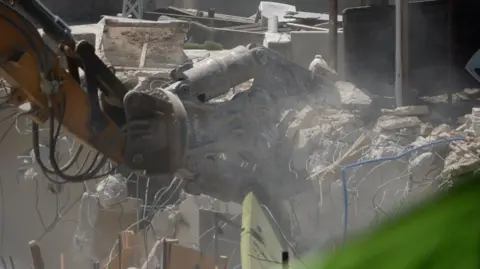
A deafening roar of demolition echoes beneath Jerusalem’s walled Old City; an Israeli excavator rips into a Palestinian home, while from a nearby hill I watch the rubble resettle the streets below.
In the al‑Bustan quarter of the Silwan neighbourhood, 59 properties have already been destroyed since late 2023—an alarming number amid growing tensions elsewhere in the region.
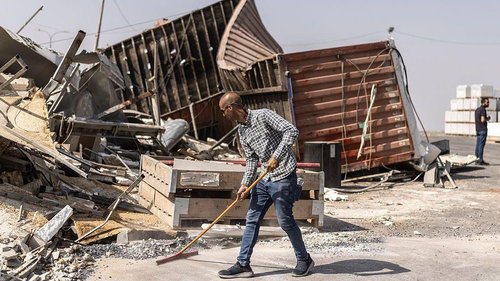
"There is no future. They destroyed the future and everything else," says 58‑year‑old Fayez Awad, still living in the sole remaining floor of his once‑full home.
He adds, "We spent our whole lives building this house. This is all we achieved; they bring us back to zero again, for me and my children."
Jerusalem’s oppressive wall of demolitions is rooted in Israel’s 1967 capture of the East and its 1980 annexation—moves widely unrecognised internationally. The city’s municipal plans aim to transform al‑Bustan into a biblical King's Garden run by a Jewish settler organisation.
Local residents, who normally obtain construction permits only 7% of the time, have tried to negotiate alternative zoning with the municipality, only to see their proposals rejected.
Half the neighborhood’s homes have been demolished. Many residents now pre‑empt the court’s harsher costs by tearing their own houses to escape fines that can reach tens of thousands of dollars.
"We’re being warned that in the coming months they'll destroy the rest of the houses," says activist Fakhri Abu Diab, his caravan now threatened with eviction after his previous home was demolished.
Israel’s expansion strategy targets properties owner‑by‑owner—using laws that seize lands held by Jews pre‑1948 to bring settlers in, and labeling long‑time Palestinian occupants as illegal squatters.
The Albustan area’s proximity to the al‑Aqsa compound—a vital religious site for Muslims and Jews—makes it a hotbed of both legal and moral contention. Yet the city’s Jewish narrative continues to be amplified by new projects, including a large ultra‑Orthodox yeshiva at Sheikh Jarrah’s entrance.
The European Union has recently labeled the situation “dire”, strongly opposing Israel’s settlement policy. Meanwhile, Palestinian voices call for international law and a shared city that respects both sides’ rights.
Hundreds of Palestinians face eviction filings in Israeli courts, often pro‑posed by settlers, with little available replacement housing in East Jerusalem and a growing sense of abandonment.
One of the controversies centres on the historic yeshiva that once served the area. A resident community is now forced to displace themselves from a building they helped protect during the 1929 riots, despite the yeshiva’s claim for more space.
The situation illustrates the broader struggle: many Palestinians, from 97‑year‑old Yusra Qweider to families in old tracts, now live with the constant threat that their homes will be bulldozed, and their futures shattered beneath stone and steel.